

Kritik der reinen Vernunft / Zweite hin und wieder verbesserte Auflage (1787)
Explore more books like this:
About This Book
A systematic inquiry into the sources, scope, and limits of human knowledge, arguing that cognition arises from the interaction of sensible intuitions and a priori conceptual forms. The text distinguishes analytic and synthetic judgments and defends the possibility of synthetic a priori knowledge; it analyzes space and time as forms of sensibility, formulates a table of categories with their schemata, and offers a transcendental deduction and principles governing experience. It then diagnoses dialectical illusions of reason—paralogisms, antinomies, and speculative proofs of a highest being—and urges that speculative reason be confined by critical limits and a regulative use of its ideas.
About the Author

More Books by This Author
6 picks
 Beantwortung der Frage: Was ist Aufklärung?
by Immanuel Kant
Beantwortung der Frage: Was ist Aufklärung?
by Immanuel Kant
 Beobachtungen über das Gefühl des Schönen und Erhabenen
by Immanuel Kant
Beobachtungen über das Gefühl des Schönen und Erhabenen
by Immanuel Kant
 Die Religion innerhalb der Grenzen der bloßen Vernunft / Text der Ausgabe 1793, mit Beifügung der Abweichungen der Ausgabe 1794
by Immanuel Kant
Die Religion innerhalb der Grenzen der bloßen Vernunft / Text der Ausgabe 1793, mit Beifügung der Abweichungen der Ausgabe 1794
by Immanuel Kant
 Fundamental Principles of the Metaphysic of Morals
by Immanuel Kant
Fundamental Principles of the Metaphysic of Morals
by Immanuel Kant
 Ikuiseen rauhaan: Valtio-oikeudellinen tutkielma
by Immanuel Kant
Ikuiseen rauhaan: Valtio-oikeudellinen tutkielma
by Immanuel Kant
 Index of the Project Gutenberg Works of Immanuel Kant
by Immanuel Kant
Index of the Project Gutenberg Works of Immanuel Kant
by Immanuel Kant
You May Also Like
6 picks
 ... und hätte der Liebe nicht: Weihnächtliche Geschichten
by Anna Schieber
... und hätte der Liebe nicht: Weihnächtliche Geschichten
by Anna Schieber
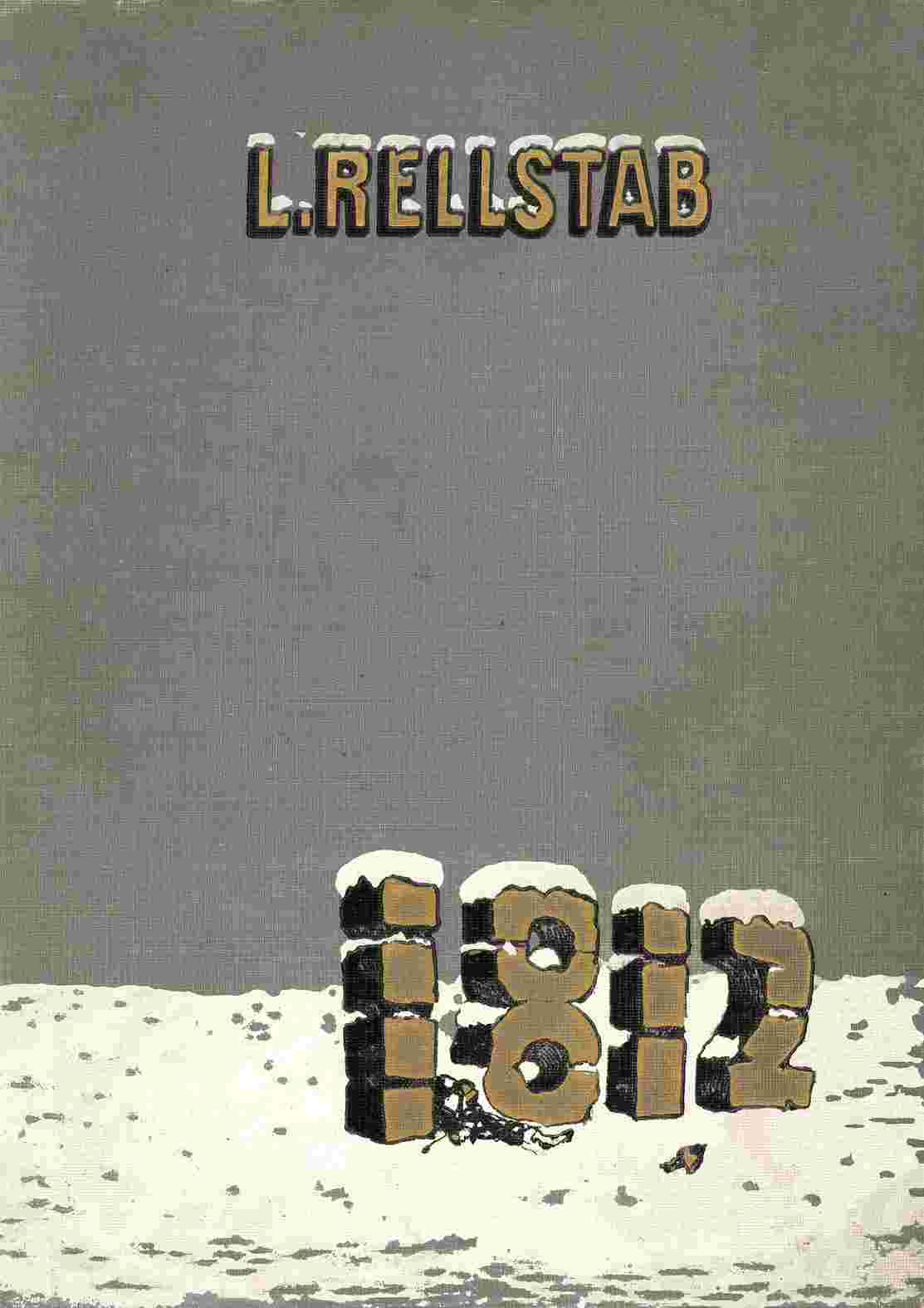 1812: Historische roman
by Ludwig Rellstab
1812: Historische roman
by Ludwig Rellstab
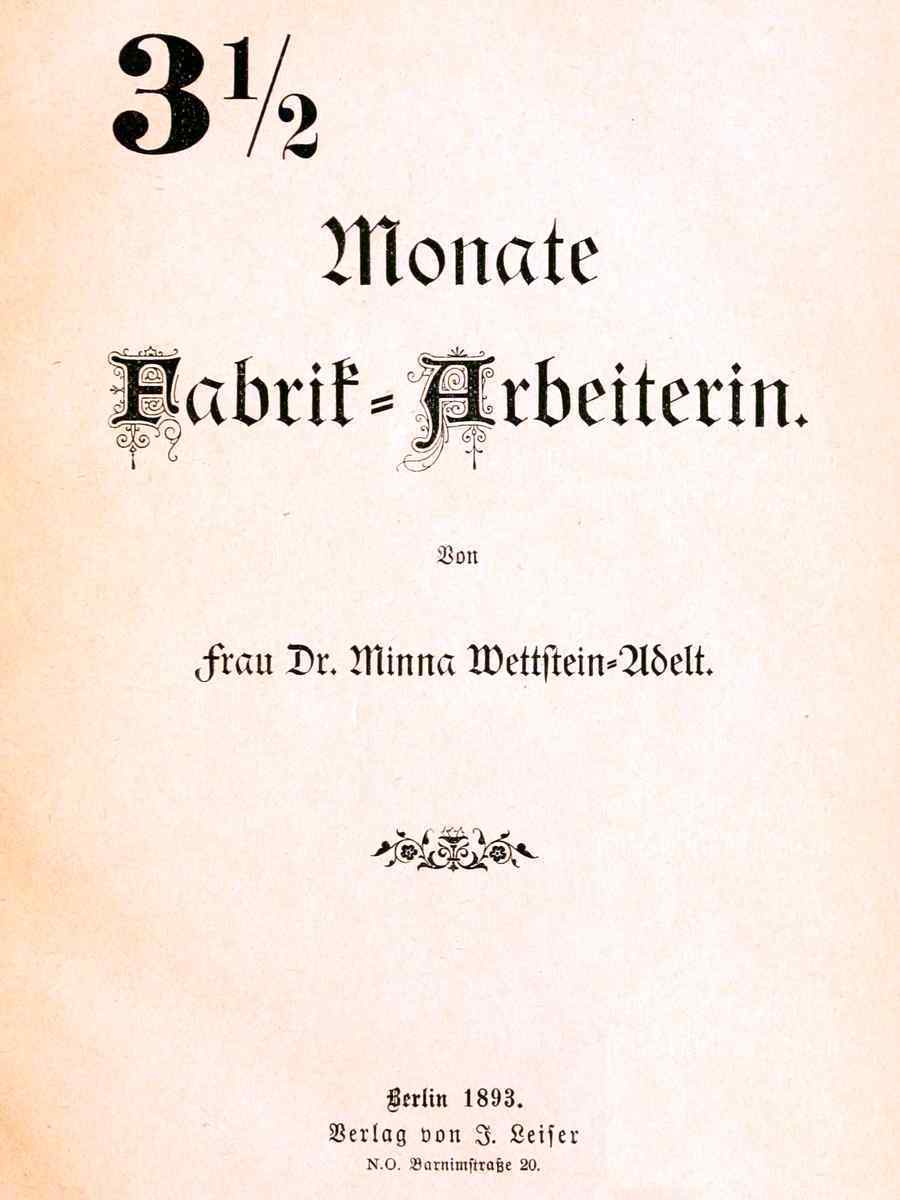 3½ Monate Fabrik-Arbeiterin
by Minna Wettstein-Adelt
3½ Monate Fabrik-Arbeiterin
by Minna Wettstein-Adelt
![[Einleitung zu:] Thomas Carlyle, Leben Schillers cover](/books/content/18101/OEBPS/213664418189418921_GermanCover.jpg) [Einleitung zu:] Thomas Carlyle, Leben Schillers
by Thomas Carlyle
[Einleitung zu:] Thomas Carlyle, Leben Schillers
by Thomas Carlyle
 A German Pompadour / Being the Extraordinary History of Wilhelmine van Grävenitz, Landhofmeisterin of Wirtemberg
by Hon. Marie Hay
A German Pompadour / Being the Extraordinary History of Wilhelmine van Grävenitz, Landhofmeisterin of Wirtemberg
by Hon. Marie Hay
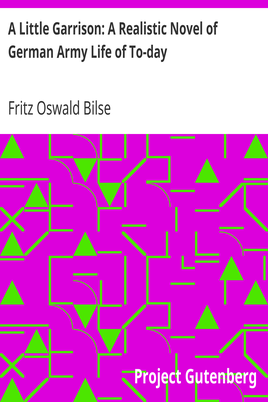 A Little Garrison: A Realistic Novel of German Army Life of To-day
by Fritz Oswald Bilse
A Little Garrison: A Realistic Novel of German Army Life of To-day
by Fritz Oswald Bilse