
| I. | El alma castellana. |
| II. | La voluntad. |
| III. | Antonio Azorín. |
| IV. | Las confesiones de un pequeño filósofo. (Aumentada). |
| V. | España. |
| VI. | Los pueblos. |
| VII. | Fantasías y devaneos. |
| VIII. | El político. |
| IX. | La ruta de Don Quijote. |
| X. | Lecturas Españolas. |
| XI. | Los valores literarios. |
| XII. | Clásicos y modernos. |
| XIII. | Castilla. |
| XIV. | Un discurso de La Cierva. |
| XVI. | Al margen de los clásicos. |
| XVI. | El licenciado Vidriera. |
| XVII. | Un pueblecito. |
| XVIII. | Rivas y Larra. |
| XIX. | El paisaje de España visto por los españoles. |
| XX. | Entre España y Francia. |
| XXI. | Parlamentarismo español. |
| XXII. | París, bombardeado y Madrid sentimental. |
| XXIII. | Laberinto. |
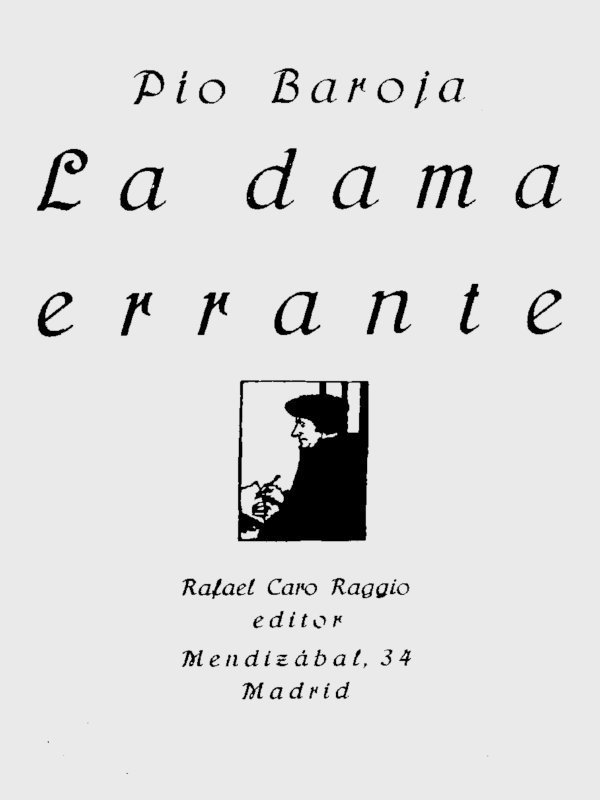
La dama errante / La raza, Tomo I
About This Book
The narrative traces a woman who abandons an expected domestic existence and undertakes a restless journey through varied social milieus, encountering relationships, moral dilemmas, and episodes that expose hypocrisies and tensions in her surroundings. The prose blends episodic realism with psychological observation, alternating outward action and intimate reflection while highlighting themes of individual freedom, social constraint, ethical questioning, and cultural inheritance. Through anecdotal episodes and critical sketches the work portrays characters marked by passion, irony, or resignation, offering a skeptical, unsentimental viewpoint on tradition, ambition, and the search for personal meaning.