

About This Book
The study analyzes suicide as a social phenomenon, arguing that variations in suicide rates reflect collective conditions rather than solely individual pathology. It proposes a methodology that treats social facts as things and uses statistical comparison and classification to test hypotheses. It distinguishes types of suicide linked to degrees of social integration and regulation—egoistic, altruistic, anomic, and fatalistic—and examines how institutions such as family, religion, and economic change influence those dynamics. Non-social explanations like psychological or environmental factors are considered but found insufficient to account for broad patterns. The work concludes with methodological recommendations for focused, empirically grounded sociological inquiry.
About the Author

More Books by This Author


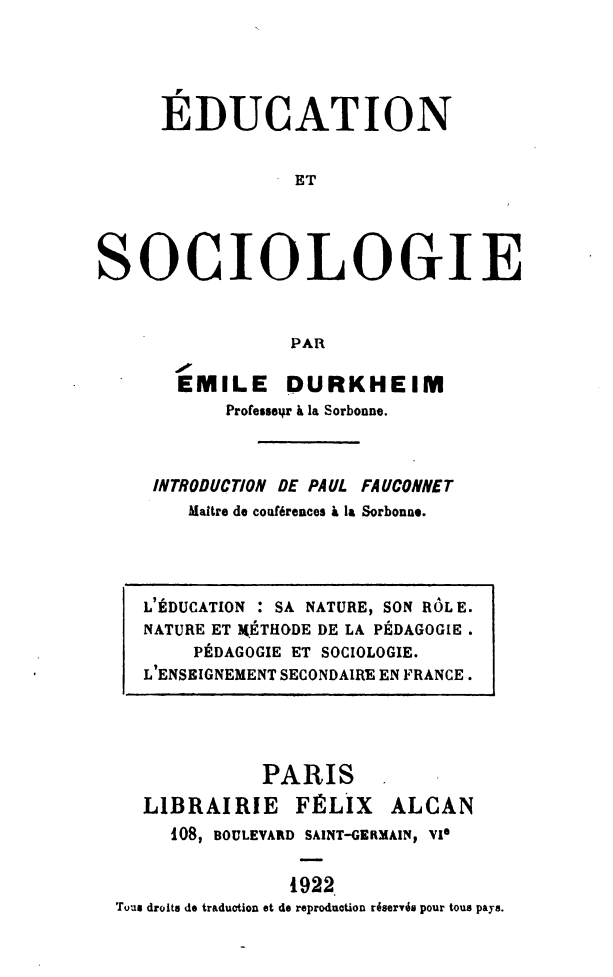
You May Also Like
 "About My Father's Business": Work Amidst the Sick, the Sad, and the Sorrowing
by Thomas Archer
"About My Father's Business": Work Amidst the Sick, the Sad, and the Sorrowing
by Thomas Archer
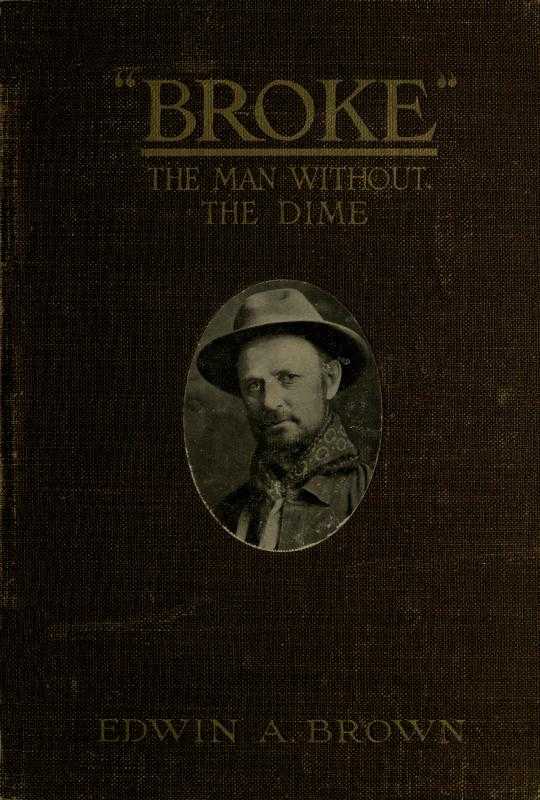 "Broke," The Man Without the Dime
by Edwin A. Brown
"Broke," The Man Without the Dime
by Edwin A. Brown
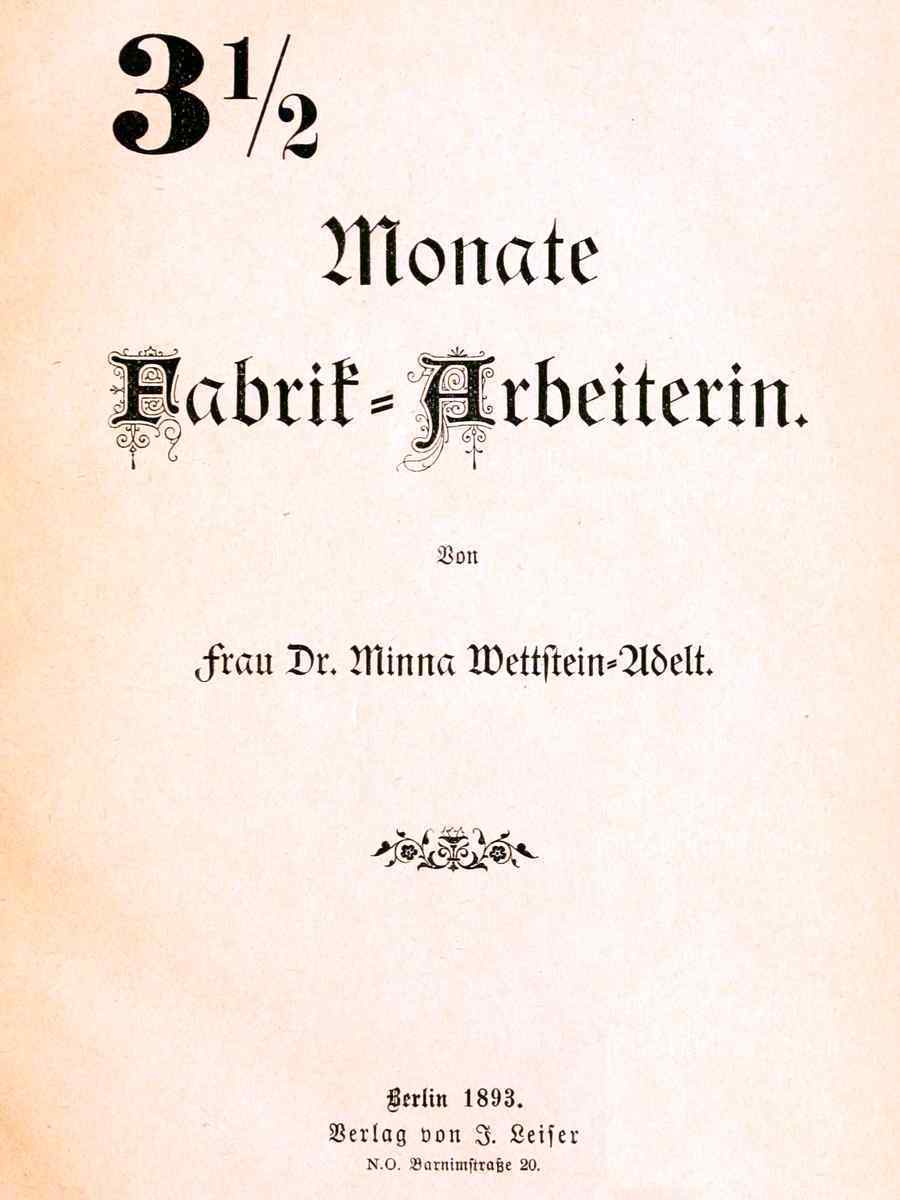 3½ Monate Fabrik-Arbeiterin
by Minna Wettstein-Adelt
3½ Monate Fabrik-Arbeiterin
by Minna Wettstein-Adelt
 64 päivää suomalaisen siirtokansan keskuudessa Amerikassa
by Lauri Perälä
64 päivää suomalaisen siirtokansan keskuudessa Amerikassa
by Lauri Perälä
 A babonák könyve
by János Varga
A babonák könyve
by János Varga
 A Comparative Study of the Negro Problem / The American Negro Academy. Occasional Papers No. 4
by Charles C. Cook
A Comparative Study of the Negro Problem / The American Negro Academy. Occasional Papers No. 4
by Charles C. Cook