
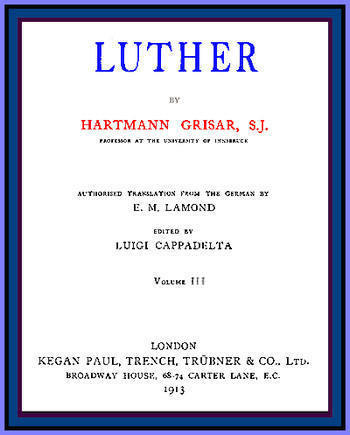
About This Book
A detailed study of how the reform movement moved from calls for individual religious freedom to the construction of a defined church with binding doctrines and authorities, prompted by fears of social disorder and radical sects. The author traces the abandonment of congregational experiments in favor of a popular, then territorial, state church, and examines secularisation of church property and matrimonial jurisdiction. The account also follows the leader's shifting stance on armed resistance and religious war, his efforts to restrain radicalism, and the political alliances and defensive leagues that shaped the new ecclesiastical order.