
About This Book
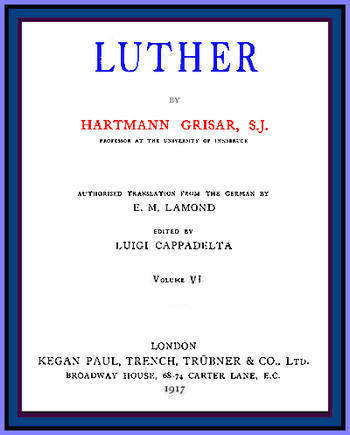
The volume analyzes the reformer's social and educational thought, urging establishment of elementary and higher schools, classical and biblical study, and civic responsibility for teaching; it examines efforts to organize poor relief and the effects of church property confiscation and theological doctrines on charity. It probes attitudes toward secular callings, commerce, and economic practices. A major section explores physical and psychic ailments, temptations, visions, claims of special revelation, and contemporaries' and later historians' psychological diagnoses. The author critiques later autobiographical embellishments about earlier piety and concludes with a survey of writings, final illness, and death.