
Marriage with a deceased wife's sister / Leviticus XVIII. 18, considered in connection with the Law of the Levirate
Explore more books like this:
About This Book
A clergyman addresses the Lord High Chancellor with a legal and scriptural argument opposing proposals to allow marriage with a deceased wife’s sister. He examines Leviticus 18:18 and related levirate provisions, contending that the disputed verse, properly understood, provides a narrow, context-specific allowance within the Jewish economy rather than a general sanction for such unions. The pamphlet analyzes the chapter’s structure, the scope of prohibited degrees, distinctions between affinity and blood relationship, and cites contemporary commentators to argue that the law’s general prohibitions remain consistent and should inform civil legislation.
About the Author

More Books by This Author
4 picks
 A Letter to the Rev. William Maskell, A.M. / How far the Judicial Committee of the Privy Council commits the Church of England by its decision, even allowing it to have jurisdiction in points of doctrine
by Mayow Wynell Mayow
A Letter to the Rev. William Maskell, A.M. / How far the Judicial Committee of the Privy Council commits the Church of England by its decision, even allowing it to have jurisdiction in points of doctrine
by Mayow Wynell Mayow
 A Second Letter to the Rev. William Maskell, M.A. / Some thoughts on the position of the Church of England, as to her dogmatic teaching
by Mayow Wynell Mayow
A Second Letter to the Rev. William Maskell, M.A. / Some thoughts on the position of the Church of England, as to her dogmatic teaching
by Mayow Wynell Mayow
 Eight Sermons on the Priesthood, Altar, and Sacrifice
by Mayow Wynell Mayow
Eight Sermons on the Priesthood, Altar, and Sacrifice
by Mayow Wynell Mayow
 Remarks upon the First Report of the Royal Commission on Ritual in connection with the integrity of the Book of Common Prayer / A lecture delivered at the Annual Meeting of the Brighton Branch of the English Church Union, Nov. 27, 1867
by Mayow Wynell Mayow
Remarks upon the First Report of the Royal Commission on Ritual in connection with the integrity of the Book of Common Prayer / A lecture delivered at the Annual Meeting of the Brighton Branch of the English Church Union, Nov. 27, 1867
by Mayow Wynell Mayow
You May Also Like
6 picks
 "... és a felelősségtől való rettegés"
by Émile Faguet
"... és a felelősségtől való rettegés"
by Émile Faguet
 "The System," As Uncovered by the San Francisco Graft Prosecution
by Franklin Hichborn
"The System," As Uncovered by the San Francisco Graft Prosecution
by Franklin Hichborn
 ... Et l'horreur des responsabilités (suite au Culte de l'incompétence)
by Émile Faguet
... Et l'horreur des responsabilités (suite au Culte de l'incompétence)
by Émile Faguet
 A Book About Lawyers
by John Cordy Jeaffreson
A Book About Lawyers
by John Cordy Jeaffreson
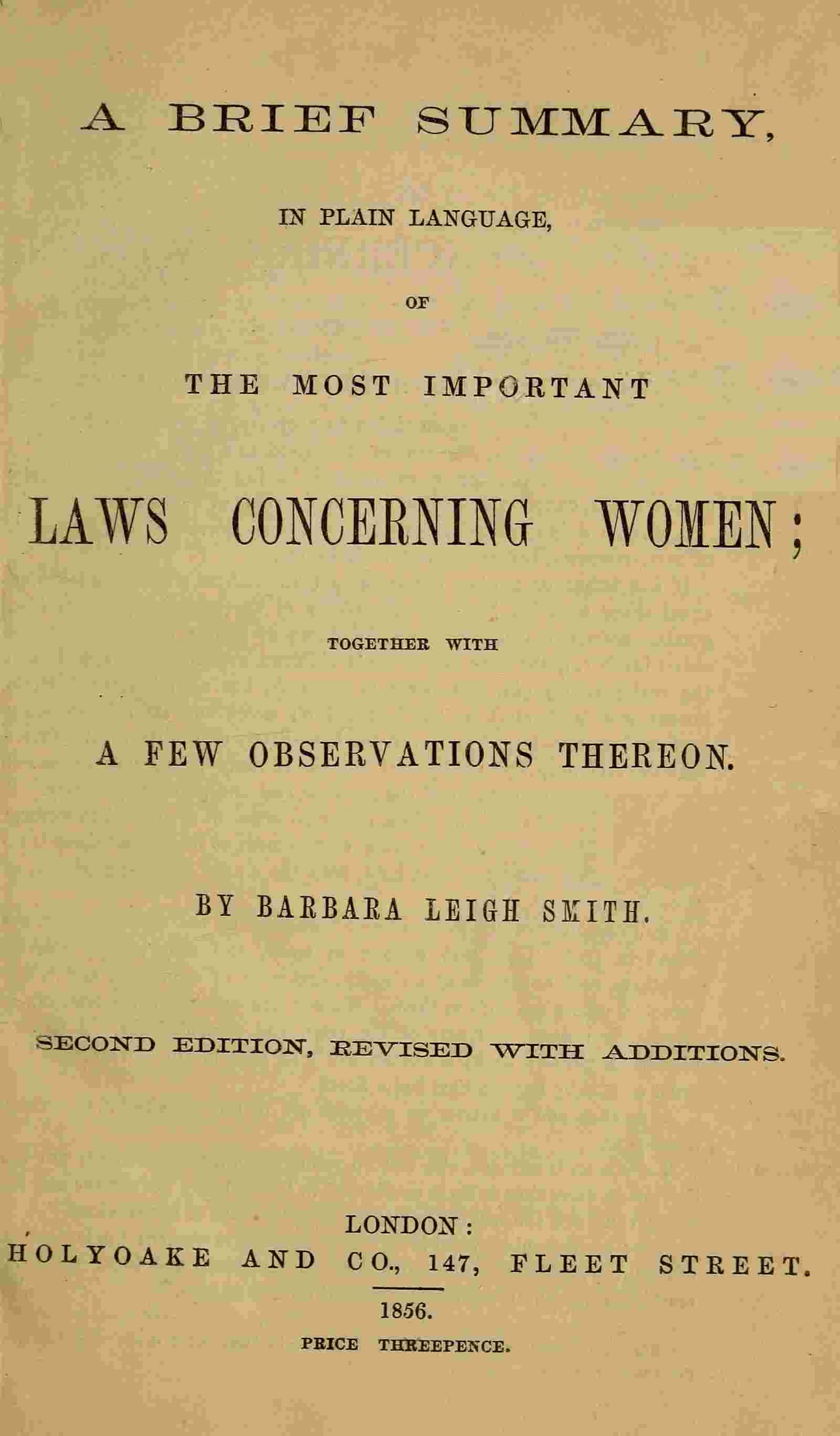 A brief summary in plain language of the most important laws concerning women
by Barbara Leigh Smith Bodichon
A brief summary in plain language of the most important laws concerning women
by Barbara Leigh Smith Bodichon
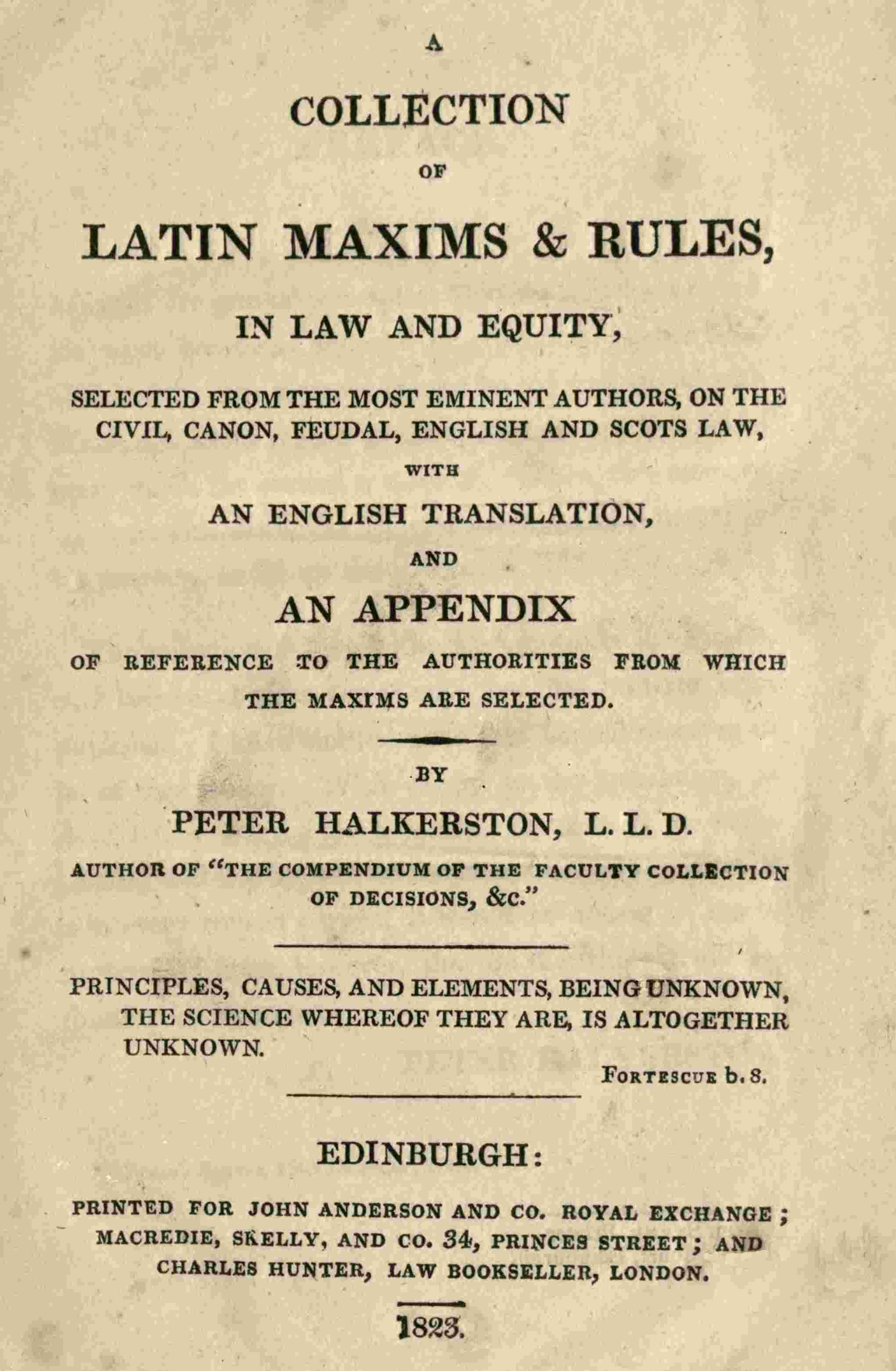 A collection of Latin maxims & rules, in law and equity
by Peter Halkerston
A collection of Latin maxims & rules, in law and equity
by Peter Halkerston