
CHAPTER XIX
A SLAVE OF THE LAMP
The success of Our Village was really astonishing—it had entirely caught the public fancy. As proof of this we find in a letter to Sir William Elford, dated February 19, 1825, the statement that “Columbines and children have been named after Mayflower [one of her favourite dogs]; stage coachmen and postboys point out the localities; schoolboys deny the possibility of any woman’s having written the cricket-match without schoolboy help; and such men as Lord Stowell send to me for a key.” In addition to all this proof of popularity it is fairly evident that Campbell, who had originally thought the sketches not dignified enough for the pages of his New Monthly, must have relented somewhat, for in the same year she sent him two articles to the care of Mr. Colburn. This was probably due to the representations of William Harness, to whom, it will be remembered, Miss Mitford addressed herself on the matter.
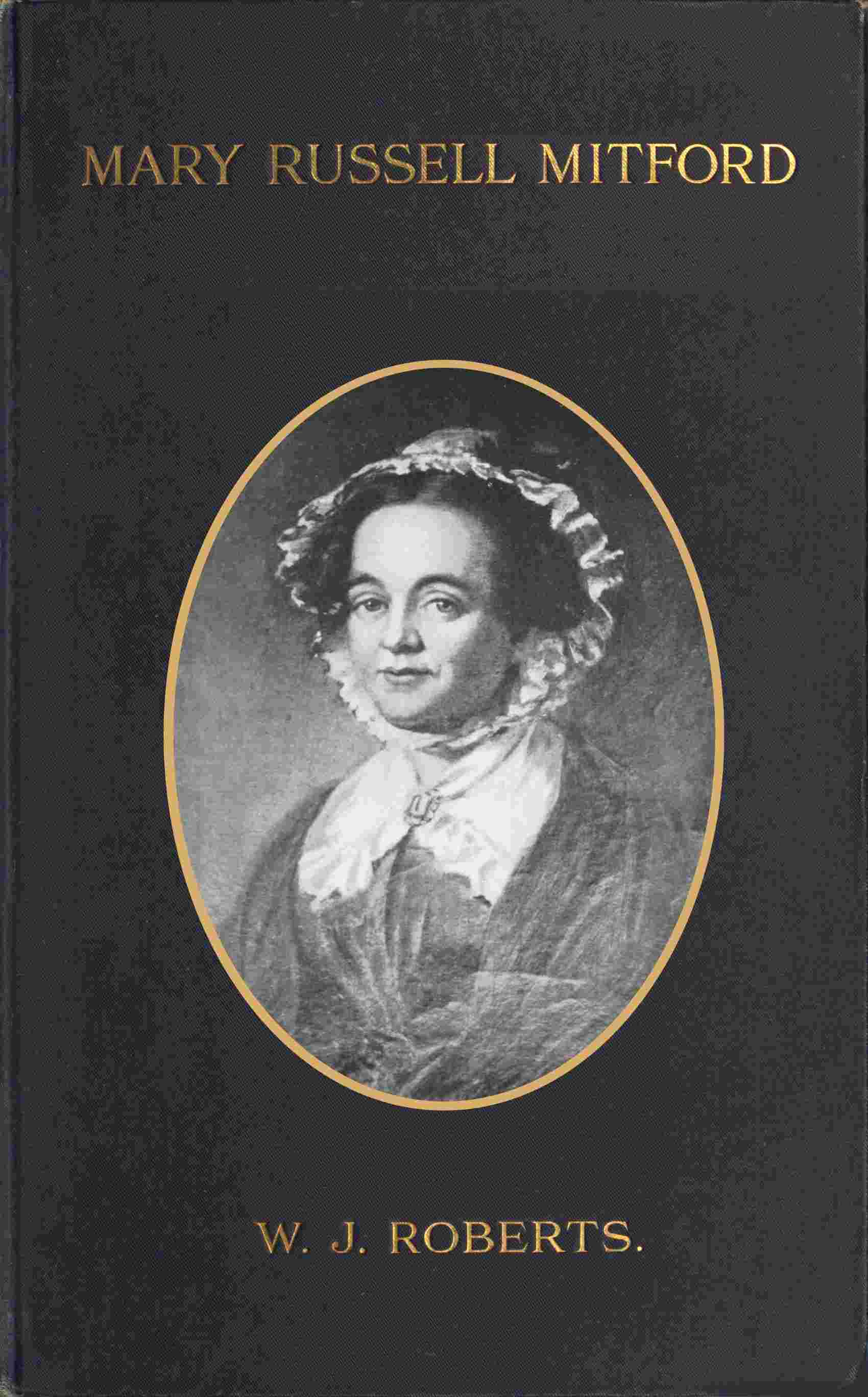
Then, not to be outdone in loyal devotion to his friend, the woman of the hour, Haydon painted her portrait and exhibited it among portraits of other celebrities of the year. It was not a flattering likeness—a reproduction of it is given in these pages—and its reception, although not particularly hostile, was not altogether friendly. Haydon’s enemies—and he had many—sniggered and passed on; Miss Mitford’s friends nearly all commiserated her. “Now to the portrait,” says she in a letter to her friend, Mrs. S. C. Hall. “One friend of mine used to compare it to a cook-maid of sixty, who had washed her dishes and sat down to mend her stockings; another to Sir John Falstaff in the disguise of the old woman of Brentford; and a third to Old Bannister, in Moll Flagon. I have not myself seen it since it was finished, but there must have been something very formidable about it to put such comparisons into people’s heads.” With her usual good-nature she would not suffer Haydon or his work to be maligned, and so was kept well occupied in defending him.