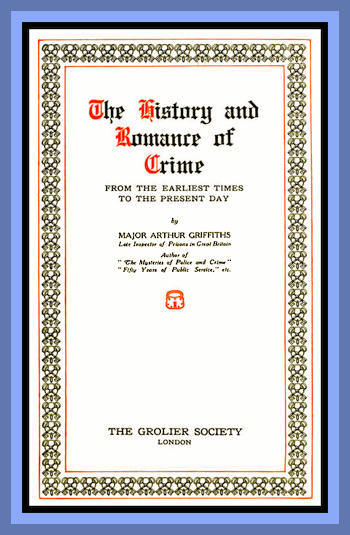
A detailed historical study of a prominent urban penitentiary examines its conception, construction, and administration, tracing debates between transportation and home confinement and the influence of reformers who advocated convict labor, distinctive architectural plans, and surveillance-based discipline. It describes planning and building processes, committee oversight by leading public figures, experiments in on-site prisoner labor, competing proposals such as a circular inspection-house, and operational crises including epidemic outbreaks and changes in management. The account assesses the institution's reformatory aims, implemented practices, and the practical difficulties encountered while translating penal theory into daily governance.
 WeRead
Powered by ReaderPub
WeRead
Powered by ReaderPub