
WeRead Powered by ReaderPub
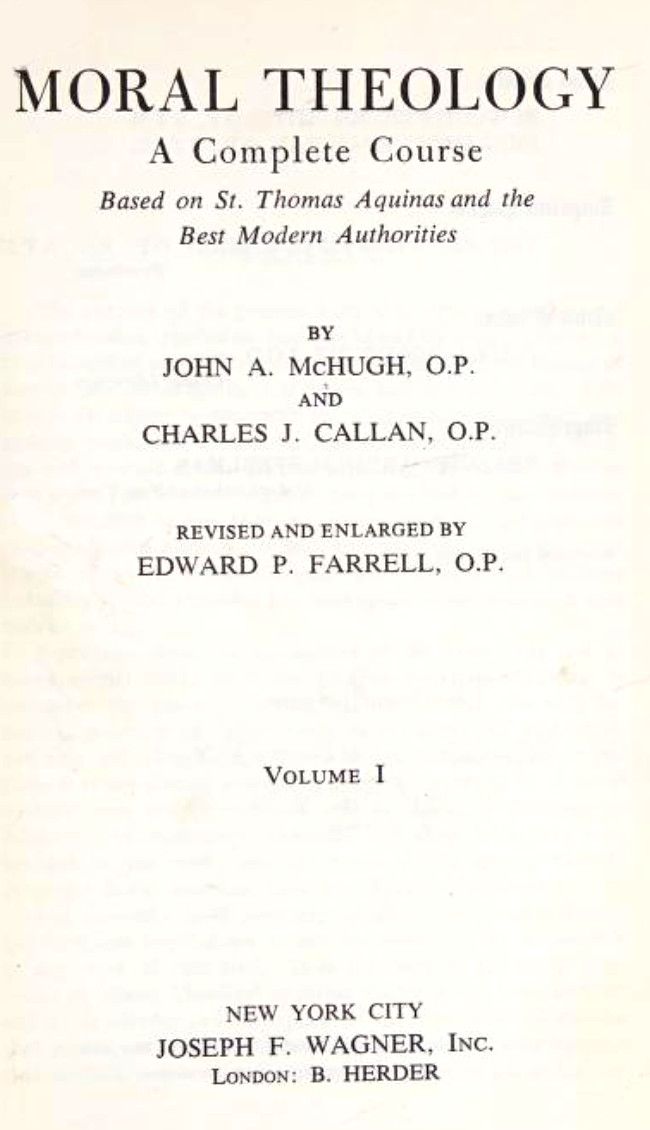
Moral Theology / A Complete Course Based on St. Thomas Aquinas and the Best Modern Authorities cover

Moral Theology / A Complete Course Based on St. Thomas Aquinas and the Best Modern Authorities

Chapter 13: Question II GOOD AND BAD HABITS
Open in WeRead

Explore more books like this:

About This Book

A systematic manual presents Catholic moral theology as the study of human conduct ordered to God as the last end, integrating reason with revealed truth and employing Thomistic principles. It lays foundational definitions and rules, distinguishes moral theology from ethics, faith, synderesis, and conscience, and treats law, virtues, vices, culpability, and the means of tending to the supernatural end. Practical and pastoral concerns receive attention through casuistical examples and discussions of sacramental and pastoral obligations, enabling application to modern moral problems while emphasizing formation of conscience and the positive cultivation of virtue.

Question II
GOOD AND BAD HABITS

132. Having considered human acts and the passions, we now pass to a consideration of the principles from which acts proceed proximately. These principles are, first, the faculties, powers or forces of the soul (such as the intellect, will, sense, appetite, and vegetative powers); and, secondly, the habits which permanently modify the faculties. For some faculties may be turned in various directions, either favorably or unfavorably, as regards their ends, and it is the stable bent given to a faculty that is called a habit. Thus, the intellect may be directed towards its end, which is truth, by the habit of knowledge; or away from that end by the habit of ignorance. Likewise, the will may be directed towards or away from its end, which is good, by virtue or vice. The faculties are treated in Psychology, but the habits, since they turn the faculties towards good or evil, must be considered in Moral Theology, as well as in philosophy.