
About This Book
The text examines morality as a natural phenomenon shaped by biological instincts, psychological inhibition, and social sanctions. It opens with animal experiments illustrating how restraint becomes learned, then surveys philosophical theories—hedonism, utilitarianism, and duty—arguing they converge toward pleasure-based explanations. It develops a biological account of moral sentiment, traces connections between moral norms and legal rules, and contrasts individual conscience with collective immorality. Later chapters consider freedom, responsibility, social progress, and the emotional and institutional sanctions that sustain ethical behavior, aiming to relate moral concepts to human evolution and social life.
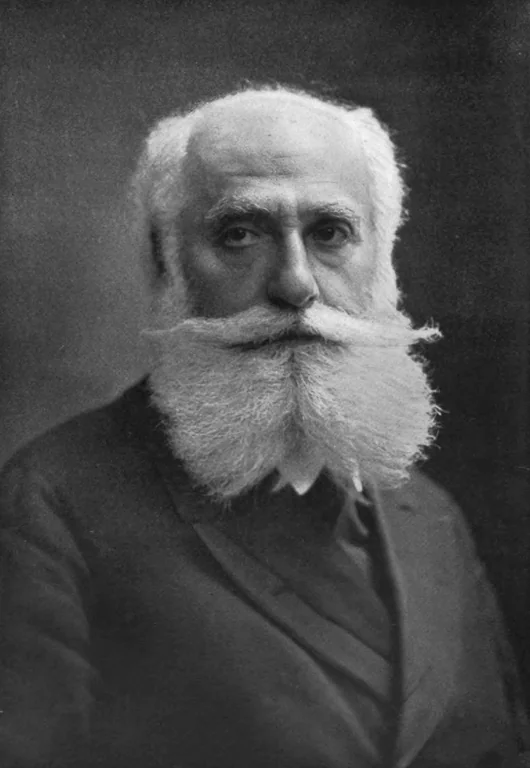
About the Author
More Books by This Author
6 picks


You May Also Like
6 picks
 "About My Father's Business": Work Amidst the Sick, the Sad, and the Sorrowing
by Thomas Archer
"About My Father's Business": Work Amidst the Sick, the Sad, and the Sorrowing
by Thomas Archer
 "Beautiful Thoughts"
by Henry Drummond
"Beautiful Thoughts"
by Henry Drummond
 "Bethink Yourselves!"
by graf Leo Tolstoy
"Bethink Yourselves!"
by graf Leo Tolstoy
 "How Can I Help to Abolish Slavery?" or, Counsels to the Newly Converted
by Maria Weston Chapman
"How Can I Help to Abolish Slavery?" or, Counsels to the Newly Converted
by Maria Weston Chapman
 "I Believe" and other essays
by Guy Thorne
"I Believe" and other essays
by Guy Thorne
 "Imperialism" and "The Tracks of Our Forefathers"
by Charles Francis Adams
"Imperialism" and "The Tracks of Our Forefathers"
by Charles Francis Adams