
WeRead Powered by ReaderPub
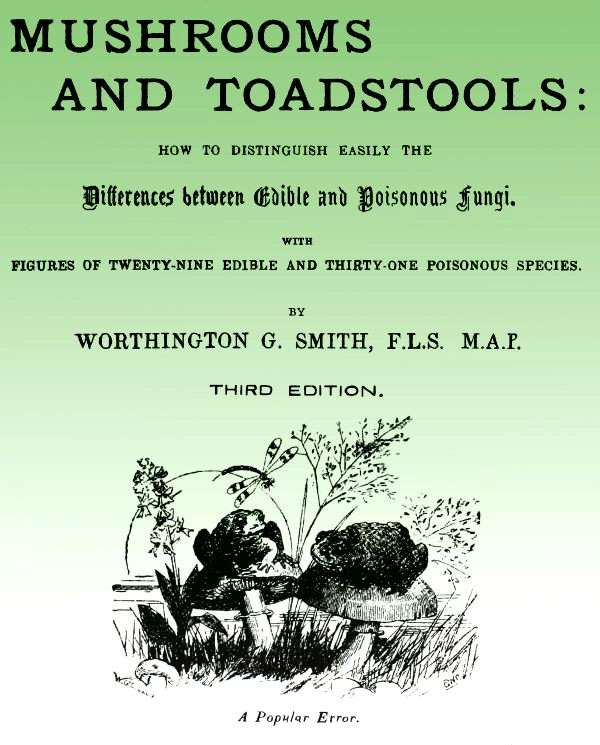
Mushroom and Toadstools / How to Distinguish Easily the Differences Between Edible and Poisonous Fungi cover

Mushroom and Toadstools / How to Distinguish Easily the Differences Between Edible and Poisonous Fungi

Chapter 29: Viscid White Mushroom. Fig. 23.
Open in WeRead

About This Book

A practical field guide that helps readers separate edible from poisonous fungi through clear descriptions and nature-based illustrations of dozens of species. It supplies indices of common and scientific names, engraved plates of twenty-nine edible and thirty-one poisonous species, and short diagnostic notes on appearance, habitat, and handling. Introductory remarks discuss safe collecting and eating practices, such as choosing fresh specimens, avoiding overconsumption, and caution for beginners. The author emphasizes careful comparison with the plates, offers to identify specimens sent for inspection, and relates occasional personal cautions from earlier mistakes. The volume mixes botanical observation with culinary advice to encourage informed, cautious use of wild fungi.

Viscid White Mushroom. Fig. 23.

(Hygrophorus virgineus.)470.

This species, exquisite in form and flavour, is one of the prettiest ornaments of our lawns, downs, and short pastures at the fall of the year. In these situations it may be found in every part of the kingdom. It is essentially waxy, and feels and looks precisely as if made of the purest virgin wax. The stem is firm, stuffed, and attenuated, and the gills (singularly distant from each other) run far down the stem; it changes colour a little when getting old, at which time it is unfit for culinary purposes.

A batch of fresh specimens, broiled or stewed with taste and care, will prove agreeable, succulent, and flavorous eating, and may sometimes be obtained when other species are not to be had.

Several allied species enjoy the reputation of being esculent, notably H. pratensis and H. niveus; and my friend Mr. F. C. Penrose has eaten, and speaks favourably of, H. psittacinus—a highly ornamental yellow species, with a green stem, sometimes common enough in rich pastures (and generally said to be very suspicious).