
WeRead Powered by ReaderPub
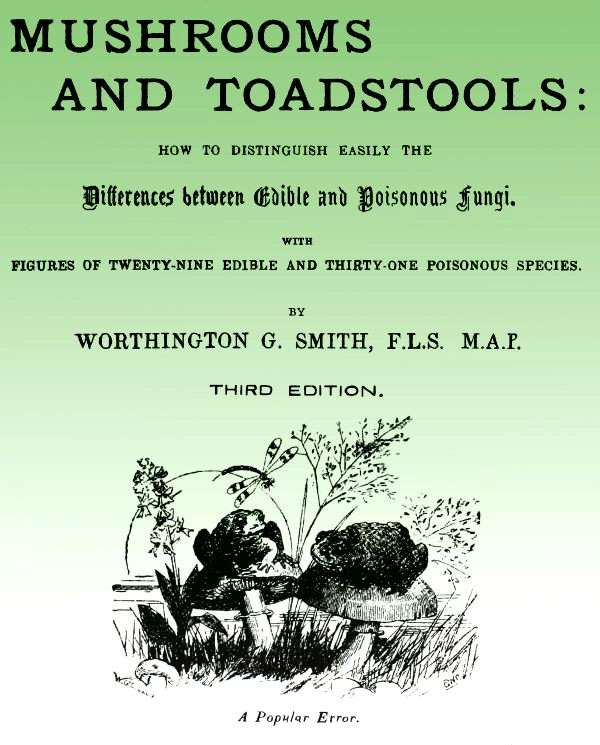
Mushroom and Toadstools / How to Distinguish Easily the Differences Between Edible and Poisonous Fungi cover

Mushroom and Toadstools / How to Distinguish Easily the Differences Between Edible and Poisonous Fungi

Chapter 60: Incrusted Mushroom. Fig. 24.
Open in WeRead

About This Book

A practical field guide that helps readers separate edible from poisonous fungi through clear descriptions and nature-based illustrations of dozens of species. It supplies indices of common and scientific names, engraved plates of twenty-nine edible and thirty-one poisonous species, and short diagnostic notes on appearance, habitat, and handling. Introductory remarks discuss safe collecting and eating practices, such as choosing fresh specimens, avoiding overconsumption, and caution for beginners. The author emphasizes careful comparison with the plates, offers to identify specimens sent for inspection, and relates occasional personal cautions from earlier mistakes. The volume mixes botanical observation with culinary advice to encourage informed, cautious use of wild fungi.

Incrusted Mushroom. Fig. 24.

(Agaricus [Hebelonia] crustuliniformis.)278.

Growing in woods, this deleterious species is extremely common, and without doubt very dangerous. The dirty pale-umber gills, and its habitat and time of growth—viz. the autumn—at once distinguish it from the delicious A. gambosus, fig. 19, Edible Sheet. It has a powerful and highly disagreeable odour, and brown spores, and we believe it is often mistaken by the ignorant for the true mushroom.