
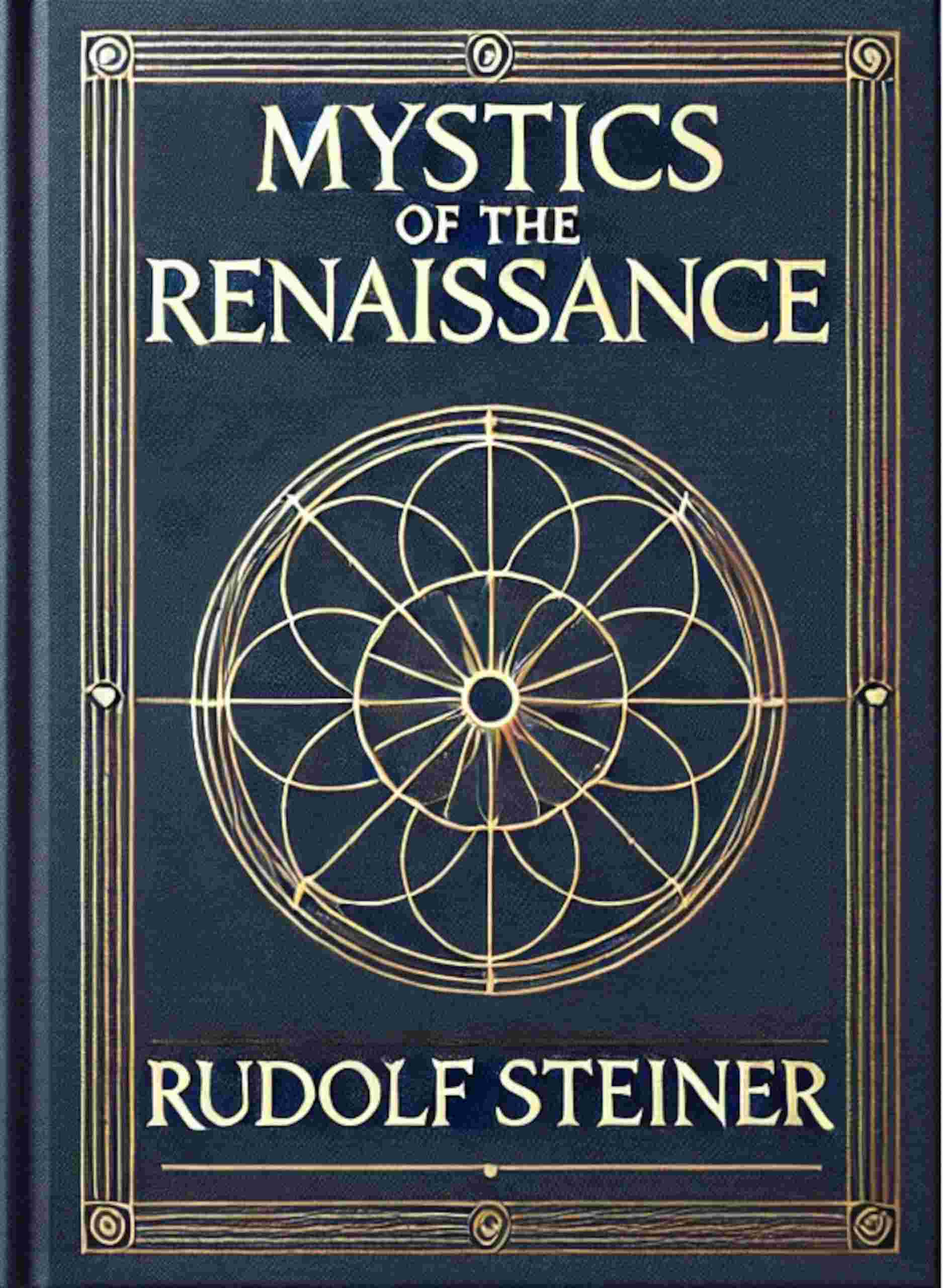
Mystics of the Renaissance and their relation to modern thought, including Meister Eckhart, Tauler, Paracelsus, Jacob Boehme, Giordano Bruno, and others
Explore more books like this:
About This Book
A series of lecture-based essays examines major Renaissance mystical thinkers and their ideas, tracing patterns of inward experience, symbolic language, and metaphysical method. The author compares contemplative practices with emerging modern scientific and philosophical currents, distinguishes authentic mystical insight from distorted forms, and outlines how spiritual perspectives informed conceptions of nature and knowledge. Sequential chapters profile individual figures and analyze central themes such as self-knowledge and the unity of soul and world, arguing for a complementary relation between spiritual understanding and scientific inquiry.
About the Author

More Books by This Author
6 picks
 An Outline of Occult Science
by Rudolf Steiner
An Outline of Occult Science
by Rudolf Steiner
 Christianity as Mystical Fact, and the Mysteries of Antiquity
by Rudolf Steiner
Christianity as Mystical Fact, and the Mysteries of Antiquity
by Rudolf Steiner
 Die Kernpunkte der sozialen Frage in den Lebensnotwendigkeiten der Gegenwart und Zukunft
by Rudolf Steiner
Die Kernpunkte der sozialen Frage in den Lebensnotwendigkeiten der Gegenwart und Zukunft
by Rudolf Steiner
 Die Philosophie der Freiheit: Grundzüge einer modernen Weltanschauung
by Rudolf Steiner
Die Philosophie der Freiheit: Grundzüge einer modernen Weltanschauung
by Rudolf Steiner
 Four Mystery Plays
by Rudolf Steiner
Four Mystery Plays
by Rudolf Steiner
 Friedrich Nietzsche: Ein Kämpfer gegen seine Zeit
by Rudolf Steiner
Friedrich Nietzsche: Ein Kämpfer gegen seine Zeit
by Rudolf Steiner
You May Also Like
6 picks
 "My country, 'tis of thee!" / Or, the United States of America; past, present and future. A philosophic view of American history and of our present status, to be seen in the Columbian exhibition.
by Willis Fletcher Johnson
"My country, 'tis of thee!" / Or, the United States of America; past, present and future. A philosophic view of American history and of our present status, to be seen in the Columbian exhibition.
by Willis Fletcher Johnson
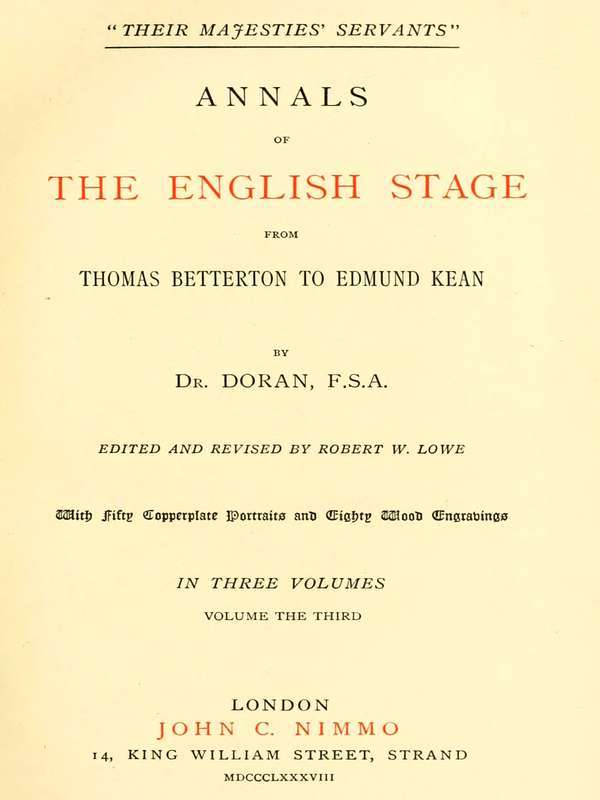 "Their Majesties' Servants." Annals of the English Stage (Volume 3 of 3)
by Dr. Doran
"Their Majesties' Servants." Annals of the English Stage (Volume 3 of 3)
by Dr. Doran
 1811 Dictionary of the Vulgar Tongue
by Francis Grose
1811 Dictionary of the Vulgar Tongue
by Francis Grose
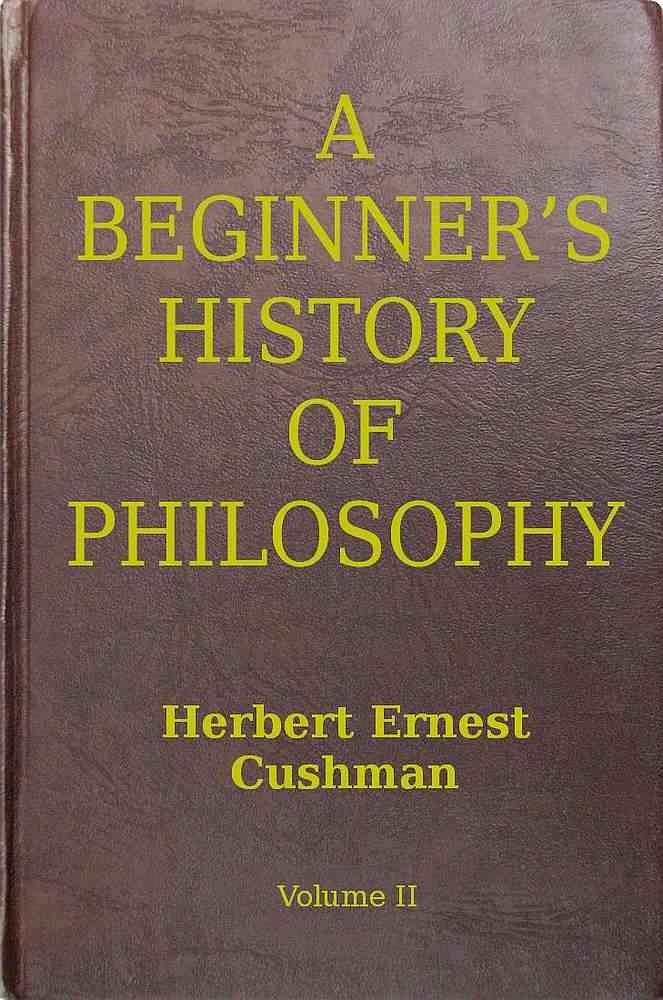 A Beginner's History of Philosophy, Vol. 2: Modern Philosophy
by Herbert Ernest Cushman
A Beginner's History of Philosophy, Vol. 2: Modern Philosophy
by Herbert Ernest Cushman
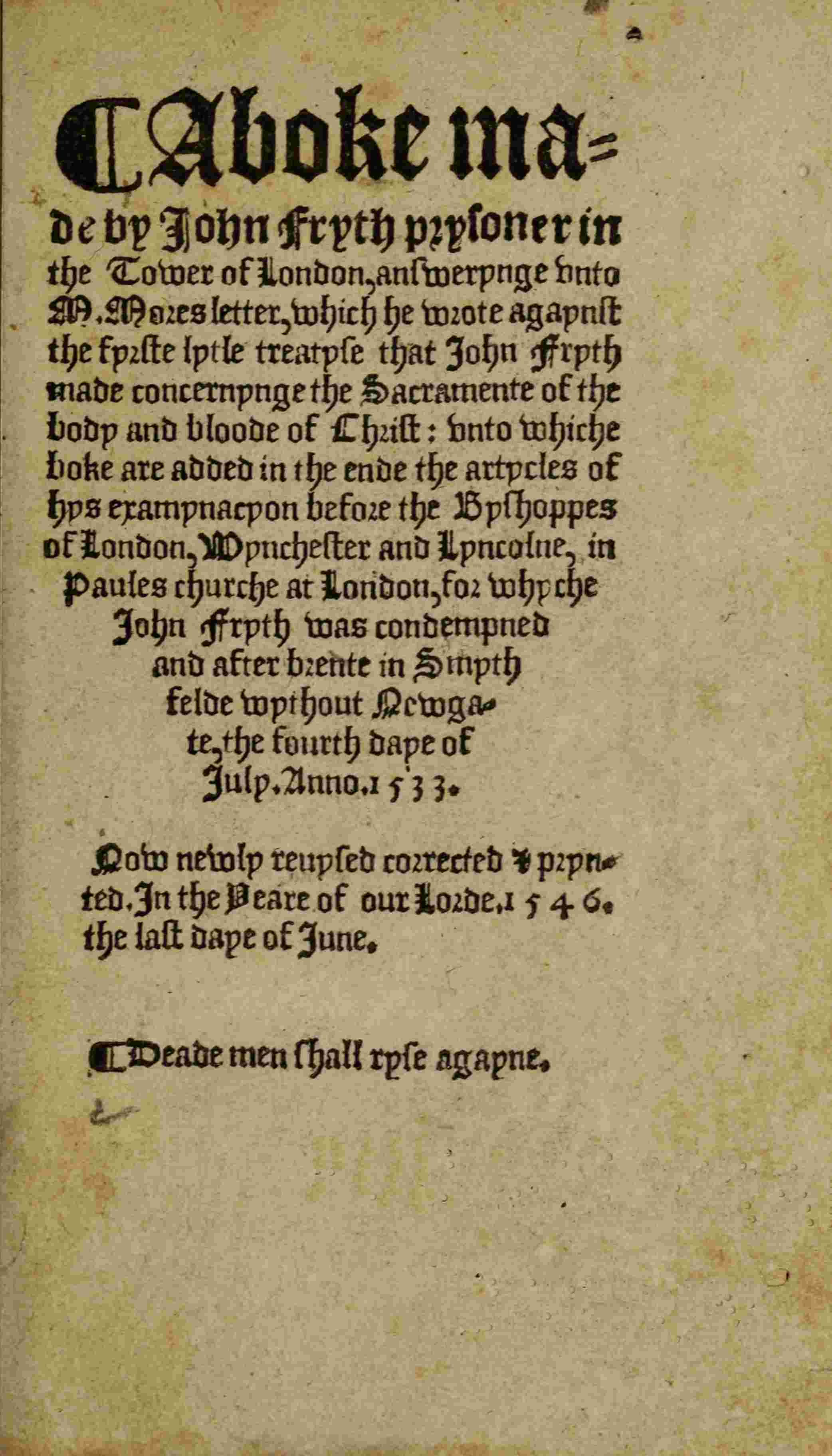 A boke made by John Fryth, prysoner in the Tower of London / answerynge unto M. Mores letter, which he wrote agaynst the fyrste lytle treatyse that John Fryth made, concernynge the sacramente of the body and bloude of Christ
by John Frith
A boke made by John Fryth, prysoner in the Tower of London / answerynge unto M. Mores letter, which he wrote agaynst the fyrste lytle treatyse that John Fryth made, concernynge the sacramente of the body and bloude of Christ
by John Frith
 A Brief Account of the Destruction of the Indies / Or, a faithful NARRATIVE OF THE Horrid and Unexampled Massacres, Butcheries, and all manner of Cruelties, that Hell and Malice could invent, committed by the Popish Spanish Party on the inhabitants of West-India, TOGETHER With the Devastations of several Kingdoms in America by Fire and Sword, for the space of Forty and Two Years, from the time of its first Discovery by them.
by Bartolomé de las Casas
A Brief Account of the Destruction of the Indies / Or, a faithful NARRATIVE OF THE Horrid and Unexampled Massacres, Butcheries, and all manner of Cruelties, that Hell and Malice could invent, committed by the Popish Spanish Party on the inhabitants of West-India, TOGETHER With the Devastations of several Kingdoms in America by Fire and Sword, for the space of Forty and Two Years, from the time of its first Discovery by them.
by Bartolomé de las Casas