

Narrative of the Circumnavigation of the Globe by the Austrian Frigate Novara, Volume II / (Commodore B. Von Wullerstorf-Urbair,) Undertaken by Order of the Imperial Government in the Years 1857, 1858, & 1859, Under the Immediate Auspices of His I. and R. Highness the Archduke Ferdinand Maximilian, Commander-In-Chief of the / Austrian Navy.
Explore more books like this:
About This Book
A naval circumnavigation recounts coastal surveys, island landings, and scientific collecting across the Indo-Pacific. Detailed natural-history notes document flora, fauna, soils, and geologic features together with climatic and navigational measurements. Ethnographic passages describe village life, material culture, trade patterns, and local reactions to visitors. Practical chapters record navigational hazards, port calls, medical emergencies and logistical difficulties encountered while surveying reefs, mangroves, and dense forests. Final sections synthesize the expedition's botanical, zoological, geodetic, and economic observations to assess possibilities for settlement, cultivation, and commerce in the regions visited.
About the Author

More Books by This Author
 Narrative of the Circumnavigation of the Globe by the Austrian Frigate Novara, Volume I / (Commodore B. Von Wullerstorf-Urbair,) Undertaken by Order of the Imperial Government in the Years 1857, 1858, & 1859, Under the Immediate Auspices of His I. and R. Highness the Archduke Ferdinand Maximilian, Commander-In-Chief of the / Austrian Navy.
by Ritter von Karl Scherzer
Narrative of the Circumnavigation of the Globe by the Austrian Frigate Novara, Volume I / (Commodore B. Von Wullerstorf-Urbair,) Undertaken by Order of the Imperial Government in the Years 1857, 1858, & 1859, Under the Immediate Auspices of His I. and R. Highness the Archduke Ferdinand Maximilian, Commander-In-Chief of the / Austrian Navy.
by Ritter von Karl Scherzer
 Narrative of the Circumnavigation of the Globe by the Austrian Frigate Novara, Volume III / (Commodore B. Von Wullerstorf-Urbair,) Undertaken by Order of the Imperial Government in the Years 1857, 1858, & 1859, Under the Immediate Auspices of His I. and R. Highness the Archduke Ferdinand Maximilian, Commander-In-Chief of the / Austrian Navy.
by Ritter von Karl Scherzer
Narrative of the Circumnavigation of the Globe by the Austrian Frigate Novara, Volume III / (Commodore B. Von Wullerstorf-Urbair,) Undertaken by Order of the Imperial Government in the Years 1857, 1858, & 1859, Under the Immediate Auspices of His I. and R. Highness the Archduke Ferdinand Maximilian, Commander-In-Chief of the / Austrian Navy.
by Ritter von Karl Scherzer
You May Also Like
 "Five-Head" Creek; and Fish Drugging in the Pacific / 1901
by Louis Becke
"Five-Head" Creek; and Fish Drugging in the Pacific / 1901
by Louis Becke
 "Pennsylvania Dutch," and other essays
by Phebe Earle Gibbons
"Pennsylvania Dutch," and other essays
by Phebe Earle Gibbons
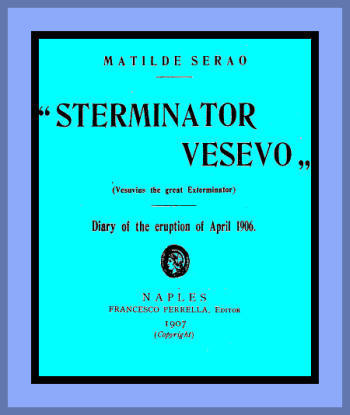 "Sterminator Vesevo" (Vesuvius the great exterminator) / Diary of the Eruption of April 1906
by Matilde Serao
"Sterminator Vesevo" (Vesuvius the great exterminator) / Diary of the Eruption of April 1906
by Matilde Serao
 21 Jahre in Indien. Dritter Theil: Sumatra.
by Heinrich Breitenstein
21 Jahre in Indien. Dritter Theil: Sumatra.
by Heinrich Breitenstein
 21 Jahre in Indien. Erster Theil: Borneo.
by Heinrich Breitenstein
21 Jahre in Indien. Erster Theil: Borneo.
by Heinrich Breitenstein
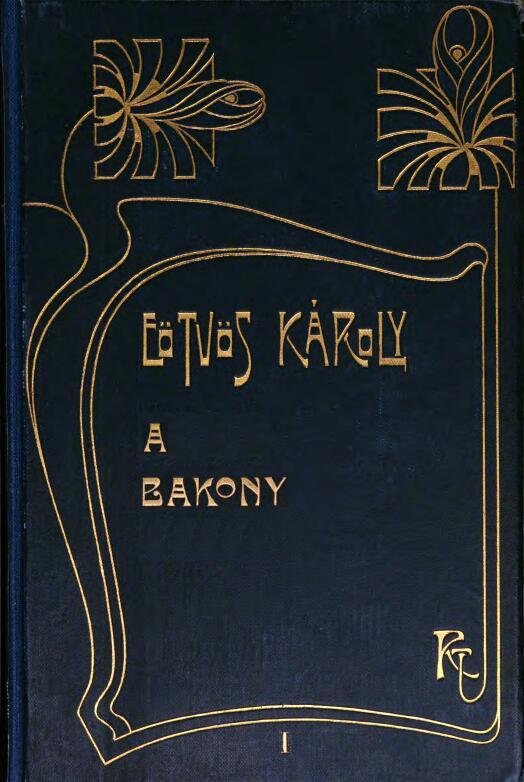 A Bakony (1. kötet)
by Károly Eötvös
A Bakony (1. kötet)
by Károly Eötvös