
About This Book
The essay contends that government is at best a practical expedient and often becomes a vehicle for injustice, urging individuals not to surrender conscience to majority rule or legal authority. It critiques standing armies, unquestioning obedience, and institutional complicity in practices such as slavery and aggressive war, arguing that law does not make people just. The author recommends withholding consent through noncooperation, refusal of support, and other forms of conscientious resistance, insisting that individuals prioritize what they believe to be right over compliance with unjust laws, even at personal cost, as the moral remedy to governmental wrongdoing.
About the Author
More Books by This Author
6 picks
 A Plea for Captain John Brown / Read to the citizens of Concord, Massachusetts on Sunday evening, October thirtieth, eighteen fifty-nine
by Henry David Thoreau
A Plea for Captain John Brown / Read to the citizens of Concord, Massachusetts on Sunday evening, October thirtieth, eighteen fifty-nine
by Henry David Thoreau
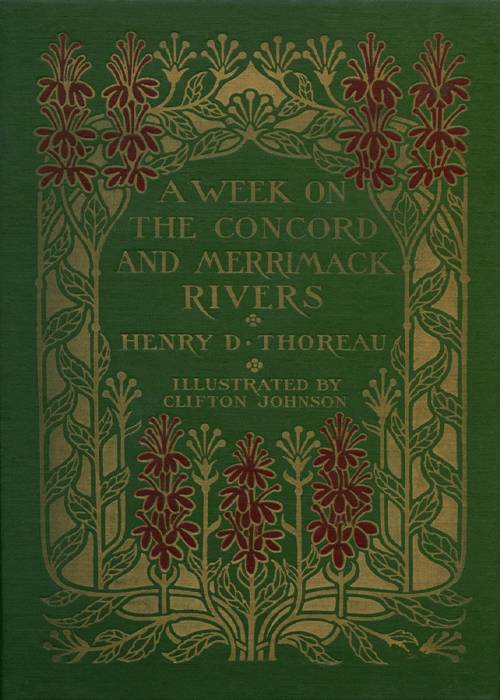 A Week on the Concord and Merrimack Rivers
by Henry David Thoreau
A Week on the Concord and Merrimack Rivers
by Henry David Thoreau
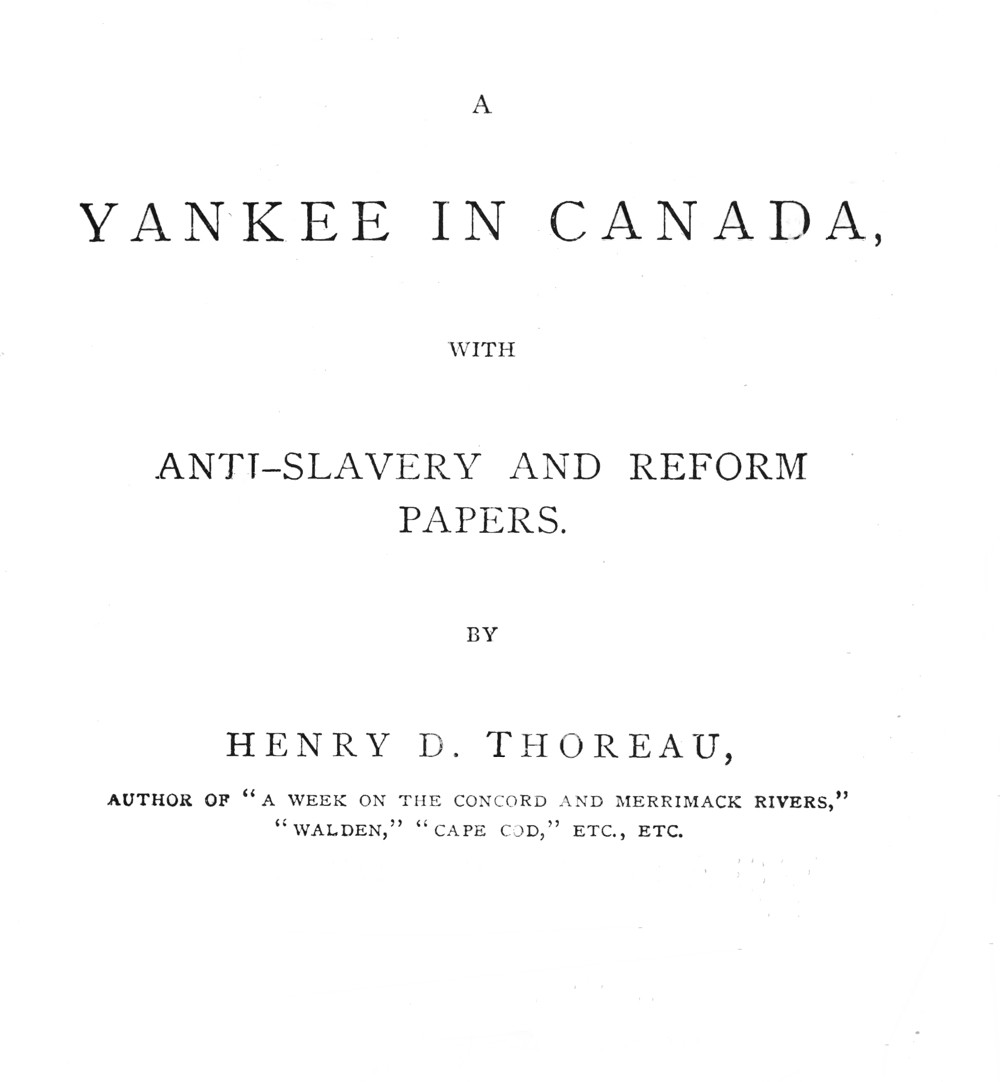 A Yankee in Canada, with Anti-slavery and reform papers.
by Henry David Thoreau
A Yankee in Canada, with Anti-slavery and reform papers.
by Henry David Thoreau
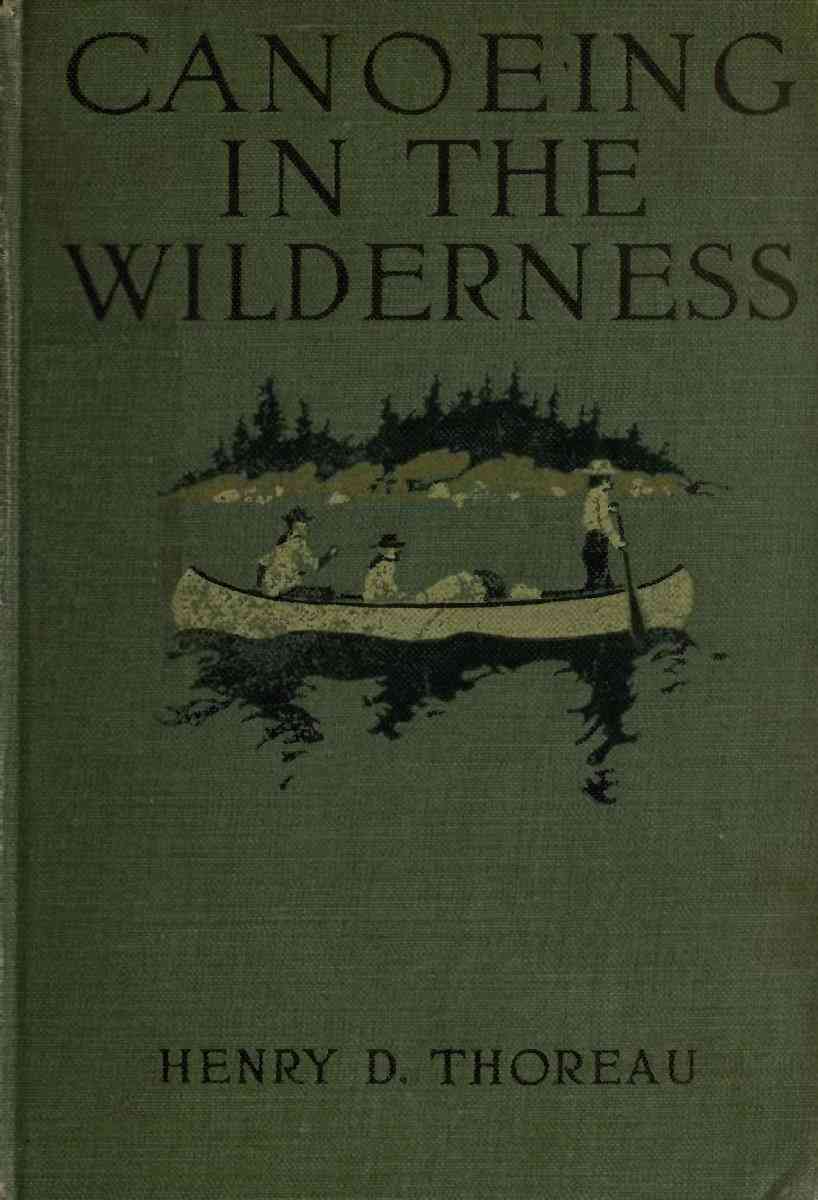 Canoeing in the wilderness
by Henry David Thoreau
Canoeing in the wilderness
by Henry David Thoreau
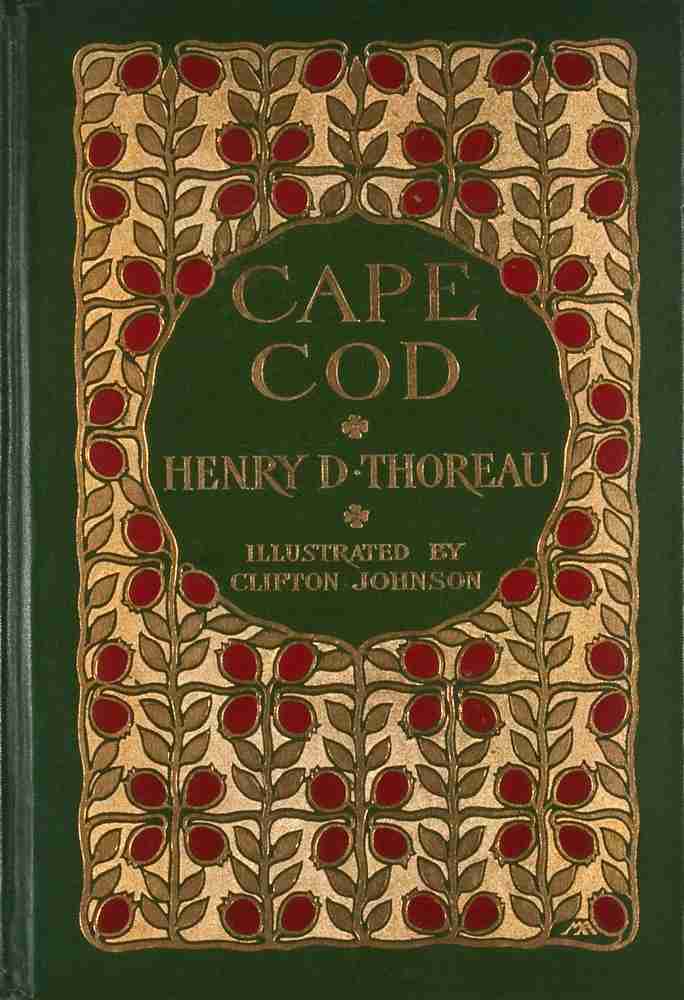 Cape Cod
by Henry David Thoreau
Cape Cod
by Henry David Thoreau
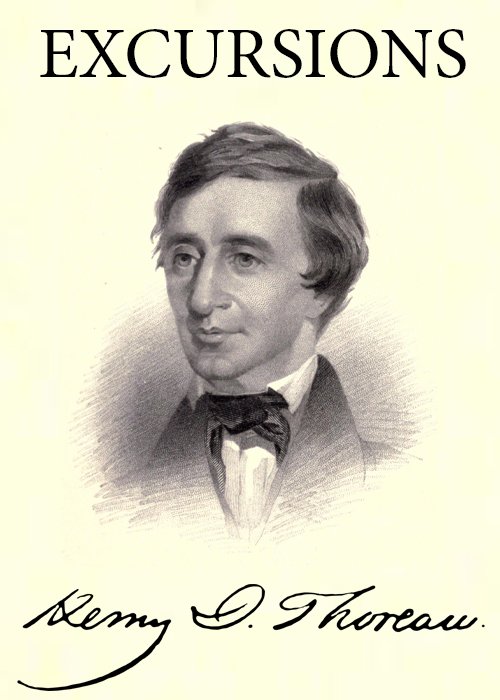 Excursions
by Henry David Thoreau
Excursions
by Henry David Thoreau
You May Also Like
6 picks
 "All's not Gold that Glitters;" or, The Young Californian
by Alice B. Haven
"All's not Gold that Glitters;" or, The Young Californian
by Alice B. Haven
 "Bring Me His Ears"
by Clarence Edward Mulford
"Bring Me His Ears"
by Clarence Edward Mulford
 "Browne's Folly" / (From: "The Doliver Romance and Other Pieces: Tales and Sketches")
by Nathaniel Hawthorne
"Browne's Folly" / (From: "The Doliver Romance and Other Pieces: Tales and Sketches")
by Nathaniel Hawthorne
 "Forward, March": A Tale of the Spanish-American War
by Kirk Munroe
"Forward, March": A Tale of the Spanish-American War
by Kirk Munroe
 "Gentlemen prefer blondes"
by Anita Loos
"Gentlemen prefer blondes"
by Anita Loos
 "George Washington's" Last Duel / 1891
by Thomas Nelson Page
"George Washington's" Last Duel / 1891
by Thomas Nelson Page