
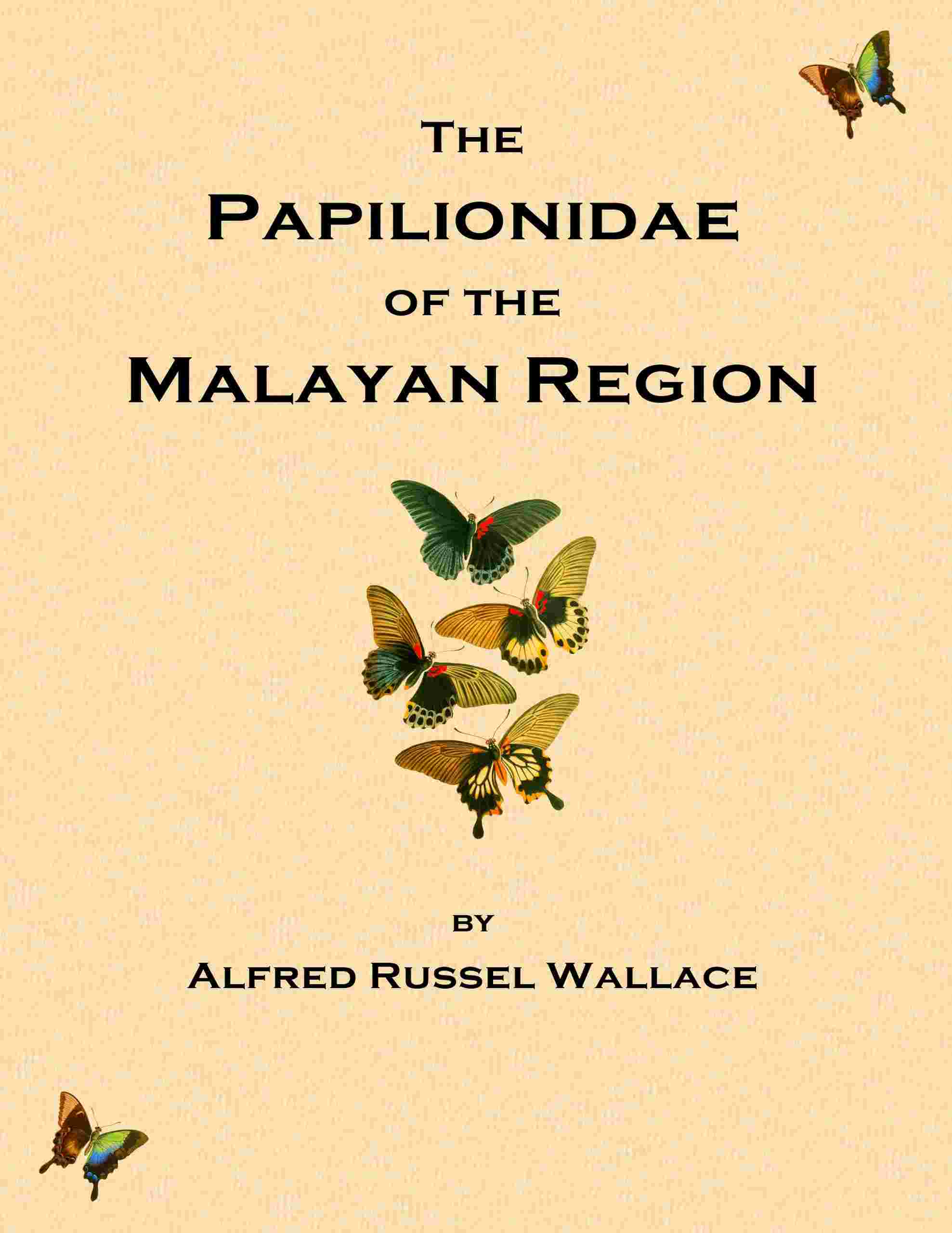
On the phenomena of variation and geographical distribution as illustrated by the Papilionidæ of the Malayan region
Explore more books like this:
About This Book
The essay argues that butterflies, and especially the Papilionidae, furnish exceptional material for studying variation and geographical distribution because their wing patterns record minute differences. It surveys distinctive characters—such as the four-branched median wing nervure, a spur on the fore tibiae, and the larval Y-shaped neck tentacle—and links these traits to the family’s success. Using specimens from the Malayan region, the author traces local and regional differences in coloration, markings, and form, considers climatic and physical influences on those differences, and emphasizes comprehensive collecting and comparative description to reveal patterns of variation and distribution.
About the Author
More Books by This Author
6 picks
 A defence of modern spiritualism
by Alfred Russel Wallace
A defence of modern spiritualism
by Alfred Russel Wallace
 A narrative of travels on the Amazon and Rio Negro,
by Alfred Russel Wallace
A narrative of travels on the Amazon and Rio Negro,
by Alfred Russel Wallace
 Alfred Russel Wallace: Letters and Reminiscences, Vol. 1
by Alfred Russel Wallace
Alfred Russel Wallace: Letters and Reminiscences, Vol. 1
by Alfred Russel Wallace
 Alfred Russel Wallace: Letters and Reminiscences, Vol. 2
by Alfred Russel Wallace
Alfred Russel Wallace: Letters and Reminiscences, Vol. 2
by Alfred Russel Wallace
 Catalogue of the dipterous insects collected at Singapore and Malacca
by Alfred Russel Wallace
Catalogue of the dipterous insects collected at Singapore and Malacca
by Alfred Russel Wallace
 Contributions to the Theory of Natural Selection / A Series of Essays
by Alfred Russel Wallace
Contributions to the Theory of Natural Selection / A Series of Essays
by Alfred Russel Wallace
You May Also Like
6 picks
 "Five-Head" Creek; and Fish Drugging in the Pacific / 1901
by Louis Becke
"Five-Head" Creek; and Fish Drugging in the Pacific / 1901
by Louis Becke
 "Præterita": souvenirs de jeunesse
by John Ruskin
"Præterita": souvenirs de jeunesse
by John Ruskin
 "The One" Dog and "The Others": A Study of Canine Character
by Frances E. Slaughter
"The One" Dog and "The Others": A Study of Canine Character
by Frances E. Slaughter
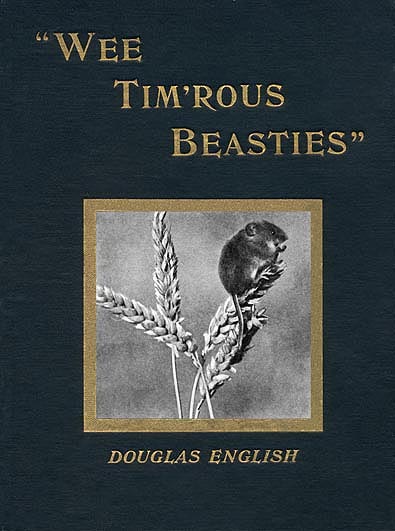 "Wee Tim'rous Beasties": Studies of Animal life and Character
by Douglas English
"Wee Tim'rous Beasties": Studies of Animal life and Character
by Douglas English
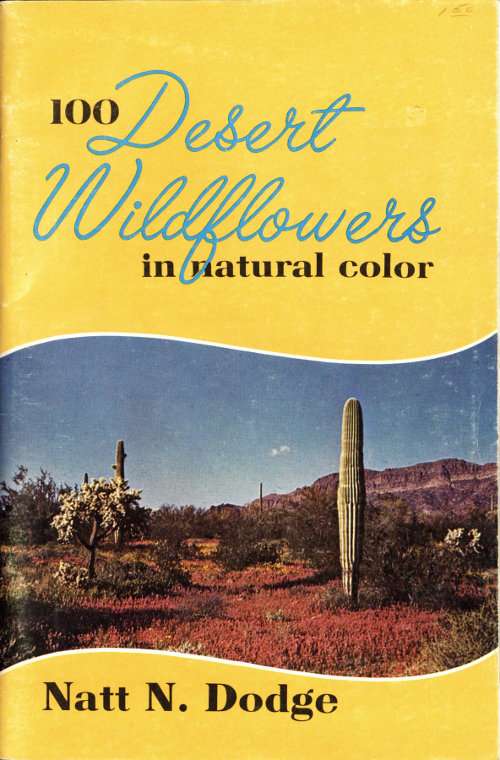 100 Desert Wildflowers in Natural Color
by Natt N. Dodge
100 Desert Wildflowers in Natural Color
by Natt N. Dodge
 A Bird Calendar for Northern India
by Douglas Dewar
A Bird Calendar for Northern India
by Douglas Dewar