
PREFACE
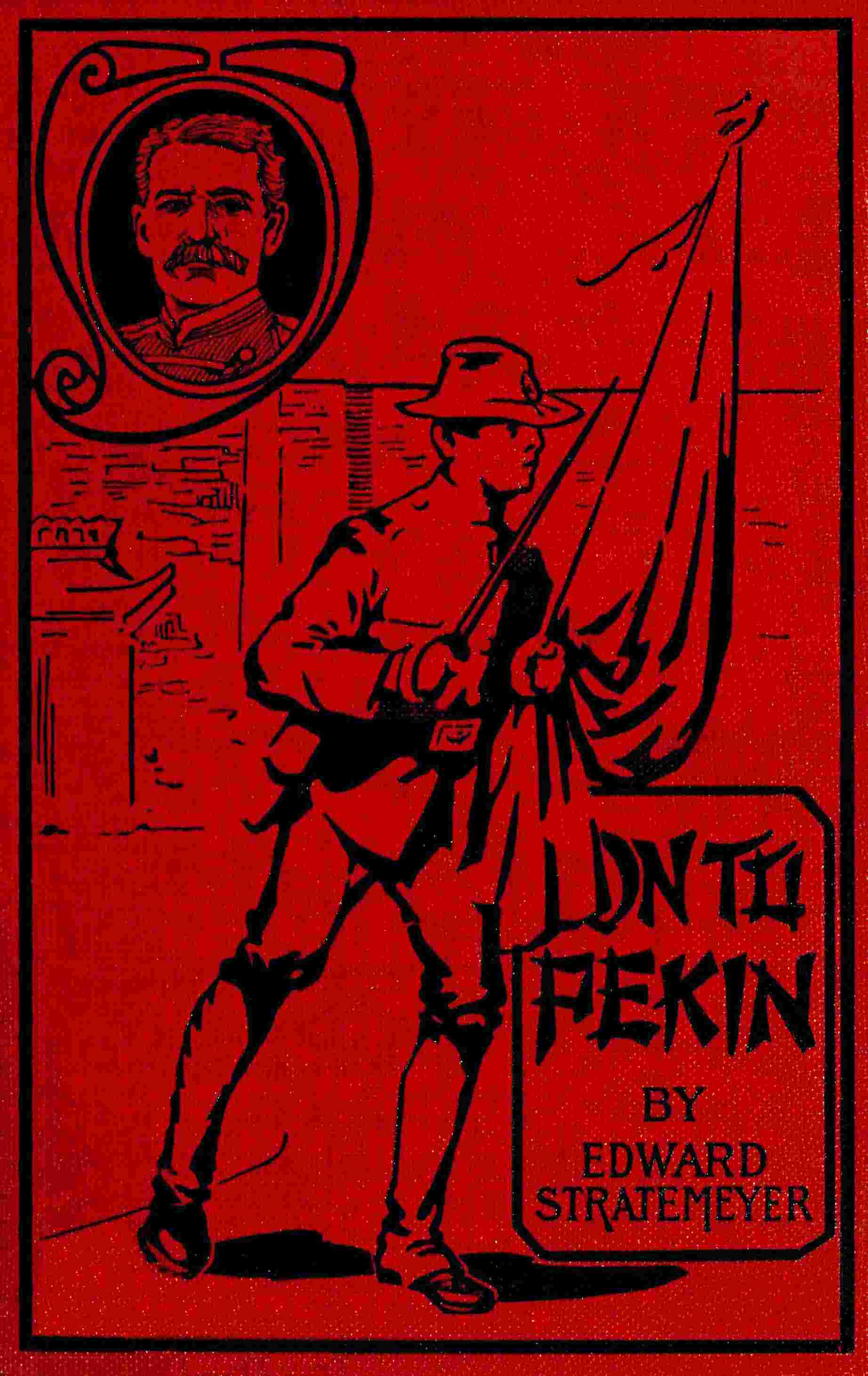
“On to Pekin” relates the adventures of a young lieutenant of the regulars, who is sent from Manila to Taku, China, to participate in the campaign of the allied forces of the United States, England, France, Germany, Austria, Italy, Russia, and Japan against the Chinese order of the Boxers and those government troops of the Province of Shantung who aided in the great rebellion against all foreigners.
In the story are related, first, the bombardment of the Taku forts and the capturing of Taku and Tongku; next the history of the ill-fated expedition under Vice-Admiral Seymour, R.N., to relieve Pekin, and the bombardment and capture of Tien-Tsin; and, lastly, that bold dash of the Internationals for Pekin and the relief of the consuls, missionaries, and other foreigners who had been besieged for fifty-six days.
It may be that some of my readers will think Gilbert Pennington an unusually clever officer, and one quite young to be occupying the position of lieutenant of the regulars. But it must be remembered that Gilbert had served in Cuba with the Rough Riders, and in the Philippines under General MacArthur and General Lawton, and that he took to army service as naturally as a duck takes to water. He was one of those soldiers of whom Grant declared, “They are born, those fellows, not made.”
The campaign in China has been as short as it was brilliant; and, with Earl Li Hung Chang and others empowered to treat for peace upon almost any terms, it is to be hoped that a permanent settlement will be made, which will insure both foreigners and China against all further trouble. War, at its best, is a terrible thing; and the less our country has of it, the better it will be for our people.
Once more thanking my young friends for the interest they have shown in my previous stories, I place this volume in their hands, trusting they will find its perusal both pleasurable and full of profit.
EDWARD STRATEMEYER.
Newark, N.J.,
Oct. 4, 1900.