
Origin and Development of Form and Ornament in Ceramic Art. / Fourth Annual Report of the Bureau of Ethnology to the Secretary of the Smithsonian Institution, 1882-1883, Government Printing Office, Washington, 1886, pages 437-466.
Explore more books like this:
About This Book
The author examines how ceramic shapes and surface decoration arise and evolve through adoption of forms from other objects, imitation, and inventive modification. Functional and constructional features—coils, handles, rims, basketry impressions—are shown to suggest motifs and guide ornament, while accidental marks, pictorial or ideographic subjects, and material or production techniques further alter appearance. Sequential examples and theoretical derivations illustrate how utilitarian elements become abstracted into repeated motifs like scrolls and bands, and how form, medium, and method interact to produce the varieties of ceramic form and ornament found in early and traditional pottery.
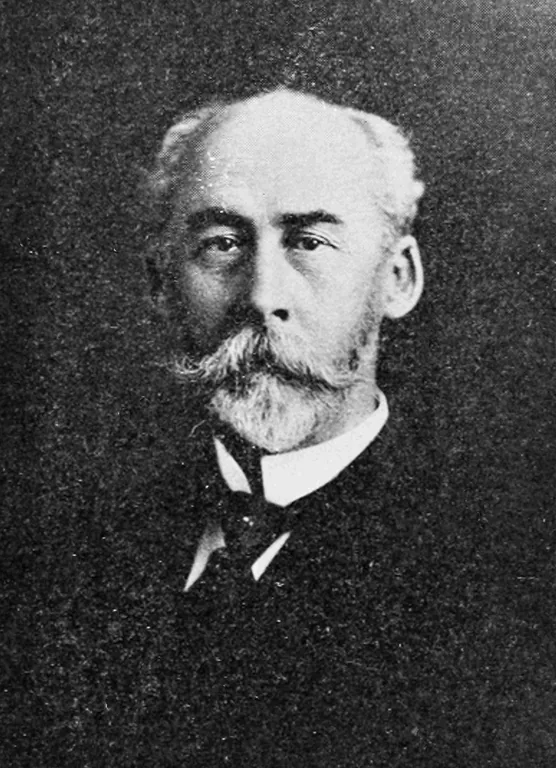
About the Author
More Books by This Author
6 picks
 A Study of the Textile Art in Its Relation to the Development of Form and Ornament / Sixth Annual Report of the Bureau of Ethnology to the Secretary of the Smithsonian Institution, 1884-'85, Government Printing Office, Washington, 1888, (pages 189-252)
by William Henry Holmes
A Study of the Textile Art in Its Relation to the Development of Form and Ornament / Sixth Annual Report of the Bureau of Ethnology to the Secretary of the Smithsonian Institution, 1884-'85, Government Printing Office, Washington, 1888, (pages 189-252)
by William Henry Holmes
 Ancient art of the province of Chiriqui, Colombia / Sixth Annual Report of the Bureau of Ethnology to the Secretary of the Smithsonian Institution, 1884-1885, Government Printing Office, Washington, 1888, pages 3-188
by William Henry Holmes
Ancient art of the province of Chiriqui, Colombia / Sixth Annual Report of the Bureau of Ethnology to the Secretary of the Smithsonian Institution, 1884-1885, Government Printing Office, Washington, 1888, pages 3-188
by William Henry Holmes
 Ancient Pottery of the Mississippi Valley / Fourth Annual Report of the Bureau of Ethnology to the Secretary of the Smithsonian Institution, 1882-83, Government Printing Office, Washington, 1886, pages 361-436
by William Henry Holmes
Ancient Pottery of the Mississippi Valley / Fourth Annual Report of the Bureau of Ethnology to the Secretary of the Smithsonian Institution, 1882-83, Government Printing Office, Washington, 1886, pages 361-436
by William Henry Holmes
 Art in Shell of the Ancient Americans / Second annual report of the Bureau of Ethnology to the Secretary of the Smithsonian Institution, 1880-81, pages 179-306
by William Henry Holmes
Art in Shell of the Ancient Americans / Second annual report of the Bureau of Ethnology to the Secretary of the Smithsonian Institution, 1880-81, pages 179-306
by William Henry Holmes
 Illustrated Catalogue of a Portion of the Collections Made During the Field Season of 1881 / Third Annual Report of the Bureau of Ethnology to the Secretary of the Smithsonian Institution, 1881-82, Government Printing Office, Washington, 1884, pages 427-510
by William Henry Holmes
Illustrated Catalogue of a Portion of the Collections Made During the Field Season of 1881 / Third Annual Report of the Bureau of Ethnology to the Secretary of the Smithsonian Institution, 1881-82, Government Printing Office, Washington, 1884, pages 427-510
by William Henry Holmes
 Pottery of the ancient Pueblos. (1886 N 04 / 1882-1883 (pages 257-360))
by William Henry Holmes
Pottery of the ancient Pueblos. (1886 N 04 / 1882-1883 (pages 257-360))
by William Henry Holmes
You May Also Like
6 picks
 "Five-Head" Creek; and Fish Drugging in the Pacific / 1901
by Louis Becke
"Five-Head" Creek; and Fish Drugging in the Pacific / 1901
by Louis Becke
 "Pennsylvania Dutch," and other essays
by Phebe Earle Gibbons
"Pennsylvania Dutch," and other essays
by Phebe Earle Gibbons
 "Sterminator Vesevo" (Vesuvius the great exterminator) / Diary of the Eruption of April 1906
by Matilde Serao
"Sterminator Vesevo" (Vesuvius the great exterminator) / Diary of the Eruption of April 1906
by Matilde Serao
 21 Jahre in Indien. Dritter Theil: Sumatra.
by Heinrich Breitenstein
21 Jahre in Indien. Dritter Theil: Sumatra.
by Heinrich Breitenstein
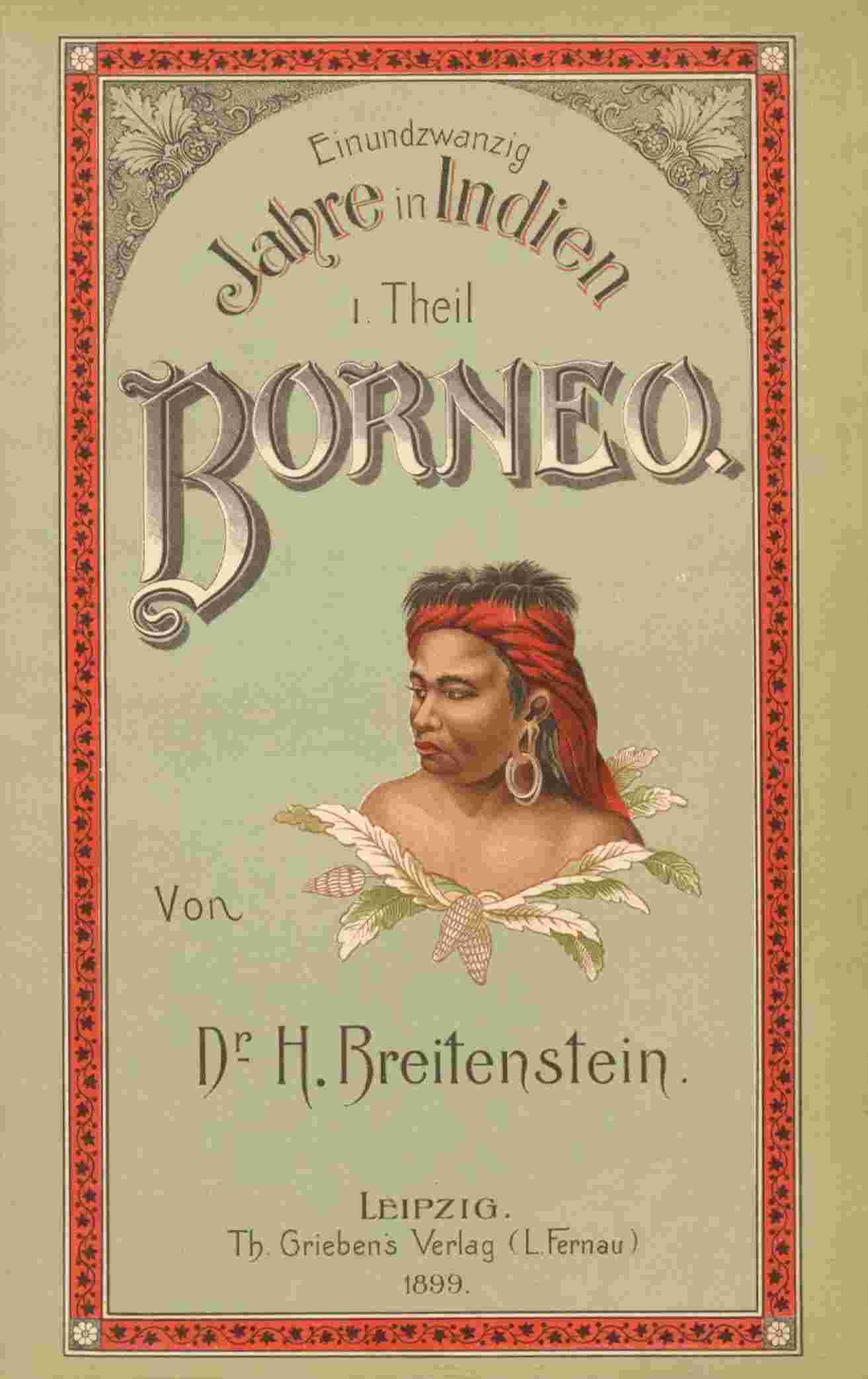 21 Jahre in Indien. Erster Theil: Borneo.
by Heinrich Breitenstein
21 Jahre in Indien. Erster Theil: Borneo.
by Heinrich Breitenstein
 A Bakony (1. kötet)
by Károly Eötvös
A Bakony (1. kötet)
by Károly Eötvös