
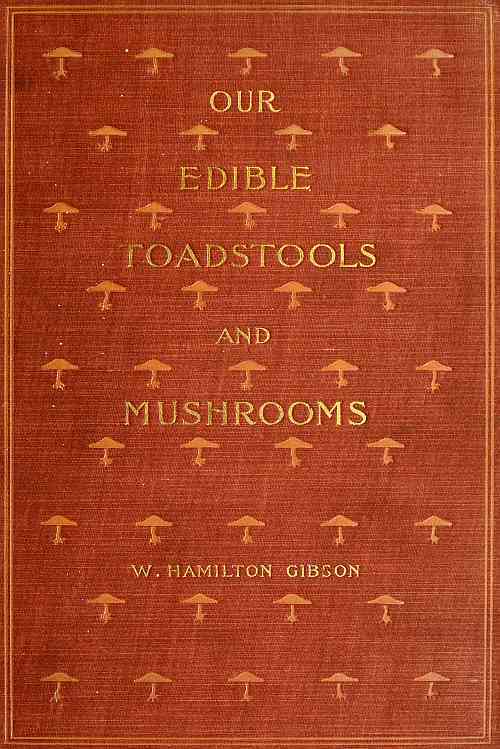
Our Edible Toadstools and Mushrooms and How to Distinguish Them / A Selection of Thirty Native Food Varieties Easily Recognizable by their Marked Individualities, with Simple Rules for the Identification of Poisonous Species
Explore more books like this:
About This Book
A practical popular guide to identifying edible and poisonous fungi that emphasizes recognition of the deadly Amanita while offering clear portraits and pictorial analysis of about thirty commonly used edible species. Sections cover major groups such as agarics, polypores, and miscellaneous fungi, explain diagnostic features—cap, gills, spore color and prints, taste, odor, and milky juices—and show development stages through numerous colored plates and line illustrations. Additional material describes spore-print techniques, cautions against risky lookalikes, and supplies simple culinary recipes, a bibliography, and an index to aid foragers and amateurs in safe gathering and preparation.
About the Author

More Books by This Author
4 picks

You May Also Like
6 picks
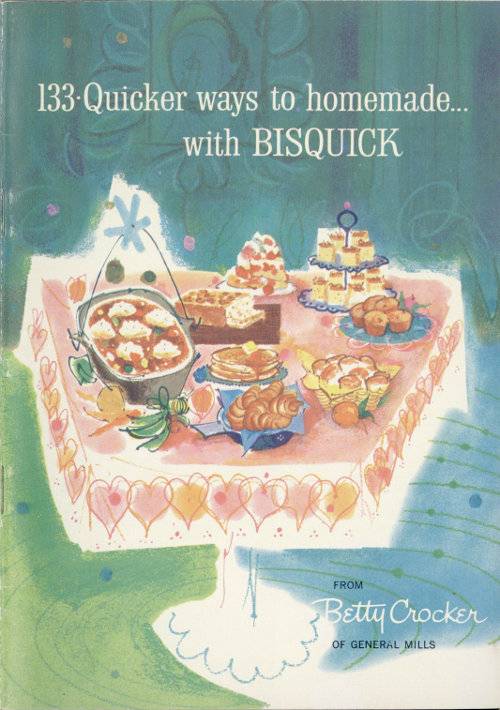 133 Quicker Ways to Homemade, with Bisquick
by Betty Crocker
133 Quicker Ways to Homemade, with Bisquick
by Betty Crocker
 A Course of Lectures on the Principles of Domestic Economy and Cookery
by Juliet Corson
A Course of Lectures on the Principles of Domestic Economy and Cookery
by Juliet Corson
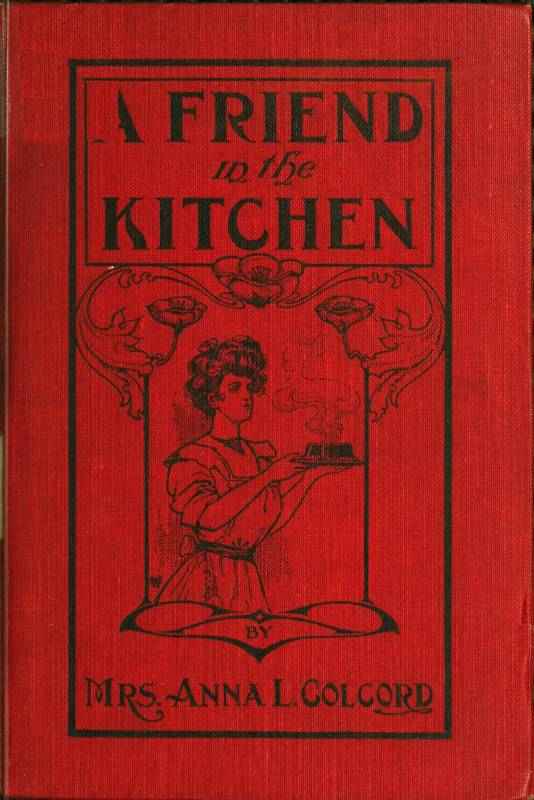 A friend in the kitchen
by Anna L. Colcord
A friend in the kitchen
by Anna L. Colcord
 A guide to modern cookery
by A. Escoffier
A guide to modern cookery
by A. Escoffier
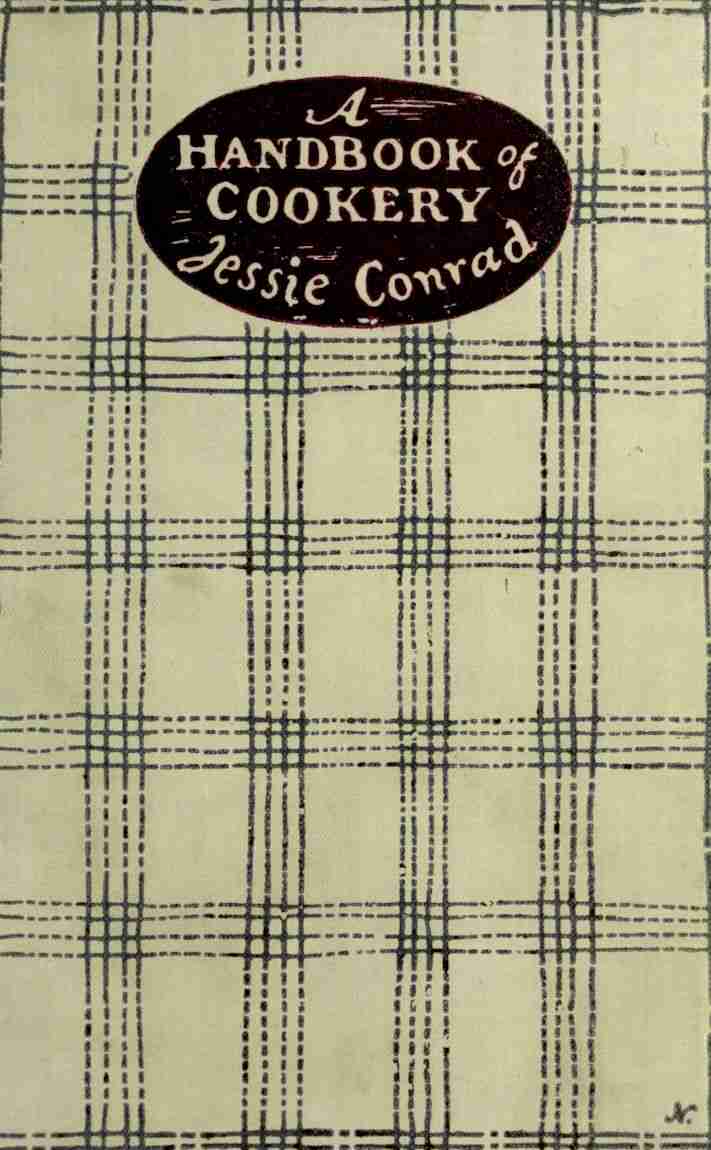 A Handbook of Cookery for a Small House
by Jessie Conrad
A Handbook of Cookery for a Small House
by Jessie Conrad
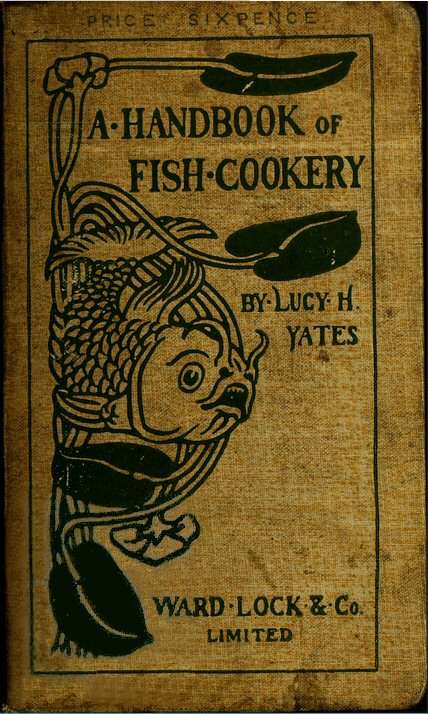 A Handbook of Fish Cookery: How to buy, dress, cook, and eat fish
by Lucy H. Yates
A Handbook of Fish Cookery: How to buy, dress, cook, and eat fish
by Lucy H. Yates