
WeRead Powered by ReaderPub
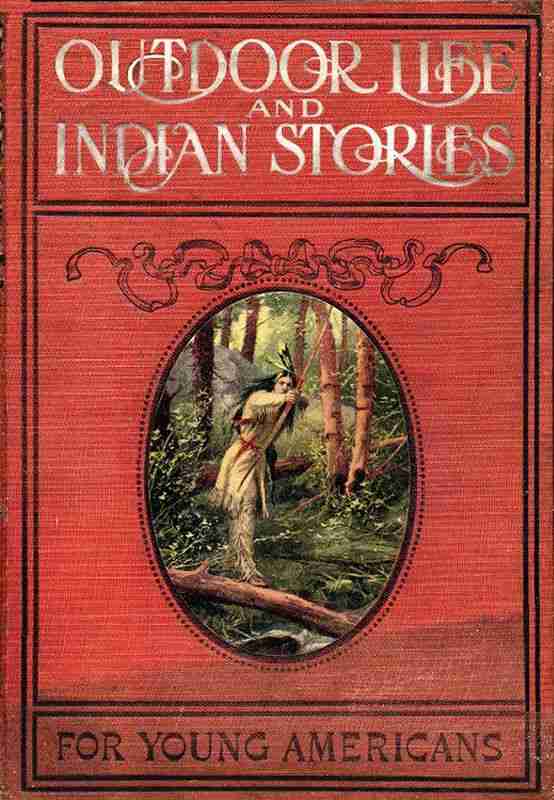
Outdoor Life and Indian Stories / Making open air life attractive to young Americans by telling them all about woodcraft, signs and signaling, the stars, fishing, camping, camp cooking, how to tie knots and how to make fire without matches, and many other fascinating open air pursuits. Also, stories of noted hunters and scouts, great indians and warriors, including Daniel Boone, Kit Carson, General Custer, Pontiac, Tecumseh, King Philip, Black Hawk, Brandt, Sitting Bull, and a host of others whose names are famous; all of them true and interesting cover

Outdoor Life and Indian Stories / Making open air life attractive to young Americans by telling them all about woodcraft, signs and signaling, the stars, fishing, camping, camp cooking, how to tie knots and how to make fire without matches, and many other fascinating open air pursuits. Also, stories of noted hunters and scouts, great indians and warriors, including Daniel Boone, Kit Carson, General Custer, Pontiac, Tecumseh, King Philip, Black Hawk, Brandt, Sitting Bull, and a host of others whose names are famous; all of them true and interesting

Chapter 2: OUTDOOR LIFE FOR YOUNG AMERICANS
Open in WeRead

About This Book

A combined how-to guide and popular history that offers practical, step-by-step outdoor instruction for young readers alongside illustrated accounts of frontier hunters, scouts, and prominent Indigenous chiefs and warriors. The instructional portion explains campcraft, lean-to construction, making fire without matches, water purification, camp cooking, bow‑and‑arrow making, knotwork, trailside signs and signaling, celestial navigation, and basic first aid. The narrative sections present concise biographical sketches and episodic tales that portray encounters, campaigns, and resistance on the frontier, linking woodcraft skills to the lives and legends of notable frontier figures.

OUTDOOR LIFE FOR YOUNG AMERICANS

What boy can resist the call of the woods, the desire to know the forest and its furred and feathered inhabitants, the fish, the insects, the plants? But to gather this knowledge in safety the boy must first learn the ways of the woods, the life of the camper, how to cook and find his way by the stars, how to tie knots and what to do in case of accident, the language of signs and the secrets of the trail. There is no better way to do this than to study the methods of the Indians, the most expert woodsmen the world has known. At their call the forest produced food, drink, clothes, ornaments and all the necessities of life. Let us see how they managed this.

THE CAMP