
WeRead Powered by ReaderPub
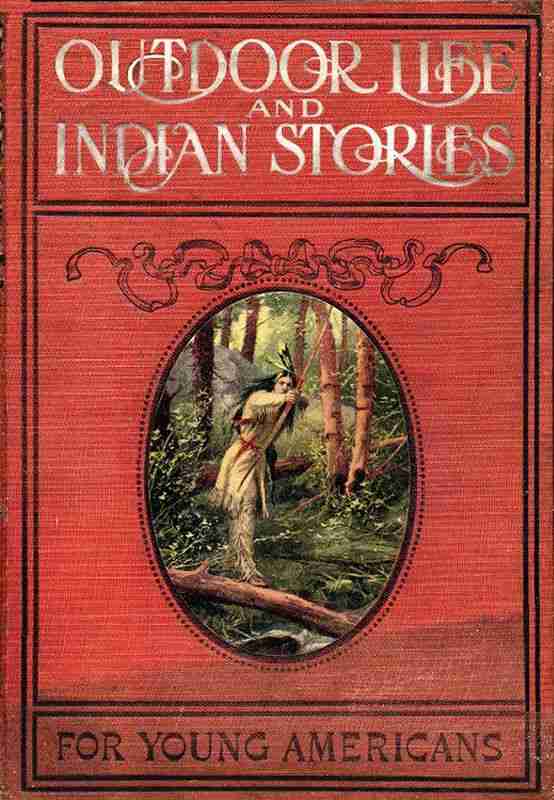
Outdoor Life and Indian Stories / Making open air life attractive to young Americans by telling them all about woodcraft, signs and signaling, the stars, fishing, camping, camp cooking, how to tie knots and how to make fire without matches, and many other fascinating open air pursuits. Also, stories of noted hunters and scouts, great indians and warriors, including Daniel Boone, Kit Carson, General Custer, Pontiac, Tecumseh, King Philip, Black Hawk, Brandt, Sitting Bull, and a host of others whose names are famous; all of them true and interesting cover

Outdoor Life and Indian Stories / Making open air life attractive to young Americans by telling them all about woodcraft, signs and signaling, the stars, fishing, camping, camp cooking, how to tie knots and how to make fire without matches, and many other fascinating open air pursuits. Also, stories of noted hunters and scouts, great indians and warriors, including Daniel Boone, Kit Carson, General Custer, Pontiac, Tecumseh, King Philip, Black Hawk, Brandt, Sitting Bull, and a host of others whose names are famous; all of them true and interesting

Chapter 3: Making a Camp
Open in WeRead

About This Book

A combined how-to guide and popular history that offers practical, step-by-step outdoor instruction for young readers alongside illustrated accounts of frontier hunters, scouts, and prominent Indigenous chiefs and warriors. The instructional portion explains campcraft, lean-to construction, making fire without matches, water purification, camp cooking, bow‑and‑arrow making, knotwork, trailside signs and signaling, celestial navigation, and basic first aid. The narrative sections present concise biographical sketches and episodic tales that portray encounters, campaigns, and resistance on the frontier, linking woodcraft skills to the lives and legends of notable frontier figures.

Making a Camp

METHOD OF THATCHING A LEAN-TO

The first thing to be considered on going into the forest is the camp where the night is to be spent. In choosing a place for this see that there is fresh water, wood for the fire and brush-wood for building a "lean-to," or hut, at hand. It is well to build on a dry, level place, with just enough slope to the ground to insure the water running away in case of rain. The Indians used to live in huts thatched with brush-wood, and these are best made by building what is known as a "lean-to." Look for two trees standing from eight to ten feet apart on your camping place, with branches from six to eight feet above the ground. By placing a pole from one tree to the other in the crotches and leaning other poles against this one, brush-wood can be woven in to form a very good roof. Branches of the balsam or hemlock are best for this purpose, and the needles should point down. It is well to collect as many soft, thick tips of trees of this character as possible, both for the thatching and to make the beds. Cover the floor of the "lean-to" with these tips thickly and lay the rubber blankets on top, rubber side down. Be sure to make the head of your bed toward the inside and away from the opening. You will find that this makes a very comfortable bed.

HOW TO BUILD A LEAN-TO