
WeRead Powered by ReaderPub
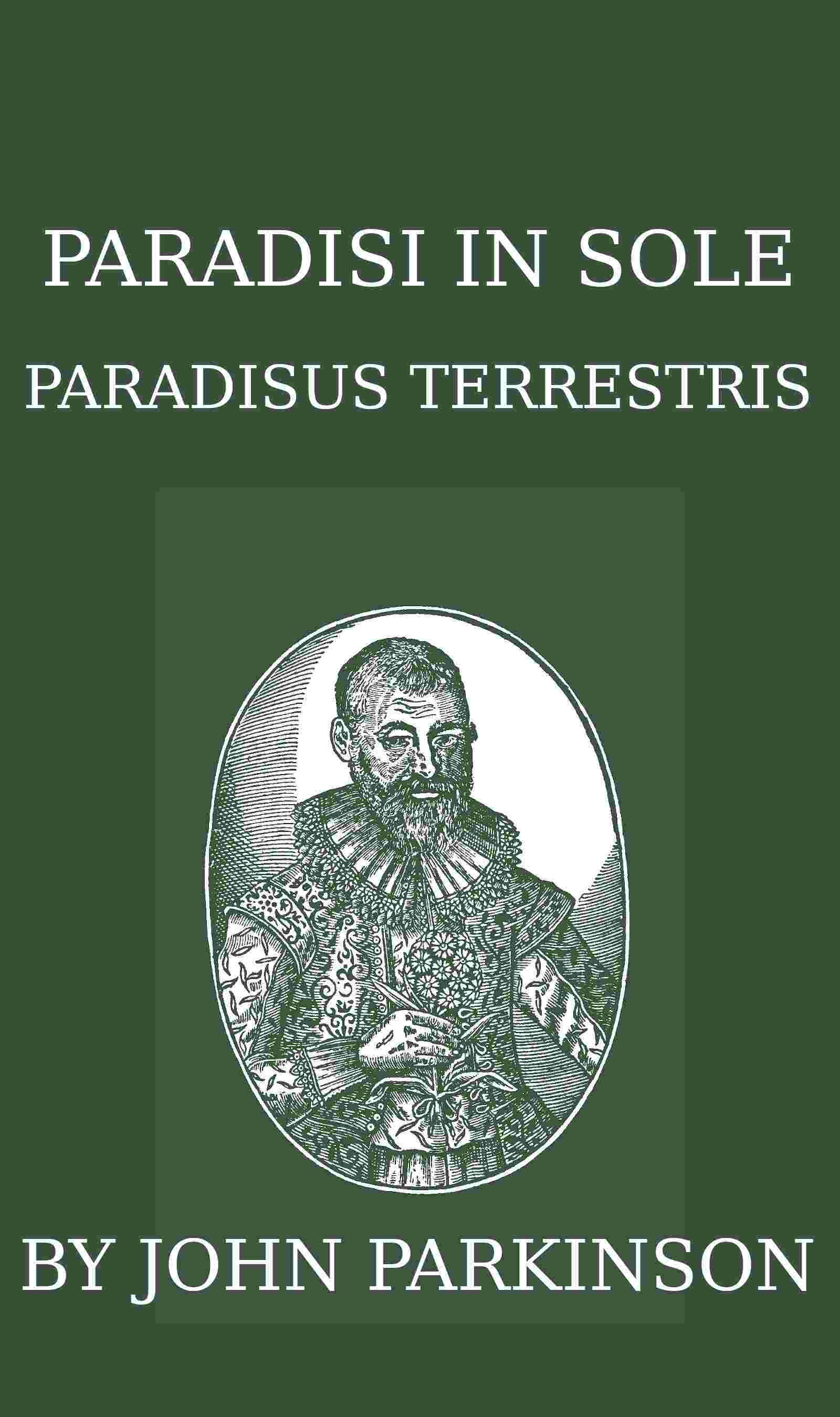
Paradisi in sole paradisus terrestris, or, A garden of all sorts of pleasant flowers which our English ayre will permitt to be noursed vp / a kitchen garden of all manner of herbes, rootes & fruites for meate or sauce vsed with vs, and, an orchard of all sorte of fruitbearing trees and shrubbes fit for our land, together with the right orderinge, planting & preseruing of them and their vses & vertues cover

Paradisi in sole paradisus terrestris, or, A garden of all sorts of pleasant flowers which our English ayre will permitt to be noursed vp / a kitchen garden of all manner of herbes, rootes & fruites for meate or sauce vsed with vs, and, an orchard of all sorte of fruitbearing trees and shrubbes fit for our land, together with the right orderinge, planting & preseruing of them and their vses & vertues

Chapter 116: Chapter 56: Double wilde Pelletory
Open in WeRead

About This Book

A comprehensive early modern gardening manual compiled by an apothecary that offers cultivation and management advice for ornamental flowers, kitchen herbs, vegetables, and fruit trees suited to English climates. It provides practical instructions on planting, propagation, pruning, harvesting, preservation, and seasonal care for beds, borders, nurseries, and orchards. The text describes the uses and virtues of many plants, treating culinary, household, and medicinal applications alongside instructions for layout and long‑term maintenance. Interspersed reflections connect horticultural practice to moral and aesthetic observations about nature and transience, making the work both a hands‑on reference and a repository of plant lore and practical recipes.

Chap. LVI.
Ptarmica siluestris flore pleno. Double wilde Pelletory.

The double wilde Pelletorie hath straight and slender stalkes, beset with long and narrow leaues, snipt round about the edges, in all points like vnto the single wilde kinde, that groweth common with vs almost euery where: on the toppes of the stalkes stand foure or fiue, or more white flowers, one aboue another, with a greene leafe at the bottome of the footestalke of euery one of them, beeing small, thicke, and very double, with a little yellowishnesse in the middle of euery flower, like both for forme and colour vnto the flower of the double Featherfew, but smaller: the rootes are many long strings, running here and there in the ground: this hath no smell at all, but is delightsome only for the double white flowers.

The Place.

It is only cherished in some few Gardens, for it is very rare.

The Time.

It flowreth in the end of Iune or thereabouts.

The Names.

It is called of most Ptarmica, or Sternutamentoria, of his qualitie to prouoke neesing: and some Pyrethrum, of the hot biting taste. We vsually call it double wilde Pelletorie, and some Sneesewort, but Elleborus albus is vsually so called, and I would not two things should be called by one name, for the mistaking and mis-using of them.

The Vertues.

The properties hereof, no doubt, may well bee referred to the single kinde, beeing of the same qualitie, yet as I take it, a little more milde and temperate.