

About This Book
The narrative recounts the final hours of a philosopher facing execution, as he calmly dialogues with friends about the nature and fate of the soul. Through dialectical proofs — including arguments from opposites, the soul’s affinity with eternal Forms, and recollection — he defends the soul’s continued existence after bodily death, answers objections raised by Simmias and Cebes, and considers ethical consequences of dying philosophically. The discussion mixes rigorous argument, mythic description of the afterlife, and practical rituals for a good death, presenting philosophy as preparation for dying and contrasting the body’s changeable nature with the soul’s purported permanence.
About the Author

More Books by This Author
6 picks




You May Also Like
6 picks
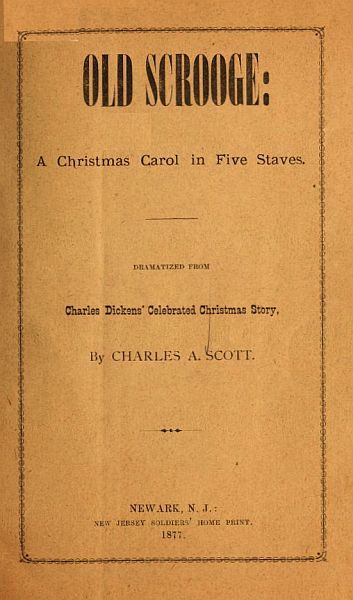 "Old Scrooge": A Christmas Carol in Five Staves. / Dramatized from Charles Dickens' Celebrated Christmas Story.
by Charles Augustus Scott
"Old Scrooge": A Christmas Carol in Five Staves. / Dramatized from Charles Dickens' Celebrated Christmas Story.
by Charles Augustus Scott
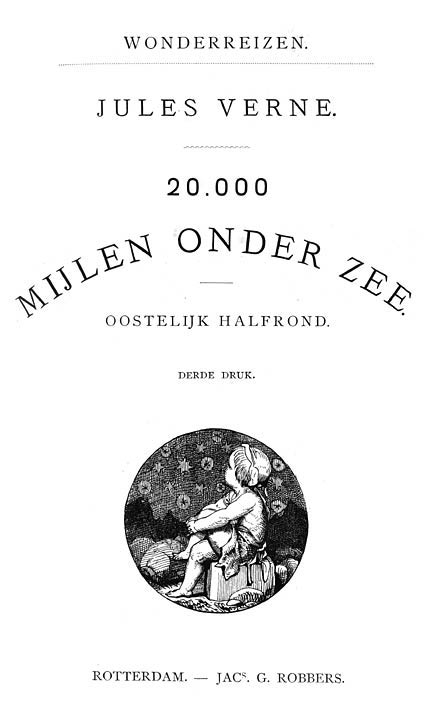 20.000 Mijlen onder Zee: Oostelijk Halfrond
by Jules Verne
20.000 Mijlen onder Zee: Oostelijk Halfrond
by Jules Verne
 20.000 Mijlen onder Zee: Westelijk Halfrond
by Jules Verne
20.000 Mijlen onder Zee: Westelijk Halfrond
by Jules Verne
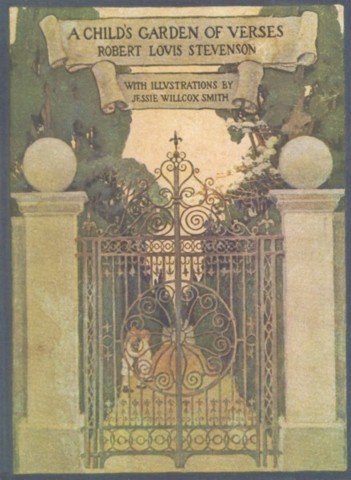 A Child's Garden of Verses
by Robert Louis Stevenson
A Child's Garden of Verses
by Robert Louis Stevenson
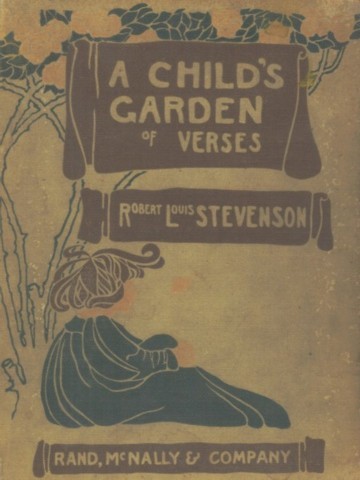 A Child's Garden of Verses
by Robert Louis Stevenson
A Child's Garden of Verses
by Robert Louis Stevenson
 A Child's Garden of Verses
by Robert Louis Stevenson
A Child's Garden of Verses
by Robert Louis Stevenson