
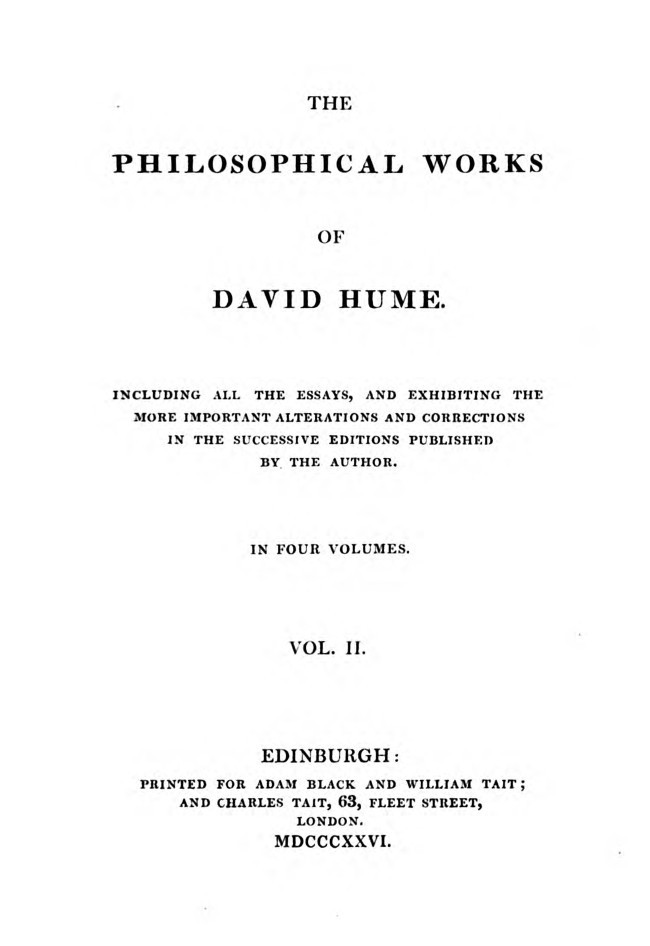
Philosophical Works, v. 2 (of 4) / Including All the Essays, and Exhibiting the More Important Alterations and Corrections in the Successive Editions Published by the Author
Explore more books like this:
About This Book
A systematic examination of human emotions and morals: the work analyzes how passions arise from impressions and ideas, explaining pride, humility, love, hatred, the will, and direct passions, and explores how imagination, custom, contiguity, and self‑regard shape motivation and behavior; it then argues that moral distinctions derive from sentiment rather than reason, analyzes justice, property, promises, government, and allegiance as social constructs tied to utility and sympathy, treats other virtues such as benevolence, chastity, and greatness of mind, and concludes with dialogues on natural religion plus an appendix reflecting on its themes.
About the Author
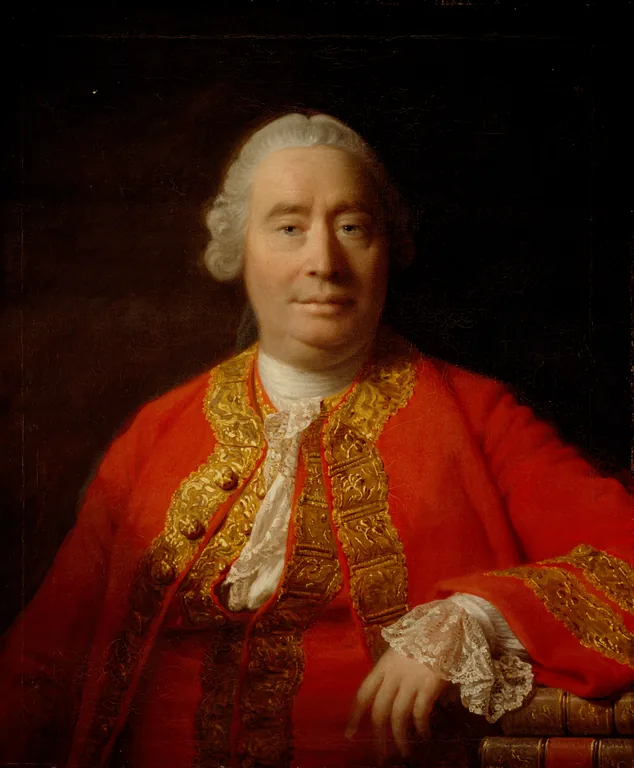
More Books by This Author
6 picks
 A History of England from Early Times: A Linked Index to the Project Gutenberg Editions
by David Hume
A History of England from Early Times: A Linked Index to the Project Gutenberg Editions
by David Hume
 A Treatise of Human Nature
by David Hume
A Treatise of Human Nature
by David Hume
 A Treatise of Human Nature / Being an Attempt to Introduce the Experimental Method Into Moral Subjects; and Dialogues Concerning Natural Religion
by David Hume
A Treatise of Human Nature / Being an Attempt to Introduce the Experimental Method Into Moral Subjects; and Dialogues Concerning Natural Religion
by David Hume
 An Enquiry Concerning Human Understanding
by David Hume
An Enquiry Concerning Human Understanding
by David Hume
 An Enquiry Concerning the Principles of Morals
by David Hume
An Enquiry Concerning the Principles of Morals
by David Hume
 Dialogues Concerning Natural Religion
by David Hume
Dialogues Concerning Natural Religion
by David Hume
You May Also Like
6 picks
 "About My Father's Business": Work Amidst the Sick, the Sad, and the Sorrowing
by Thomas Archer
"About My Father's Business": Work Amidst the Sick, the Sad, and the Sorrowing
by Thomas Archer
 "Beautiful Thoughts"
by Henry Drummond
"Beautiful Thoughts"
by Henry Drummond
 "Bethink Yourselves!"
by graf Leo Tolstoy
"Bethink Yourselves!"
by graf Leo Tolstoy
 "How Can I Help to Abolish Slavery?" or, Counsels to the Newly Converted
by Maria Weston Chapman
"How Can I Help to Abolish Slavery?" or, Counsels to the Newly Converted
by Maria Weston Chapman
 "I Believe" and other essays
by Guy Thorne
"I Believe" and other essays
by Guy Thorne
 "Imperialism" and "The Tracks of Our Forefathers"
by Charles Francis Adams
"Imperialism" and "The Tracks of Our Forefathers"
by Charles Francis Adams