
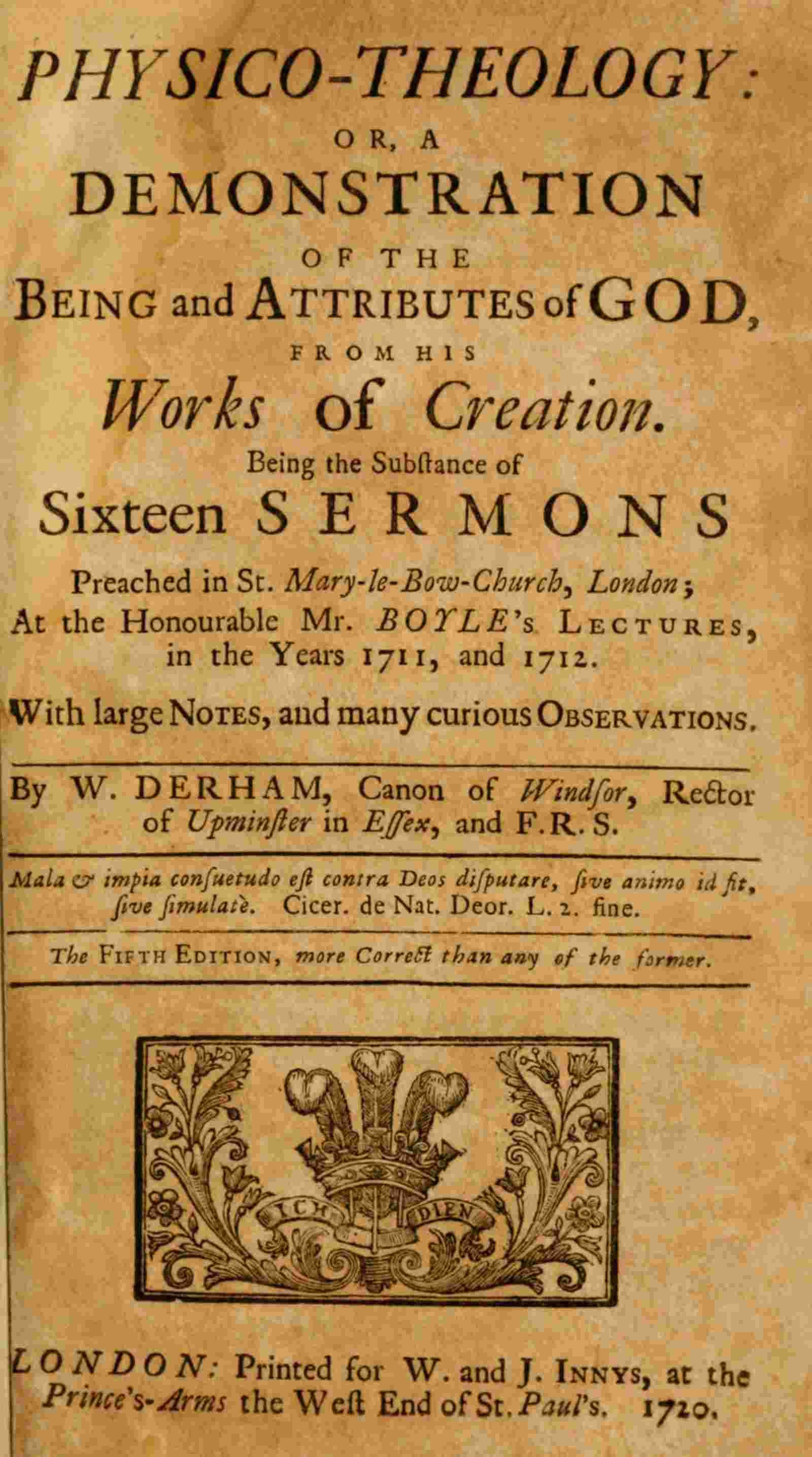
CHAP. I.
Of the Soils and Moulds in the Earth.
The various Soils and Moulds are an admirable and manifest Contrivance of the All-wise Creator, in making this Provision for the various Vegetables[a], and divers other Uses of the Creatures. For, as some Trees, some Plants, some Grains dwindle and die in a disagreeable Soil, but thrive and flourish in others; so the All-wise Creator hath amply provided for every Kind a proper Bed.
If some delight in a warm, some a cold Soil; some in a lax or sandy, some a heavy or clayie Soil; some in a Mixture of both, some in this, and that and the other Mould, some in moist, some in dry Places[b]; still we find Provision enough for all these Purposes: Every Country abounding with its proper Trees and Plants[c], and every Vegetable flourishing and gay, somewhere or other about the Globe, and abundantly answering the Almighty Command of the Creator, when the Earth and Waters were ordered to their peculiar Place, Gen. i. 11. And God said, Let the Earth bring forth Grass, the Herb yielding Seed, and the Tree yielding Fruit after his kind. All which we actually see is so.
To this Convenience which the various Soils that coat the Earth are of to the Vegetables, we may add their great Use and Benefit to divers Animals, to many Kinds of Quadrupeds, Fowls, Insects, and Reptiles, who make in the Earth their Places of Repose and Rest, their Retreat in Winter, their Security from their Enemies, and their Nests to repose their Young; some delighting in a lax and pervious Mould, admitting them an easy Passage; and others delighting in a firmer and more solid Earth, that will better secure them against Injuries from without.
FOOTNOTES:
[a] It is not to be doubted, that although Vegetables delight in peculiar Soils, yet they owe not their Life and Growth to the Earth it self, but to some agreeable Juices or Salts, &c. residing in the Earth. Of this the great Mr. Boyl hath given us some good Experiments. He ordered his Gardener to dig up, and dry in an Oven some Earth fit for the Purpose, to weigh it, and to set therein some Squash Seeds, (a kind of Indian Pompion). The Seeds when sown were watered with Rain or Spring-water only. But although a Plant was produced in one Experiment of near 3 l. and in another of above 14 l. yet the Earth when dried, and weighed again, was scarce diminished at all in its Weight.
Another Experiment he alledges is of Helmont’s, who dried 200 l. of Earth, and therein planted a Willow weighing 5 l. which he watered with Rain or distilled Water: And to secure it from any other Earth getting in, he covered it with a perforated Tin Cover. After five Years, weighing the Tree with all the Leaves it had born in that time, he found it to weigh 169 l. 3 Ounces, but the Earth to be diminished only about 2 Ounces in its weight. Vid. Boyl’s Scept. Chym. Part 2. pag. 114.
[b] Τοὺς δὲ τόπους ζητεῖ τοὺς ὀικείους, οὐ μόνον τὰ περιττὰ——Τῶν δένδρων, &c. Τὰ μὲν γὰρ φιλεῖ ξηροὺς, τὰ δὲ ἐνύδρους, τὰ δὲ χειμερινοὺς, τὰ δὲ προσήλους, τὰ δὲ παλισκίους, καὶ ὅλως, τὰ μὲν ὀρεινοὺς, τὰ δὲ ἑλώδεις.——Ζητεῖ γὰρ τὰ πρόσφορὰ κατὰ τὴν κράσιν, ἕτι δὲ ἀσθενῆ, καὶ ἰσχυρὰ, καὶ βαθύῤῥιζα, καὶ ἐπιπολαιόῤῥιζα, καὶ ἔστις ἄλλη διαφορὰ κατὰ τὰ μέρη·——Πάντα γὰρ ταῦτα, ἔτι δὲ τὰ ὅμοια ζητεῖ τὸ ὅμοιον, καὶ τὰ ἀνόμοια μὴ τὸν αὐτὸν, ὅταν ᾖ τις παραλλαγὴ τῆς φύσεως. Theophrast. de Caus. Plant. l. 2. c. 9.