
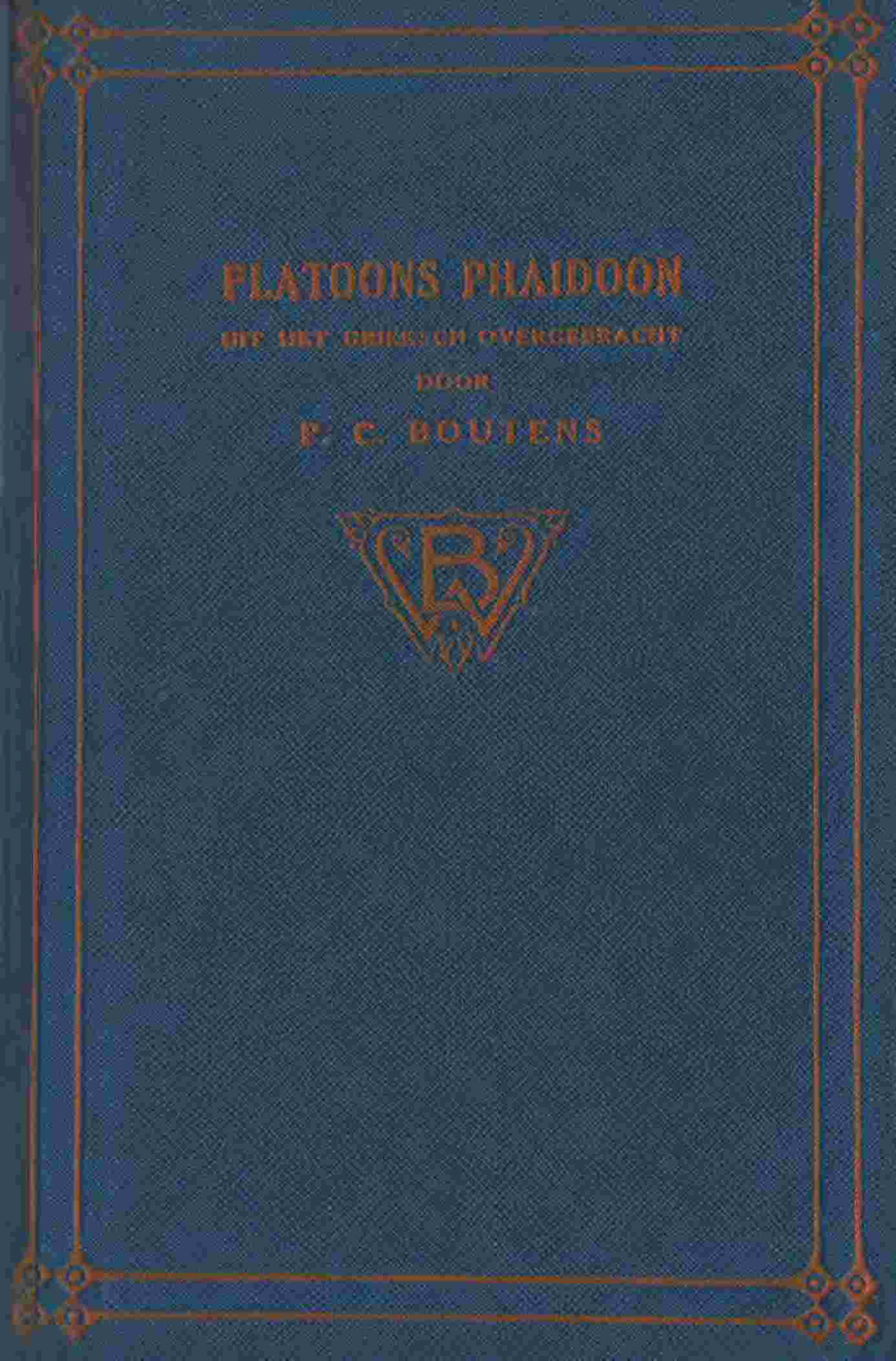
About This Book
A first-person narrator relays the last conversations held in prison before Socrates' execution, where friends probe whether the soul survives death. Through a sequence of philosophical arguments—appeals to cyclical processes, recollection, affinity with the unchanging, and the pursuit of forms—they examine the soul's nature, knowledge, and moral purification. The discourse links metaphysics and ethics, arguing that philosophical practice prepares one for death by detaching the soul from bodily concerns. The account ends with a calm acceptance of execution and reflections that portray death as a transformation or release rather than mere annihilation.
About the Author

More Books by This Author
6 picks




You May Also Like
6 picks
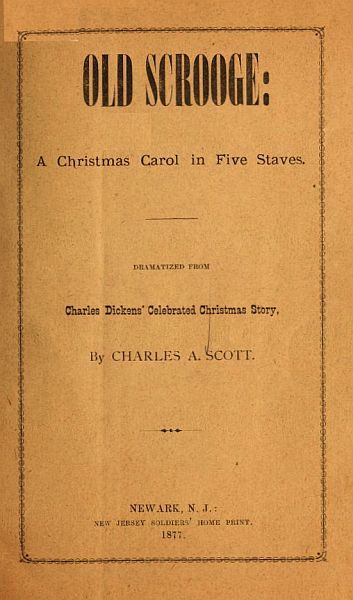 "Old Scrooge": A Christmas Carol in Five Staves. / Dramatized from Charles Dickens' Celebrated Christmas Story.
by Charles Augustus Scott
"Old Scrooge": A Christmas Carol in Five Staves. / Dramatized from Charles Dickens' Celebrated Christmas Story.
by Charles Augustus Scott
 20.000 Mijlen onder Zee: Oostelijk Halfrond
by Jules Verne
20.000 Mijlen onder Zee: Oostelijk Halfrond
by Jules Verne
 20.000 Mijlen onder Zee: Westelijk Halfrond
by Jules Verne
20.000 Mijlen onder Zee: Westelijk Halfrond
by Jules Verne
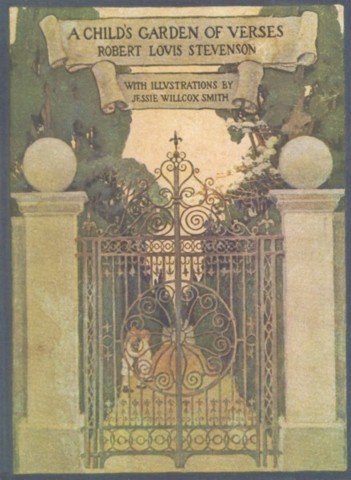 A Child's Garden of Verses
by Robert Louis Stevenson
A Child's Garden of Verses
by Robert Louis Stevenson
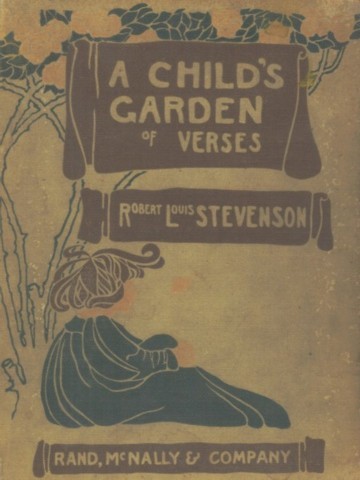 A Child's Garden of Verses
by Robert Louis Stevenson
A Child's Garden of Verses
by Robert Louis Stevenson
 A Child's Garden of Verses
by Robert Louis Stevenson
A Child's Garden of Verses
by Robert Louis Stevenson