

Plunkitt of Tammany Hall: a series of very plain talks on very practical politics, delivered by ex-Senator George Washington Plunkitt, the Tammany philosopher, from his rostrum—the New York County court house bootblack stand; Recorded by William L. Riordon
Explore more books like this:
About This Book
A collection of plainspoken talks by a Tammany Hall district leader that explains practical machine politics, distinguishing honest graft from dishonest graft and defending patronage as an instrument of power. It outlines concrete tactics for winning and holding districts—recruiting through social clubs, delivering jobs and favors, and attending to immediate neighborhood needs—while criticizing civil service reform and proposing municipal ownership only under conditions that preserve local control. The essays reflect on party loyalty, electoral strategy, and the routine mechanics of urban political life, delivered in colloquial, anecdotal prose that emphasizes pragmatic action over reformist theory.
About the Author

You May Also Like
6 picks
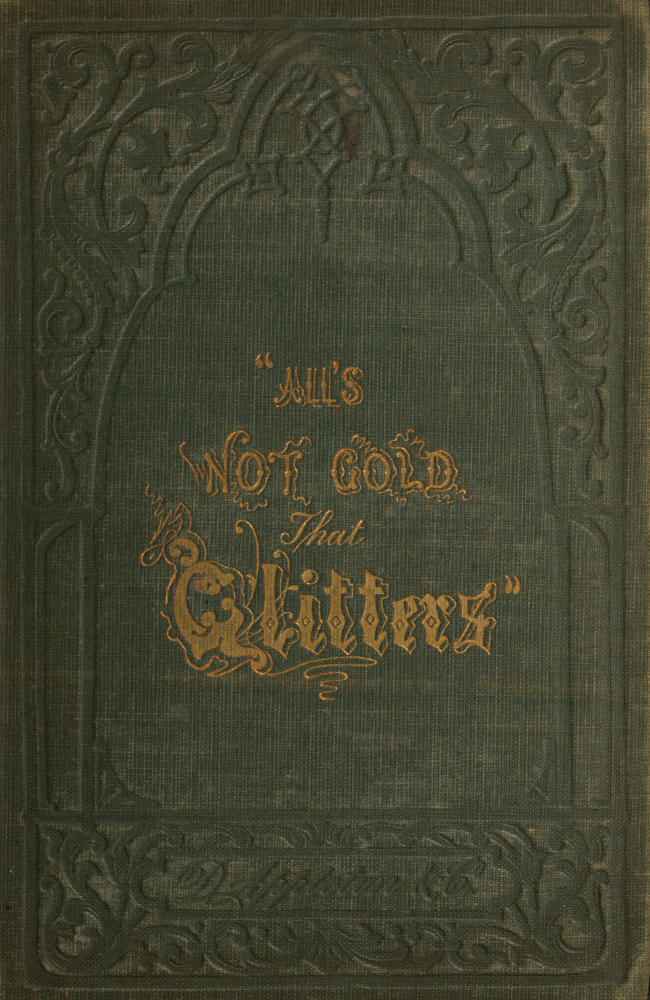 "All's not Gold that Glitters;" or, The Young Californian
by Alice B. Haven
"All's not Gold that Glitters;" or, The Young Californian
by Alice B. Haven
 "Bring Me His Ears"
by Clarence Edward Mulford
"Bring Me His Ears"
by Clarence Edward Mulford
 "Browne's Folly" / (From: "The Doliver Romance and Other Pieces: Tales and Sketches")
by Nathaniel Hawthorne
"Browne's Folly" / (From: "The Doliver Romance and Other Pieces: Tales and Sketches")
by Nathaniel Hawthorne
 "Forward, March": A Tale of the Spanish-American War
by Kirk Munroe
"Forward, March": A Tale of the Spanish-American War
by Kirk Munroe
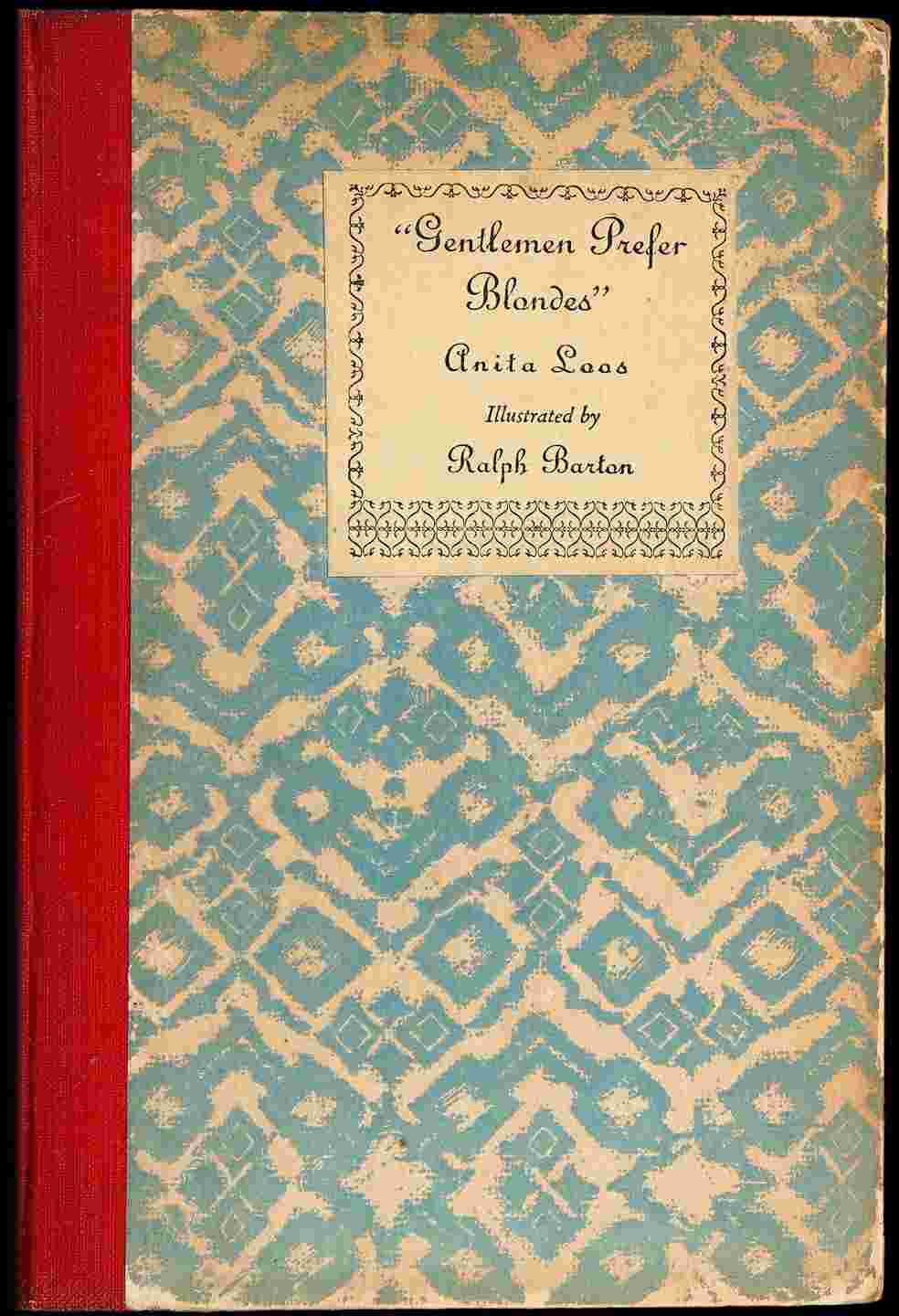 "Gentlemen prefer blondes"
by Anita Loos
"Gentlemen prefer blondes"
by Anita Loos
 "George Washington's" Last Duel / 1891
by Thomas Nelson Page
"George Washington's" Last Duel / 1891
by Thomas Nelson Page