
Principles of Political Economy / Abridged with Critical, Bibliographical, and Explanatory Notes, and a Sketch of the History of Political Economy
Explore more books like this:
About This Book
The work presents a systematic survey of political economy, beginning with production—its requisites of labor, capital, and land—and distinguishing productive from unproductive labor, circulating and fixed capital, and the role of saving. It analyzes factors that raise productivity, the laws governing the growth of population, capital, and agricultural output, and the distribution of income into wages, profits, and rent. Later sections treat money, value, taxation, government influence, and contemporary controversies such as wages, socialism, bimetallism, and paper currency. An introductory history of economic thought, critical and bibliographical notes, American illustrations, charts, and teaching aids accompany the abridged text.
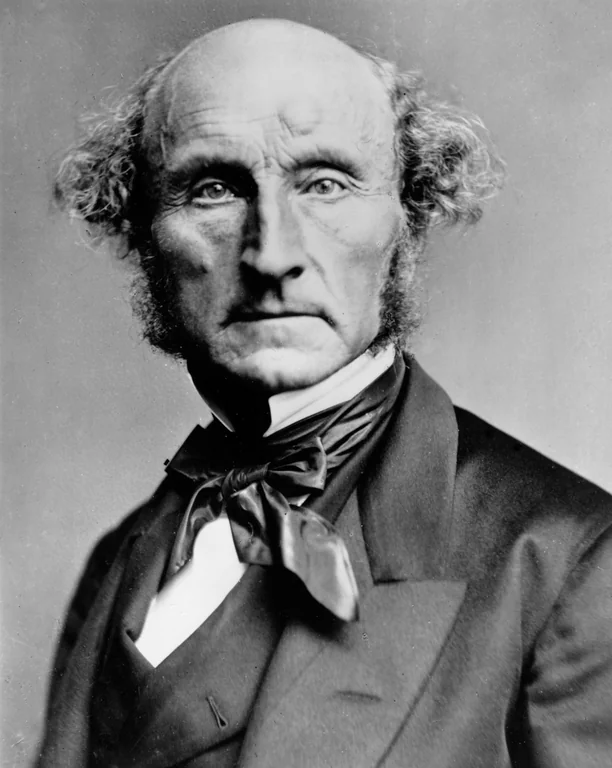
About the Author
More Books by This Author
 A System of Logic, Ratiocinative and Inductive
by John Stuart Mill
A System of Logic, Ratiocinative and Inductive
by John Stuart Mill
 A System of Logic, Ratiocinative and Inductive (Vol. 1 of 2)
by John Stuart Mill
A System of Logic, Ratiocinative and Inductive (Vol. 1 of 2)
by John Stuart Mill
 A System of Logic: Ratiocinative and Inductive, 7th Edition, Vol. I
by John Stuart Mill
A System of Logic: Ratiocinative and Inductive, 7th Edition, Vol. I
by John Stuart Mill
 A System of Logic: Ratiocinative and Inductive, 7th Edition, Vol. II
by John Stuart Mill
A System of Logic: Ratiocinative and Inductive, 7th Edition, Vol. II
by John Stuart Mill
 Auguste Comte and Positivism
by John Stuart Mill
Auguste Comte and Positivism
by John Stuart Mill
 Autobiography
by John Stuart Mill
Autobiography
by John Stuart Mill
You May Also Like
 A Brief History of Panics and Their Periodical Occurrence in the United States
by Clément Juglar
A Brief History of Panics and Their Periodical Occurrence in the United States
by Clément Juglar
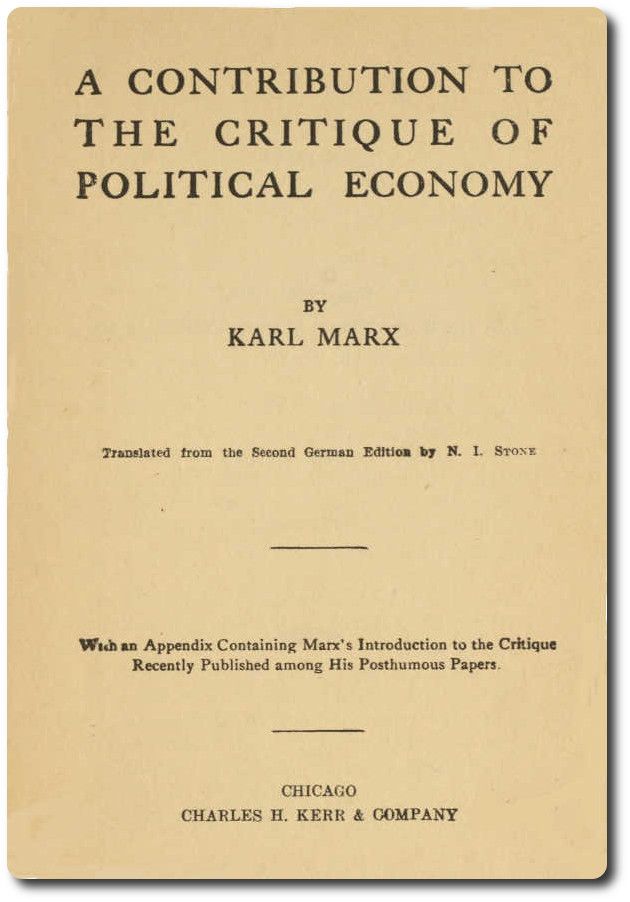 A Contribution to the Critique of Political Economy
by Karl Marx
A Contribution to the Critique of Political Economy
by Karl Marx
 A Critical Examination of Socialism
by W. H. Mallock
A Critical Examination of Socialism
by W. H. Mallock
 A Discourse on Trade, and Other Matters Relative to it
by John Cary
A Discourse on Trade, and Other Matters Relative to it
by John Cary
 A dissolução do regimen capitalista
by Teixeira Bastos
A dissolução do regimen capitalista
by Teixeira Bastos
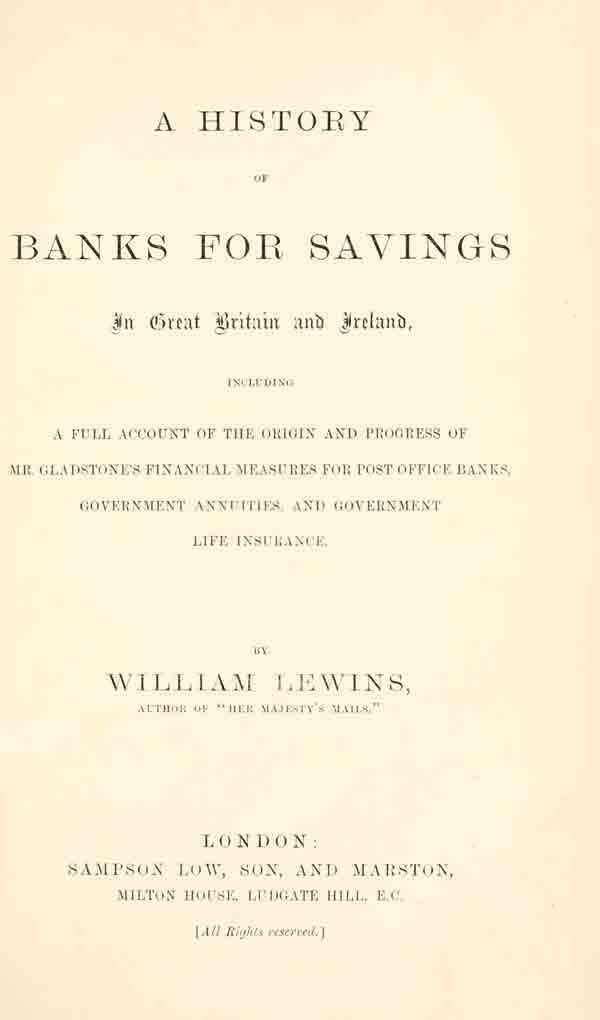 A History of Banks for Savings in Great Britain and Ireland
by William Lewins
A History of Banks for Savings in Great Britain and Ireland
by William Lewins