
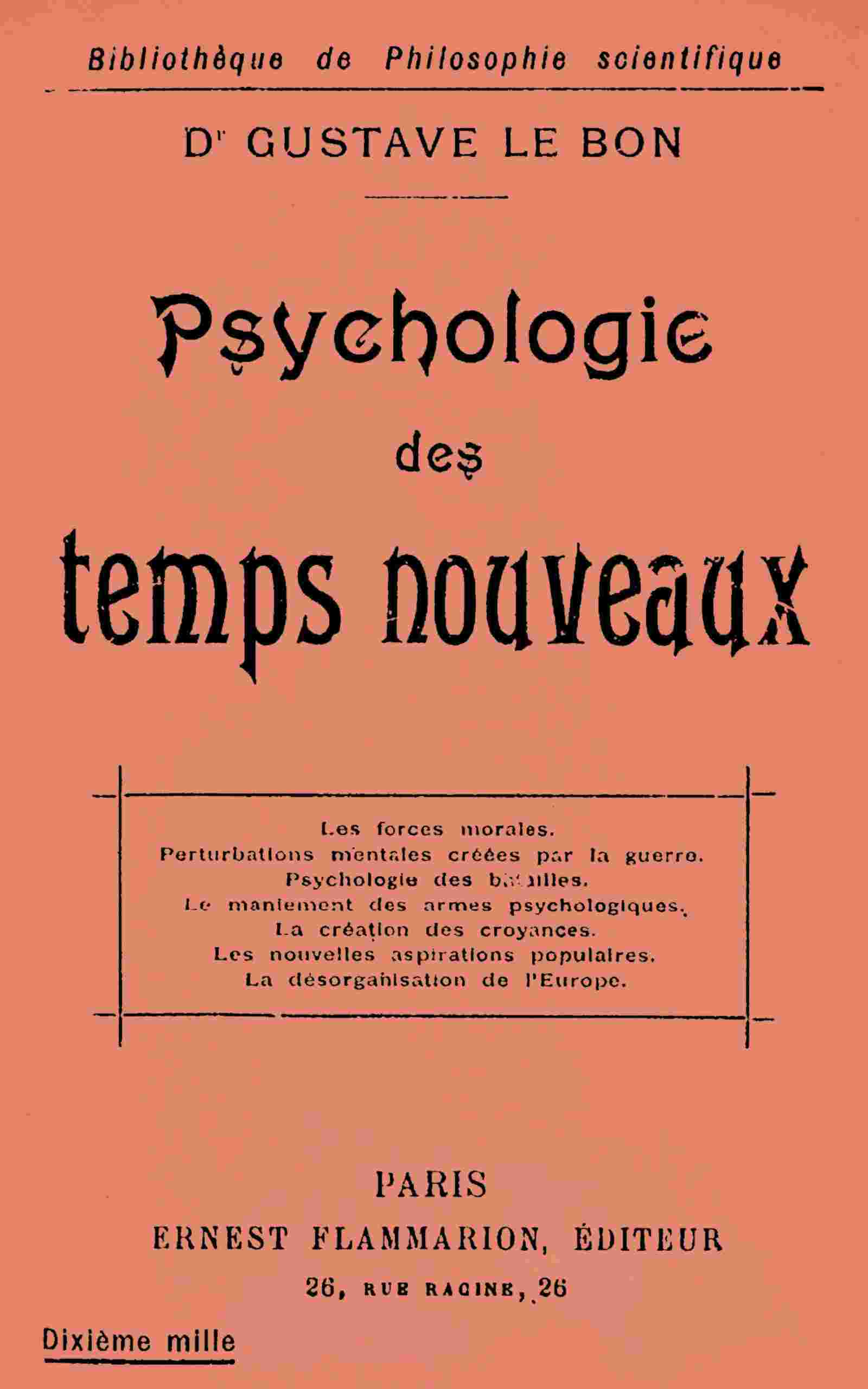
About This Book
This work examines the psychological forces shaping societies after a great modern conflict, analyzing moral influences, collective mental disturbances created by war, the mentality of battle, and the use of psychological methods. It considers how sentiments and passions mobilize material resources, how beliefs and popular aspirations are formed and propagated, and how long inherited accumulations shape group character. It argues that political, military, economic, and social questions are fundamentally psychological, and cautions that lasting social change requires attention to deep psychological conditions rather than mere administrative or legislative measures.
About the Author

More Books by This Author
6 picks
 A tömegek lélektana
by Gustave Le Bon
A tömegek lélektana
by Gustave Le Bon
 Aphorismes du temps présent
by Gustave Le Bon
Aphorismes du temps présent
by Gustave Le Bon
 Hier et demain
by Gustave Le Bon
Hier et demain
by Gustave Le Bon
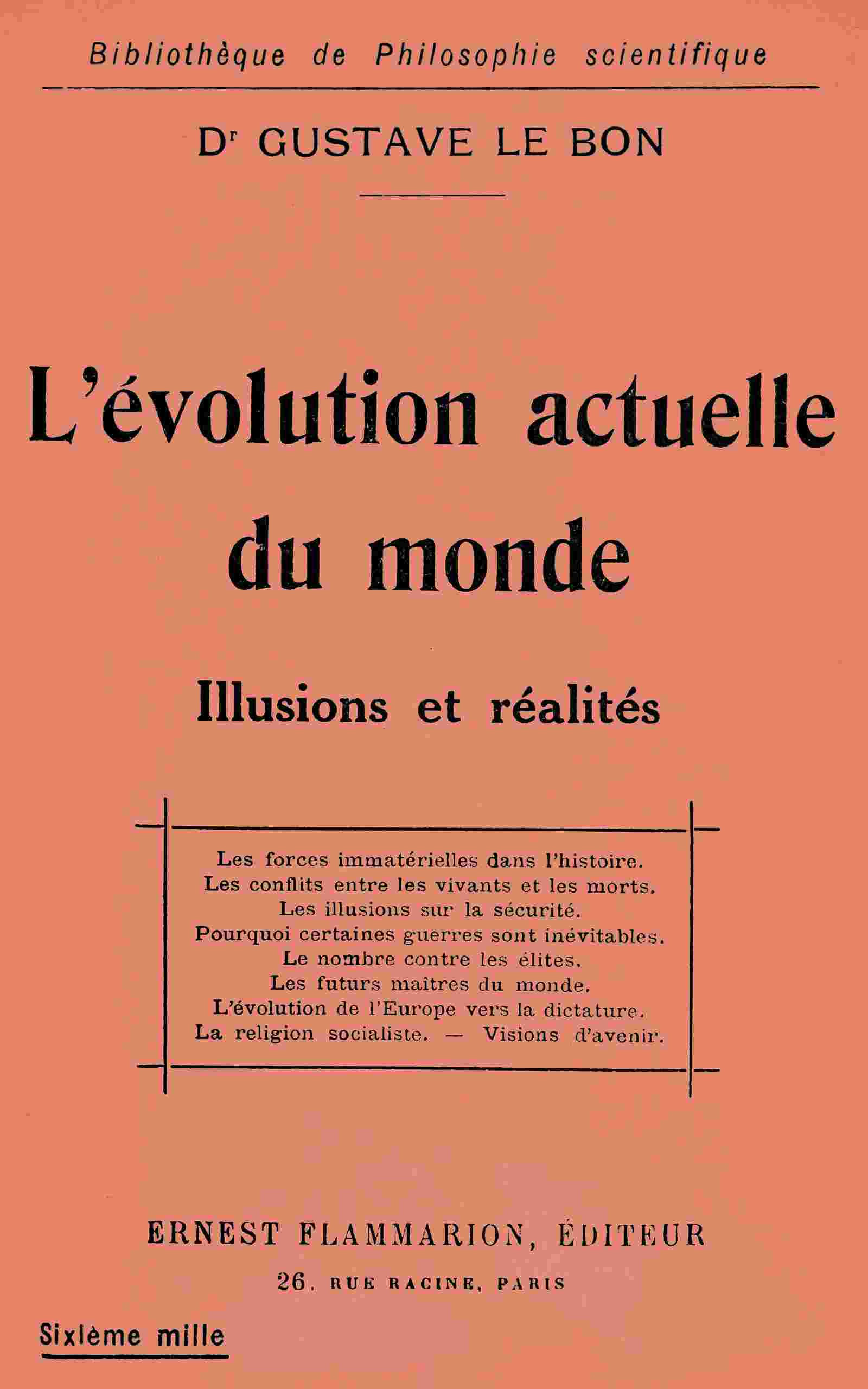 L'évolution actuelle du monde: illusions et réalités
by Gustave Le Bon
L'évolution actuelle du monde: illusions et réalités
by Gustave Le Bon
 La naissance et l'évanouissement de la matière
by Gustave Le Bon
La naissance et l'évanouissement de la matière
by Gustave Le Bon
 La Révolution Française et la psychologie des révolutions
by Gustave Le Bon
La Révolution Française et la psychologie des révolutions
by Gustave Le Bon
You May Also Like
6 picks
 "'Tis Sixty Years Since" / Address of Charles Francis Adams; Founders' Day, January 16, 1913
by Charles Francis Adams
"'Tis Sixty Years Since" / Address of Charles Francis Adams; Founders' Day, January 16, 1913
by Charles Francis Adams
 "1683-1920" / The Fourteen Points and What Became of Them—Foreign Propaganda in the Public Schools—Rewriting the History of the United States—The Espionage Act and How It Worked—"Illegal and Indefensible Blockade" of the Central Powers—1,000,000 Victims of Starvation—Our Debt to France and to Germany—The War Vote in Congress—Truth About the Belgian Atrocities—Our Treaty with Germany and How Observed—The Alien Property Custodianship—Secret Will of Cecil Rhodes—Racial Strains in American Life—Germantown Settlement of 1683 and a Thousand Other Topics
by Frederick Franklin Schrader
"1683-1920" / The Fourteen Points and What Became of Them—Foreign Propaganda in the Public Schools—Rewriting the History of the United States—The Espionage Act and How It Worked—"Illegal and Indefensible Blockade" of the Central Powers—1,000,000 Victims of Starvation—Our Debt to France and to Germany—The War Vote in Congress—Truth About the Belgian Atrocities—Our Treaty with Germany and How Observed—The Alien Property Custodianship—Secret Will of Cecil Rhodes—Racial Strains in American Life—Germantown Settlement of 1683 and a Thousand Other Topics
by Frederick Franklin Schrader
 "1812"
by Vasilïĭ Vasilʹevich Vereshchagin
"1812"
by Vasilïĭ Vasilʹevich Vereshchagin
 "Barbarous Soviet Russia"
by Isaac McBride
"Barbarous Soviet Russia"
by Isaac McBride
 "Brother Bosch", an Airman's Escape from Germany
by Gerald Featherstone Knight
"Brother Bosch", an Airman's Escape from Germany
by Gerald Featherstone Knight
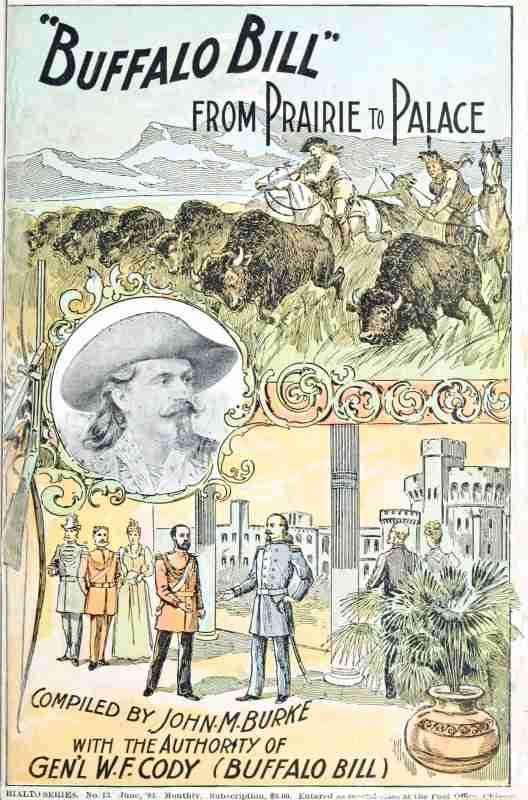 "Buffalo Bill" from Prairie to Palace: An Authentic History of the Wild West
by John M. Burke
"Buffalo Bill" from Prairie to Palace: An Authentic History of the Wild West
by John M. Burke