
Religion & Morality Vindicated, Against Hypocrisy and Pollution / Or, an Account of the Life and Character of John Church the Obelisk Preacher, Who Was Formerly a Frequenter of Vere-street, and Who Has Been Charged With Unnatural Practices in Various Places. To Which Is Annexed, a Fac-simile of a Letter, Written by Him to James Cook, Who Kept the Infamous House in Vere-street.
Explore more books like this:
About This Book
A journalistic pamphlet compiles inquiries, witness accounts, and reproduced correspondence to accuse a chapel preacher of immoral conduct and of associations with a notorious housekeeper. The editor defends publication as a duty to public morals when legal avenues appear uncertain, recounting magistrates’ involvement, community investigation, and facsimiles of letters presented as evidence. The material alternates factual narration and moral commentary, seeking to expose alleged hypocrisy by contrasting the preacher’s religious role with the behavior attributed to him and urging public awareness where private misconduct might otherwise remain concealed.
About the Author

You May Also Like
6 picks
 "Father Clark," or The Pioneer Preacher
by John Mason Peck
"Father Clark," or The Pioneer Preacher
by John Mason Peck
 "Nothing Between" / The Special Doctrines Vindicated at the Reformation as Bearing upon the Spiritual Life of the Church
by Edward Hoare
"Nothing Between" / The Special Doctrines Vindicated at the Reformation as Bearing upon the Spiritual Life of the Church
by Edward Hoare
 "Soitto on suruista tehty" / Historiallisia runoelmia: I. Pilatus. II. Piispa Tuomas.
by Antti Mäkinen
"Soitto on suruista tehty" / Historiallisia runoelmia: I. Pilatus. II. Piispa Tuomas.
by Antti Mäkinen
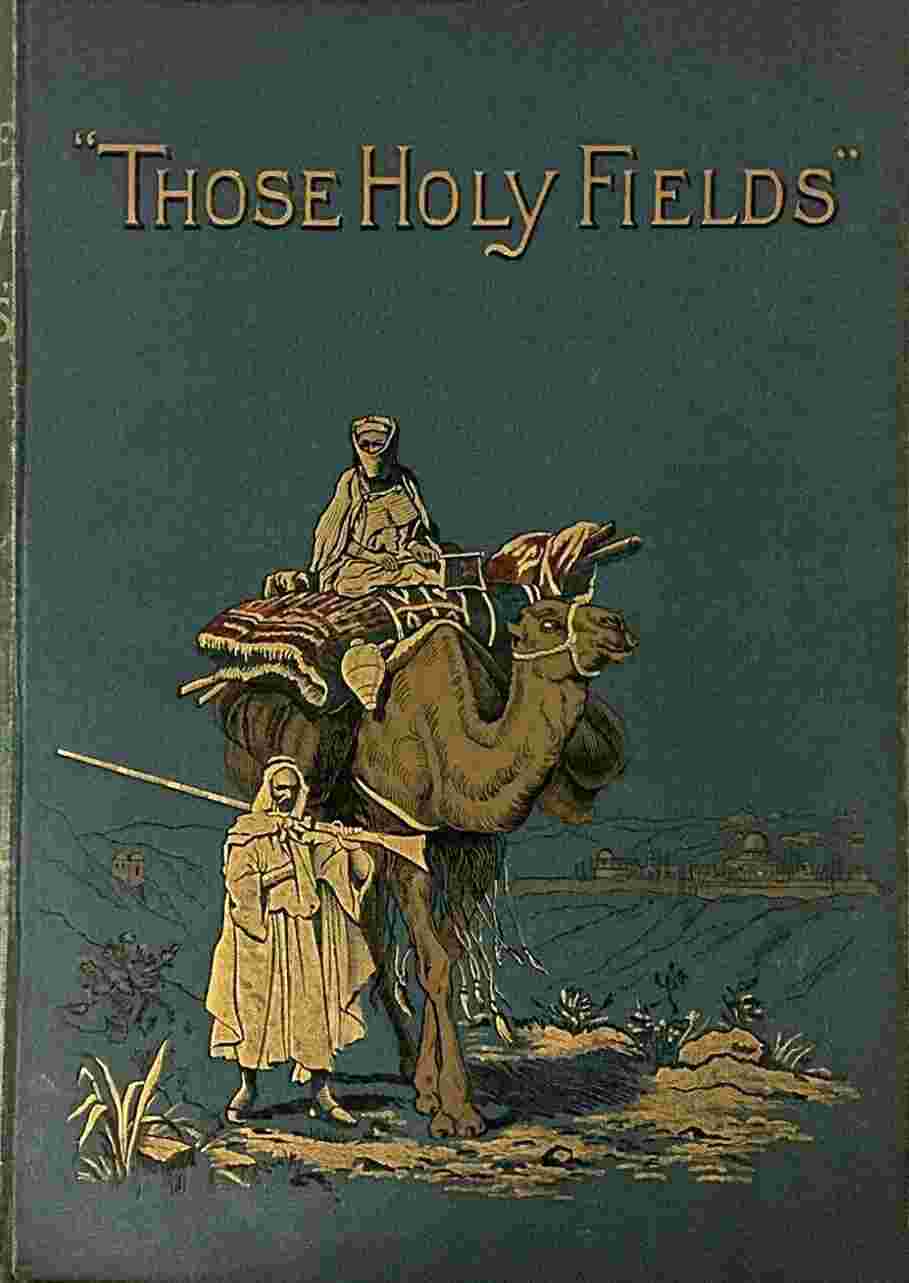 "Those Holy Fields." Palestine, Illustrated by Pen and Pencil
by Samuel Manning
"Those Holy Fields." Palestine, Illustrated by Pen and Pencil
by Samuel Manning
 A architectura religiosa na Edade Média
by Augusto Fuschini
A architectura religiosa na Edade Média
by Augusto Fuschini
 A Bible History of Baptism
by Samuel J. Baird
A Bible History of Baptism
by Samuel J. Baird