
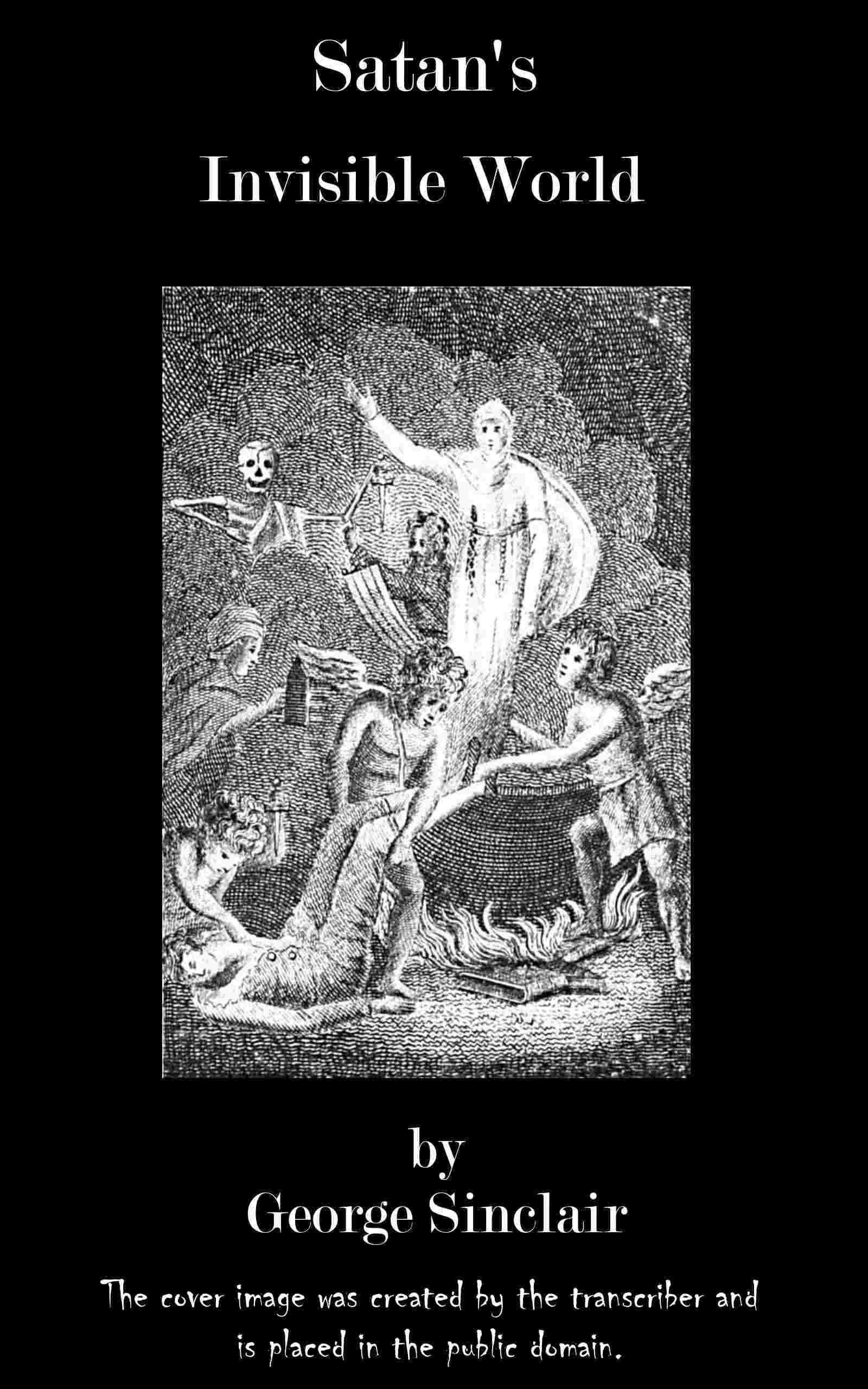
XVI.—Anent the Apparition of Sir George Villiers.
Some few days before the Duke of Buckingham went to Portsmouth, where he was stabbed by Felton, the ghost of his father Sir George Villiers appeared to one Parker, a religious and sober man, who had been a servant to the said Sir George, but now to the Duke his son. He appeared to him, I say, in his morning chamber-gown, and charged him to tell his son, that he should decline that employment and design he was going upon, or else he would certainly be murdered. Parker promised to the apparition to do it. The Duke making preparation for his expedition, the apparition came again to Parker, taxing him very severely for his breach of promise, and required him not to delay the acquainting his son of the danger he was in. Then Parker the next day tells the Duke, “That his father’s ghost had twice appeared to him, and had commanded him, without any farther delay, to give him that warning.” The Duke slighted it, and told him, “That he was an old doting fool.” That night the apparition came to Parker a third time saying, “Parker thou hast done well in warning my son of his danger, but though he will not believe thee, go to him once more, however, and tell him from me by such a token, (naming a private token) which nobody knows but only he and I, that if he will not decline this voyage, such a knife as this is, (pulling a long knife out from under his gown) will be his death.” This message Parker also delivered the next day to the Duke, who, when he heard the private token, believed he had it from his father’s ghost. Yet, said he, that his honour was now at stake, and he could not go come back from what he had undertaken, come life come death. This message Parker, after the Duke’s murder, communicated to his fellow-servant Henry Celey, who told it to a reverend divine a neighbour of mine, (says my author) from whose mouth I have it. This Henry Celey has not been dead above twenty years; and his habitation for several years before his death, was at North Currie, but three miles from this place. My friend, the divine aforesaid, was an intimate acquaintance of this Henry Celey’s, and assures me he was a person of known truth and integrity.