
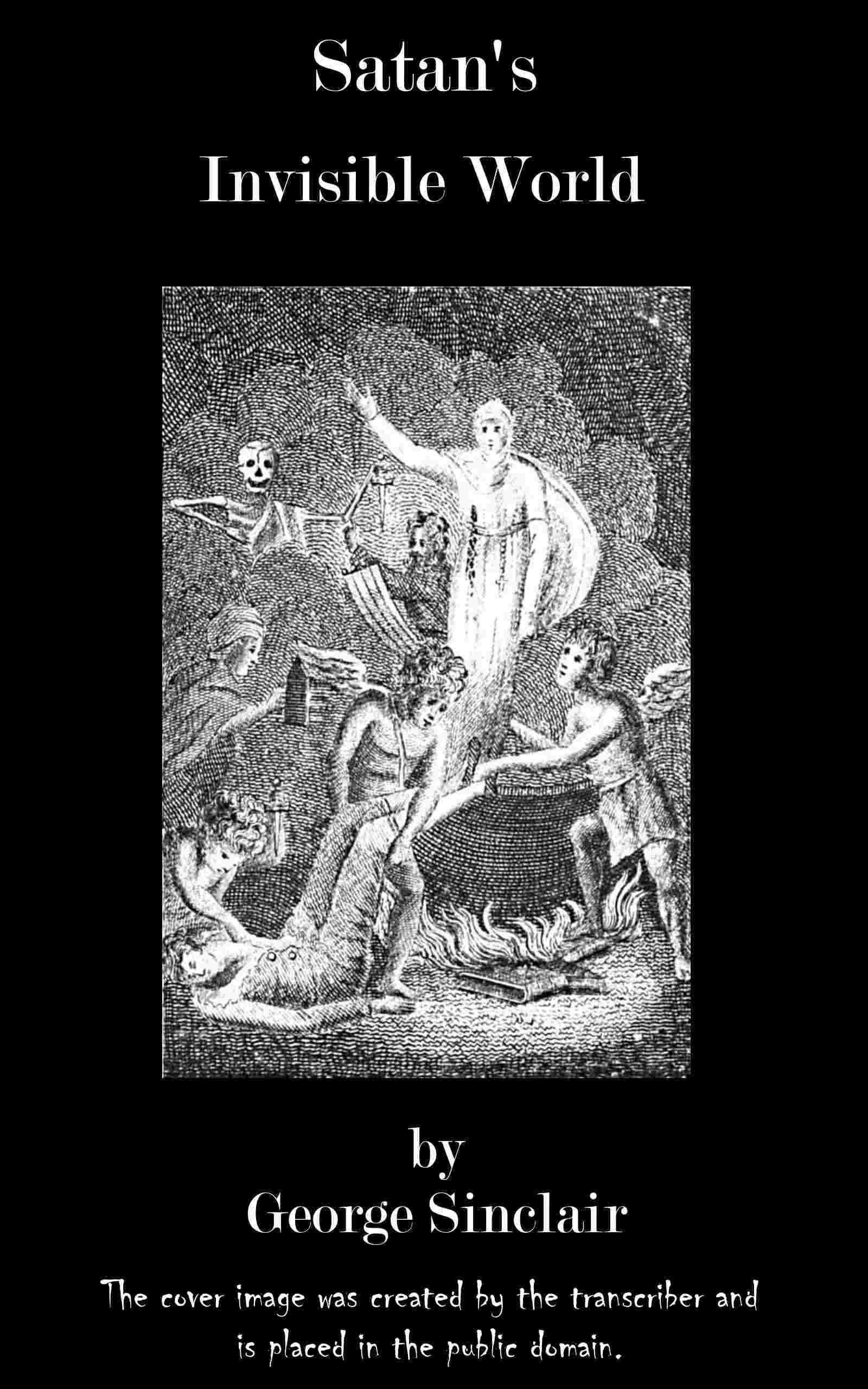
XIX.—Touching an Apothecary’s Servant that returned to the Shop after he had been dead.
This is a known passage, which happened in the year 1669, at Crossen in Silesia; that is a part in Germany, which long since was under the Polonians, but is now subject to the crown of Bohemia; the chief magistrate of that town at the time, was the princess Elizabeth Chalotta, a person famous in her generation. In the spring of the aforesaid year, one Christopher Monig, a native of Serbell, a town belonging to the princess of Anhalt, servant to an apothecary, died and was buried with the usual ceremonies of the Lutheran Church. A few days after his decease, a shape exactly like him in face, clothes, stature, mien, &c. appeared in the apothecary’s shop, where he would set himself down, and walk sometimes, and take boxes, pots, and glasses from the shelves, and set them again in other places, and sometimes try and examine the goodness of the medicines, weigh them in a pair of scales, pound the drugs with a mighty noise in the mortar: nay, serve the people that came with their bills to the shop, take their money, and lay it safe up in the counter; in a word, do all things that a journey-man in such cases used to do. He looked very ghostly upon these that had been his fellow servants, who were afraid to say any thing to him; and his master being sick at that time of the gout, he was often very troublesome to him, would take the bills that were brought to him out of his hand, snatch away the candle sometimes, and put it behind the stove. At last, he took a cloak that hung in the shop, put it on, and walked abroad, but minding no body on the streets; he entered into some of the citizens houses, and thrust himself into their company, especially of such as he had formerly known, yet saluted no body, nor spoke to any one, but to a maid servant whom he met with hard by the church-yard, and desired her to go home to his master’s house and dig in a ground chamber, where she would find inestimable treasure; but the maid, amazed at the sight of him, swooned; whereupon he lift her up, but left such a mark upon her flesh with lifting her, that it was to be seen for some time after; the maid having recovered herself, went home, but fell desperately sick upon it, and in her sickness, discovered what Monig had said to her, and accordingly they digged in the place she had named, but found nothing but one old decayed pot with an Hemarites, or blood-stone, in it. The princess hereupon caused the young man’s body to be digged up, which they found putrified, with purulent matter flowing from it: and the master being advised to remove the young man’s goods, linens, clothes, and things he left behind him when he died, out of the house, the spirit thereupon left the house, and was seen no more. And this some people now living will give their oath upon, who very well remember they saw him after his decease; and the thing being so notorious, there was instituted a public disputation about it in the academy of Leipsic, by Henry Couradus, who disputed for his doctor’s degree in the university. And this puts me in mind of an apothecary at Reichenback in Silesia, about fifteen years ago, who after his death, appeared to divers of his acquaintance, and cried out, That in his life time he had poisoned several men with his drugs; whereupon the magistrates of the town took up his body and burnt it; which being done, the spirit disappeared, and was seen no more.