
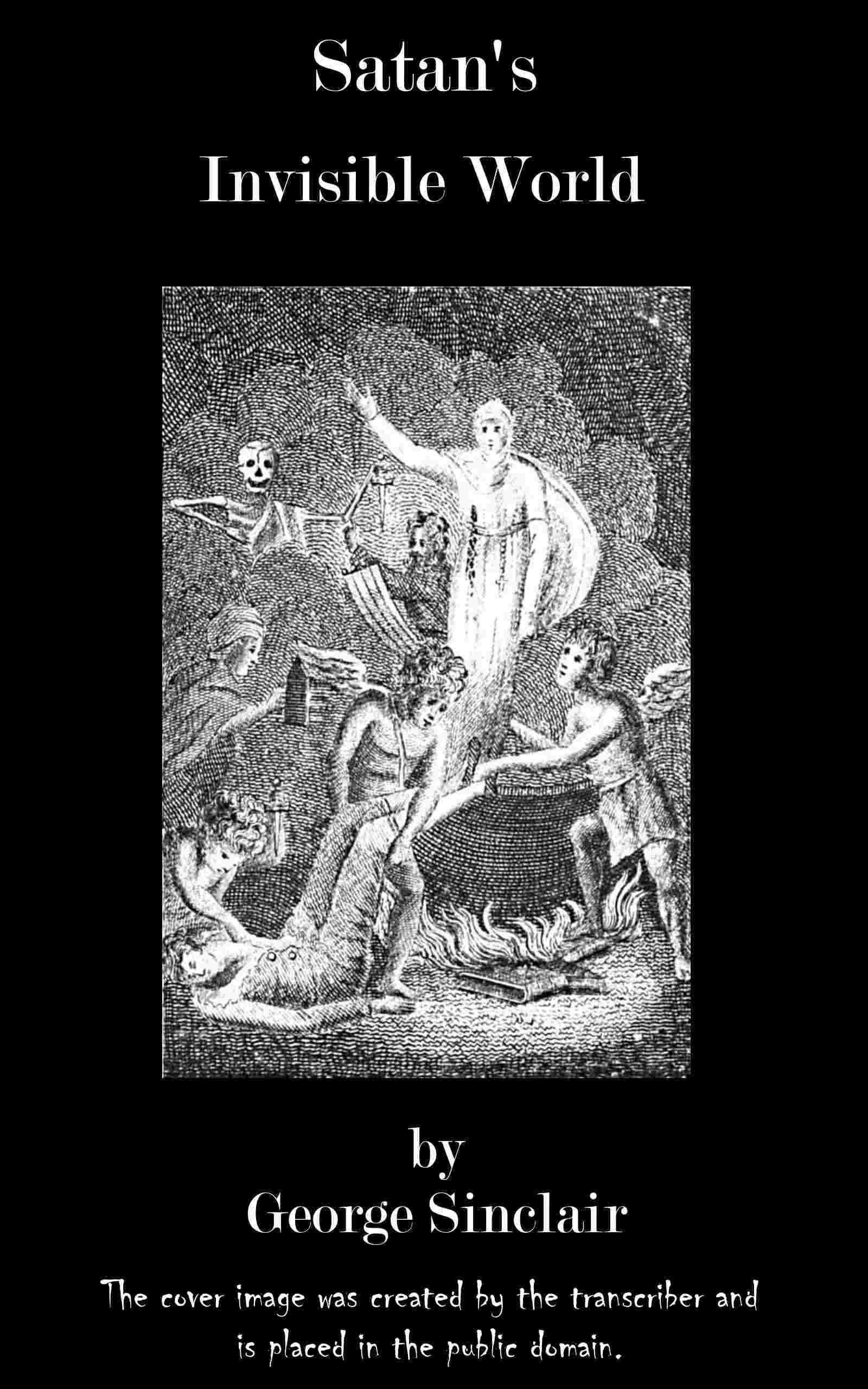
XXV.—Touching one William Barton, a Warlock.
About thirty years ago, more or less, there was one William Barton apprehended for witchcraft. His confession was, first, that if he had twenty sons, he would advise them to shun the lust of uncleanness. “For,” said he, “I never saw a beautiful woman, maid, or wife, but I coveted them, which was the only cause that brought me to be the devil’s vassal. One day, going from my own house in Kirkliston to the Queen’s Ferry, I overtook, in Denny Muir, a young gentlewoman, as to appearance, beautiful and comely. I drew near to her, but she shunned my company; and when I insisted, she became angry and very nice. Said I, since we are both going one way, be pleased to accept of a convoy: at last, after much entreaty, she grew better natured; and at length we came to that familiarity, that she suffered me to embrace her, and to do that which Christian ears ought not to hear of. At this time I parted with her very joyfully. The next night she appeared to him in that very same place; and after that which should not be named, he became sensible that it was the devil. Here he renounced his baptism, and gave up himself to her service, and she called him her beloved, and gave him the new name of John Baptist, and received the mark. She likewise bestowed £15 Scots in name of tocher, and so parted.—When he had gone a little way off, she calls him back, and gave him a mark piece in good and sufficient money, which she had him spend at the Ferry, and desired him to keep entire and whole the £15, which he declared was real and true money. He confessed, that they never met together but they played their pranks. After this confession, he begged liberty to sleep a little, which the judges granted to him. When he had sleeped a short time, he awakened with a great laughter. The judges enquired the reason; he replied, being seriously urged, That the devil had come to him, and rebuked him with anger, and threatened him most furiously that he confessed, and bade him deny all, for he should be his warrant.——After this he turned obdured, and would never, to his dying hour, acknowledge any thing, for the devil had persuaded him, even from his first engaging, That no man should take his life; which promise he firmly believed to the very last. When they told him in the prison-house, that the fire was built, and the stake was up, and the executioner coming to bring him forth, he answered, he cared not for that; for, said he, “I shall not die this day.” But the executioner got presently orders to lead him forth; and he stepping in at the prison door, was in an instant shot to death, as they say, and never stirred again. In this strait, they appointed the executioner’s wife to strangle him, which she did willingly, a reward being promised to her. When the warlock heard this, that a woman was to put him to death, “O,” says he, “how hath the devil deceived me? Let none ever trust his promises.” All this was done at Kirkliston, before famous witnesses. The executioner’s name was Andrew Martin, and his wife’s name Margaret Hamilton, who, when her husband died, clapped her hands, and cried often, “Dool, for his parting, my dear Andrew Martin.” This Barton’s wife had been likewise taken with him, who declared, that she never knew him to be a warlock before; and he likewise declared, that he never knew her to have been a witch before. She confessed that malice against one of her neighbours moved her to engage in the devil’s service. She renounced her baptism, and did prostrate her body to the foul spirit, and received his mark, and got a new name from him; and was called Margaratus. She was asked, if ever she had any pleasure in his company? “Never much,” says she, “but one night going a dancing upon Pentlandhills, he went before us in the likeness of a rough tanny dog, playing on a pair of pipes; the spring he played, says she, was, “The silly bit kitchen gar cast it a pickle, and it will grow meikle. And coming down the hill, when we had done, which was the best sport, he carried the candle in his bottom, under his tail, which played ay wig wag, wig-wag.” She was burned with her husband.
There is one thing remarkable in the story, that he bestowed so much money upon the warlock, which proved good and sufficient coin. ’Tis seldom he is so liberal. But surely he would be more liberal, if the Lord would suffer him to steal, or make use of treasures lying hid in the ground, or in the bottom of the sea. If this liberty were granted, he might deceive the most part of men and women in the world with his gifts. The next relation shall be in confirmation of this.