
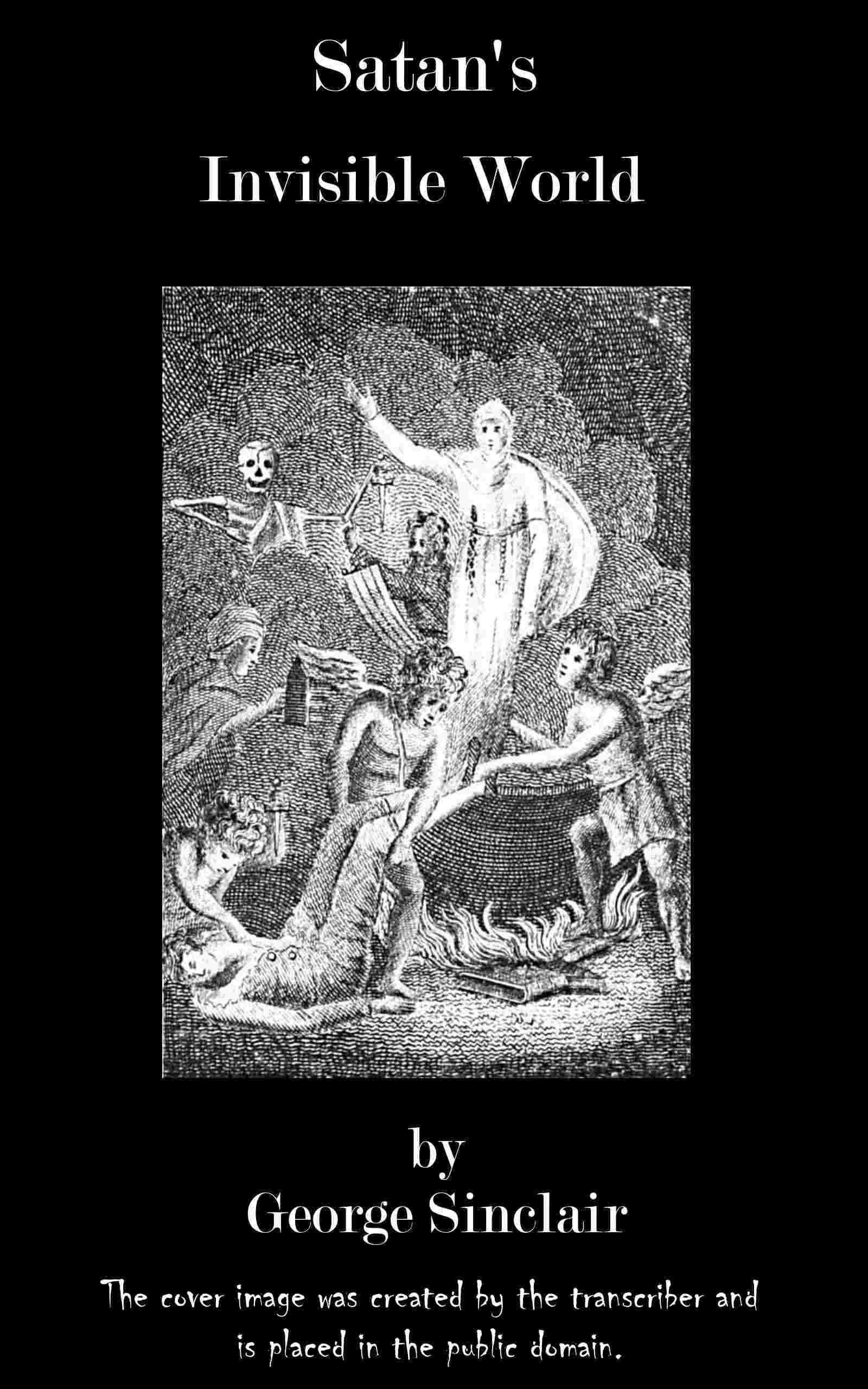
XXIX.—Touching an Apparition seen at Gladsmuir, with some other Gleanings.
I find among some of my notes, written in the year 1666, that Richard Chaplain and his father George, both of them merchants in Haddington, coming home late from Edinburgh upon a Saturday night, being the 4th of November 1666, and riding off the muir at a place called the Two-mile-cross, within two miles of their own home, saw four men in grey clothes, and blue bonnets, standing round about a dead corpse, lying swaddled in a winding sheet. Their dog was so feared, that he durst not go forward, but came running back among their horses feet. The one brother is yet living, a sober and christian man, who can attest this. If I have varied, it is only in some small circumstance, which doth not alter the thing itself. It is the more remarkable, because it was about twenty days before Rullian Green.
There was one Alice Duke, an English woman, that was taken anno 1664, and confessed before the judges, that after their meetings, all the witches make very low obeisance to the devil, who appeared in black clothes, and a little band. He bids them welcome at their coming, and brings them wine, beer, cakes, and meal, or the like. He sits at the higher end, and usually Anne Bishop sits next him; they eat, drink, dance, and have music. At their parting they used to say, “Merry met, merry part.” And that before they are carried to their meetings, their foreheads are anointed with greenish oil, that they have from the devil: They for the most part, are carried in the air. As they pass, they say, “Thout, tout, a tout, tout, throughout and about.” Passing back they say, “Rentum, tormentum,” and another word which she does not remember.
I read of an old gentleman, an excellent justice of the peace in England, who did always dispute against the immortality of the soul, and its distinction from the body, and of the existence of the spirits. No reason could convince him but palpable experience. He being a bold man, did venture very far, and fearing nothing, used all magical ceremonies he could to raise the devil, or a spirit, and had a most earnest desire to meet with one, but never could do it. But while his servant was one night drawing off his boots in the hall, some invisible hand gave him such a clap upon the back, that it made the hall ring again. He immediately went to the field, to try if any spirit had called him to converse with him; but found none. When neither rhyme nor reason could persuade him that there were spirits, says the gentleman that debated with him, “Well, well, do you remember the clap you received upon your back one night?” “Yes,” said he. “Assure yourself,” said the other, “that goblin will be the first that will welcome you into the other world.” Upon this his countenance changed most sensibly, and was more confounded with this than with all the philosophical or rational arguments that could have been brought against him.
There was one Julian Cox, an English woman, apprehended for witchcraft. The first that deponed against her was a huntsman, who swore, That he was going out with a pack of hounds to hunt a hare. Did start one not far from Julian Cox her house. The dogs hunted her very close, and the third ring haunted her in vie, till at last the huntsman perceiving the hare almost spent, and making towards a great bush, he ran on the other side of the bush to take her up, and preserve her from the dogs. But as soon as he laid hands on her, it proved to be Julian Cox, who had her hands grovelling on the ground, and her globs (as he exprest it) upward. He knowing her, was so frighted, that his hair in his head stood on end. She was out of breath, so that she could not speak. The dogs came up and smelt her, but did no more. The narrative, saith my author, hath the most authentic confirmation that human affairs are capable of, sense, and the sacredness of an oath.