
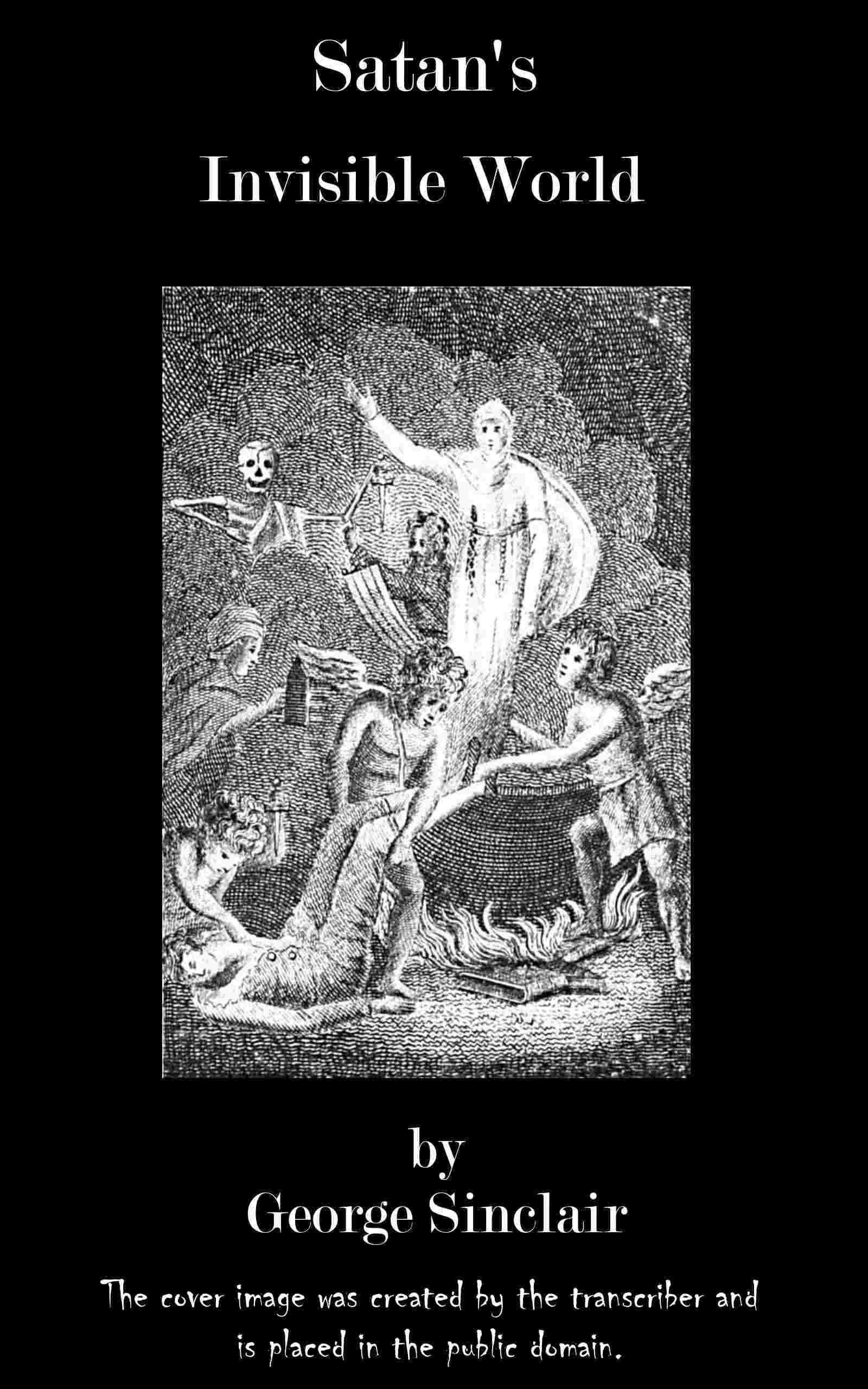
XXX.—Anent one Spalding in Dalkeith.
About the time that the Earl of Traquair was his late Majesty’s commissioner in Scotland, it happened at Dalkeith, where he resided, that one Spalding, a town’s man, killed his neighbour, one Sadler. The murderer fled, and absented himself for a year and more; yet sometimes came home in the night-time, finding that no man pursued him. After he had been wearied of this way of living, he resolved to cast himself on the commissioner’s mercy. He coming one day near to the town of Dalkeith in a coach, Spalding came in a most humble manner, and prostrate himself before him, and begged mercy. The commissioner inquired what the business was? The servants told him, he was such a man that had killed his neighbour a town’s man. Thereupon he appointed him to be conveyed to prison, where he lay for a year and more. At last an assize found him guilty, and appointed him to be hanged. When he heard his sentence, he cried out, “Oh! must I die like a dog! why was I not sentenced to lose my head?” After he came to the scaffold, and prayer was ended, he goes up the ladder, and the rope being put about his neck, he cries with a loud voice in the audience of all, “Lord (says he) let never this soul of mine depart from this body, till it be reconciled with thee.” And having said this, the executioner threw him off the ladder. When he had hung the ordinary time, sufficient to take away a man’s life, he was cut down, and his body put into a bier, and carried to the tolbooth to be woon. When they had opened the lid of the bier, the man bangs up upon his bottom, and his eyes staring in his head, and foaming at the mouth, he made a noise, and roared like a bull, striking about him with his fists, to the great consternation of all. The magistrates hearing of it, gave orders that he should be strangled better. The executioner fell to work, and putting the rope about his neck, stood upon his breast and strained his neck so hard, that it was no bigger about than his wrist. And he continuing after this manner for a sufficient time, was carried to the grave, and covered with earth. Notwithstanding of all this, he made such a rumbling and tumbling in it, that the very earth was raised, and the mules were so heaved up, that they could hardly keep them down. After this, his house at the east end of the town (as I am informed) was frequented with a ghost, which made it stand empty for a long time. Whether any have dwelt in it since, I know not. This I have from a very creditable person, who, being a scholar there at that time, was an eye and ear witness, who is yet alive.