
WeRead Powered by ReaderPub
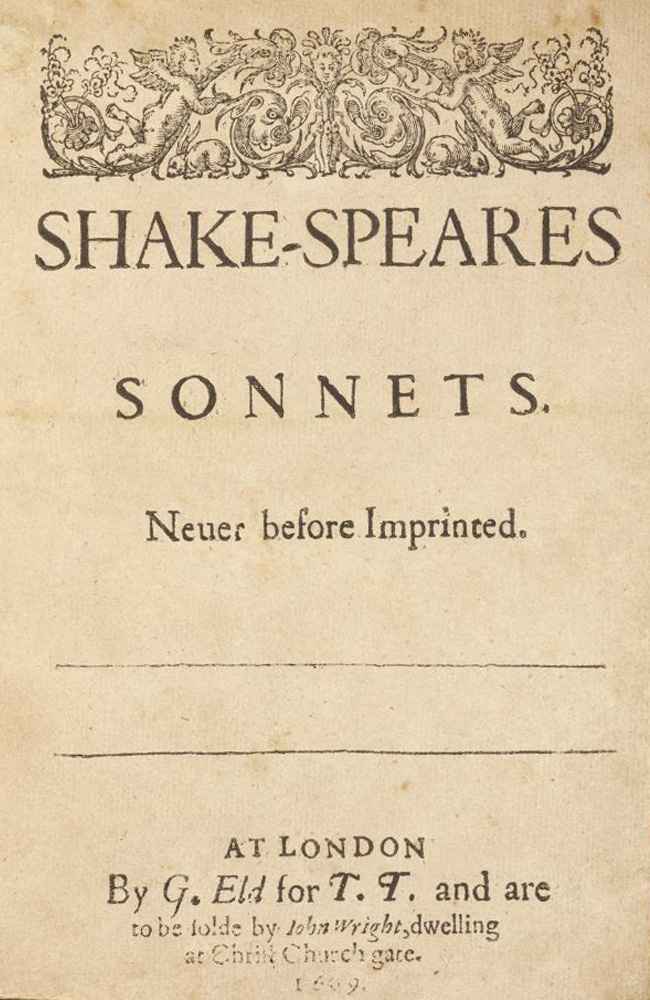
Shakespeare's Sonnets cover

Shakespeare's Sonnets

Chapter 104: CIII
Open in WeRead

About This Book

A sequence of lyric sonnets presents a speaker who examines love, beauty, time, and mortality through intimate, shifting addresses. Many poems urge a beloved to preserve beauty through progeny, while others meditate on aging and the ravages of time; a contrasting strand records erotic passion, jealousy, and betrayal. The pieces vary tone from pleading to defiance and experiment with sonnet form and rhetorical argument, often asserting poetry’s power to memorialize. Recurring images and contrapuntal voices probe desire, artistic rivalry, and the tension between physical love and spiritual admiration.

CIII

Alack! what poverty my Muse brings forth,
That having such a scope to show her pride,
The argument, all bare, is of more worth
Than when it hath my added praise beside!
O! blame me not, if I no more can write!
Look in your glass, and there appears a face
That over-goes my blunt invention quite,
Dulling my lines, and doing me disgrace.
Were it not sinful then, striving to mend,
To mar the subject that before was well?
For to no other pass my verses tend
Than of your graces and your gifts to tell;
    And more, much more, than in my verse can sit,
    Your own glass shows you when you look in it.