
WeRead Powered by ReaderPub
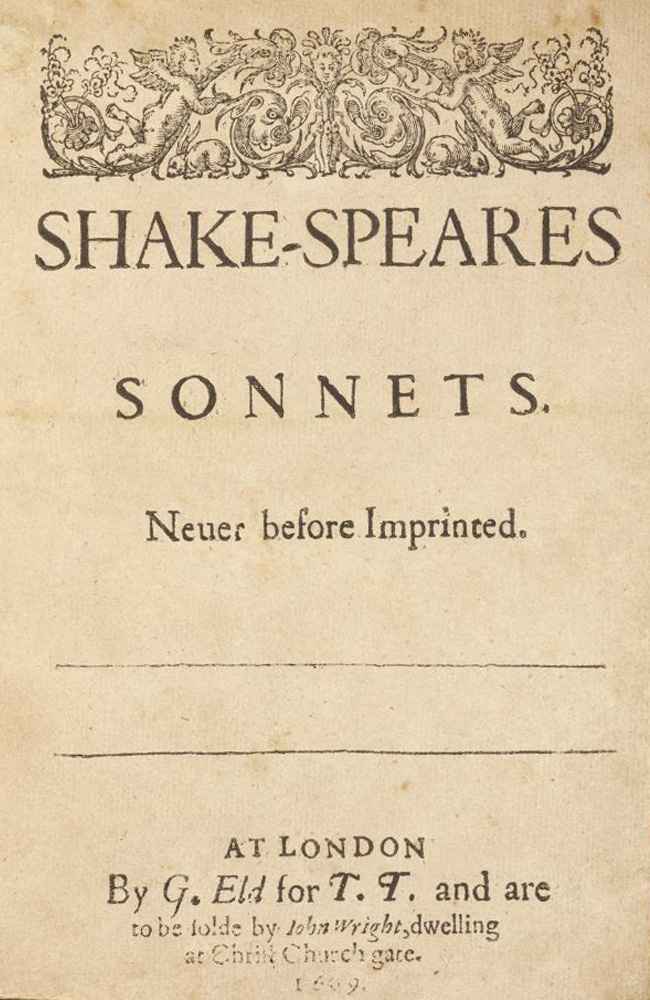
Shakespeare's Sonnets cover

Shakespeare's Sonnets

Chapter 114: CXIII
Open in WeRead

About This Book

A sequence of lyric sonnets presents a speaker who examines love, beauty, time, and mortality through intimate, shifting addresses. Many poems urge a beloved to preserve beauty through progeny, while others meditate on aging and the ravages of time; a contrasting strand records erotic passion, jealousy, and betrayal. The pieces vary tone from pleading to defiance and experiment with sonnet form and rhetorical argument, often asserting poetry’s power to memorialize. Recurring images and contrapuntal voices probe desire, artistic rivalry, and the tension between physical love and spiritual admiration.

CXIII

Since I left you, mine eye is in my mind;
And that which governs me to go about
Doth part his function and is partly blind,
Seems seeing, but effectually is out;
For it no form delivers to the heart
Of bird, of flower, or shape which it doth latch:
Of his quick objects hath the mind no part,
Nor his own vision holds what it doth catch;
For if it see the rud’st or gentlest sight,
The most sweet favour or deformed’st creature,
The mountain or the sea, the day or night:
The crow, or dove, it shapes them to your feature.
    Incapable of more, replete with you,
    My most true mind thus maketh mine untrue.