
WeRead Powered by ReaderPub
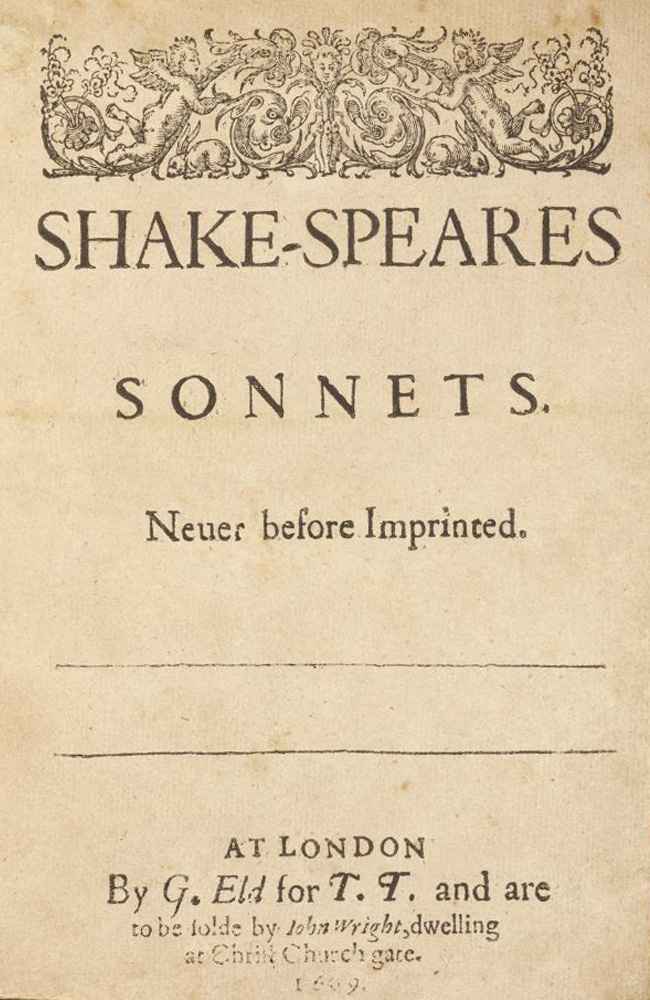
Shakespeare's Sonnets cover

Shakespeare's Sonnets

Chapter 126: CXXV
Open in WeRead

About This Book

A sequence of lyric sonnets presents a speaker who examines love, beauty, time, and mortality through intimate, shifting addresses. Many poems urge a beloved to preserve beauty through progeny, while others meditate on aging and the ravages of time; a contrasting strand records erotic passion, jealousy, and betrayal. The pieces vary tone from pleading to defiance and experiment with sonnet form and rhetorical argument, often asserting poetry’s power to memorialize. Recurring images and contrapuntal voices probe desire, artistic rivalry, and the tension between physical love and spiritual admiration.

CXXV

Were’t aught to me I bore the canopy,
With my extern the outward honouring,
Or laid great bases for eternity,
Which proves more short than waste or ruining?
Have I not seen dwellers on form and favour
Lose all and more by paying too much rent
For compound sweet; forgoing simple savour,
Pitiful thrivers, in their gazing spent?
No; let me be obsequious in thy heart,
And take thou my oblation, poor but free,
Which is not mix’d with seconds, knows no art,
But mutual render, only me for thee.
    Hence, thou suborned informer! a true soul
    When most impeach’d, stands least in thy control.