
WeRead Powered by ReaderPub
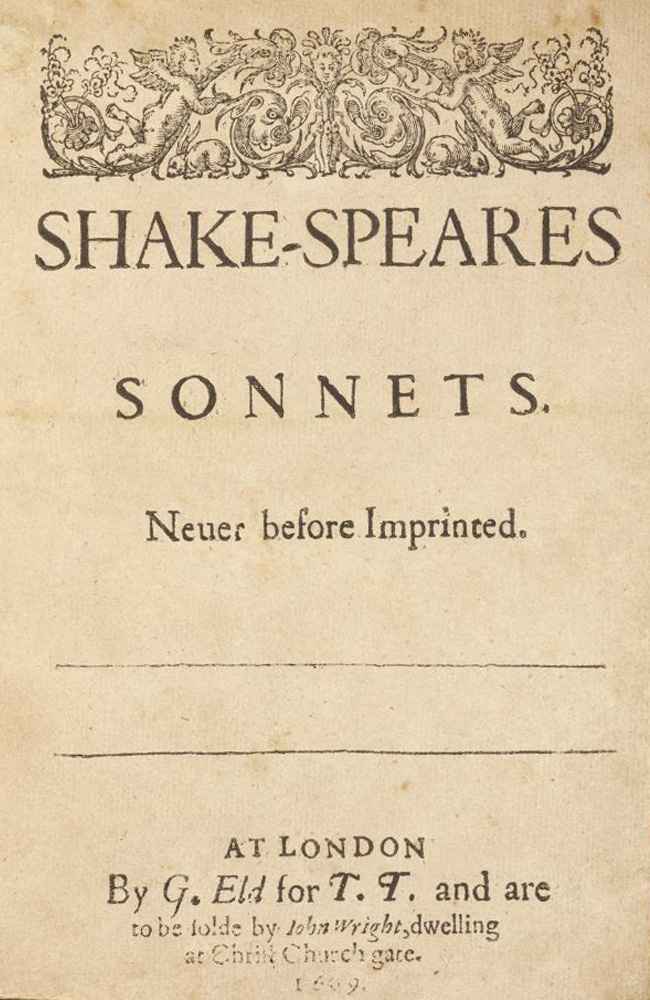
Shakespeare's Sonnets cover

Shakespeare's Sonnets

Chapter 128: CXXVII
Open in WeRead

About This Book

A sequence of lyric sonnets presents a speaker who examines love, beauty, time, and mortality through intimate, shifting addresses. Many poems urge a beloved to preserve beauty through progeny, while others meditate on aging and the ravages of time; a contrasting strand records erotic passion, jealousy, and betrayal. The pieces vary tone from pleading to defiance and experiment with sonnet form and rhetorical argument, often asserting poetry’s power to memorialize. Recurring images and contrapuntal voices probe desire, artistic rivalry, and the tension between physical love and spiritual admiration.

CXXVII

In the old age black was not counted fair,
Or if it were, it bore not beauty’s name;
But now is black beauty’s successive heir,
And beauty slander’d with a bastard shame:
For since each hand hath put on Nature’s power,
Fairing the foul with Art’s false borrowed face,
Sweet beauty hath no name, no holy bower,
But is profan’d, if not lives in disgrace.
Therefore my mistress’ eyes are raven black,
Her eyes so suited, and they mourners seem
At such who, not born fair, no beauty lack,
Sland’ring creation with a false esteem:
    Yet so they mourn becoming of their woe,
    That every tongue says beauty should look so.