
WeRead Powered by ReaderPub
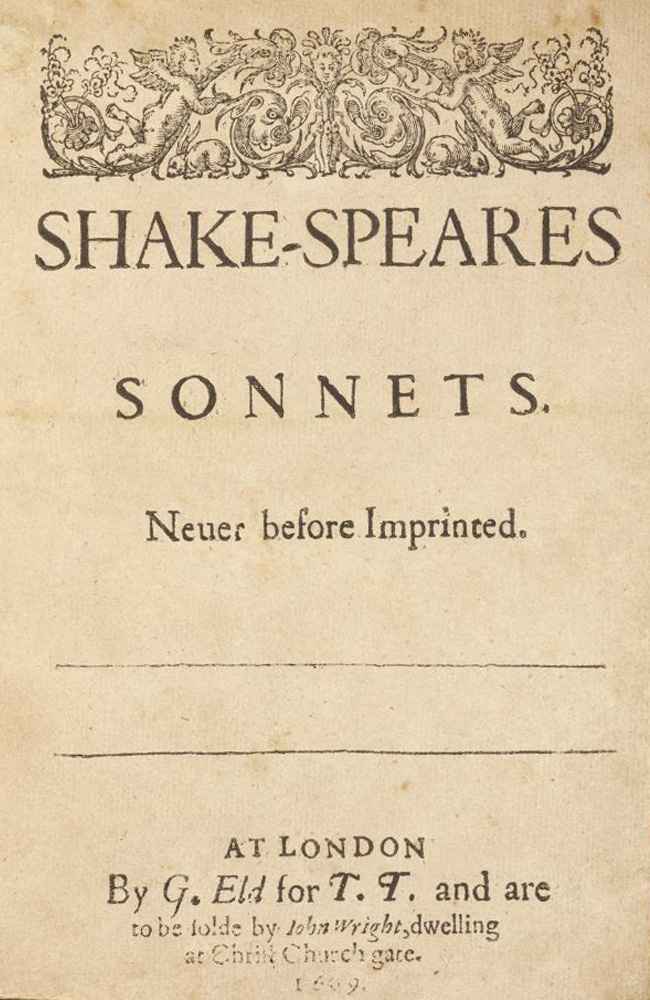
Shakespeare's Sonnets cover

Shakespeare's Sonnets

Chapter 139: CXXXVIII
Open in WeRead

About This Book

A sequence of lyric sonnets presents a speaker who examines love, beauty, time, and mortality through intimate, shifting addresses. Many poems urge a beloved to preserve beauty through progeny, while others meditate on aging and the ravages of time; a contrasting strand records erotic passion, jealousy, and betrayal. The pieces vary tone from pleading to defiance and experiment with sonnet form and rhetorical argument, often asserting poetry’s power to memorialize. Recurring images and contrapuntal voices probe desire, artistic rivalry, and the tension between physical love and spiritual admiration.

CXXXVIII

When my love swears that she is made of truth,
I do believe her though I know she lies,
That she might think me some untutor’d youth,
Unlearned in the world’s false subtleties.
Thus vainly thinking that she thinks me young,
Although she knows my days are past the best,
Simply I credit her false-speaking tongue:
On both sides thus is simple truth suppressed:
But wherefore says she not she is unjust?
And wherefore say not I that I am old?
O! love’s best habit is in seeming trust,
And age in love, loves not to have years told:
    Therefore I lie with her, and she with me,
    And in our faults by lies we flatter’d be.