
WeRead Powered by ReaderPub
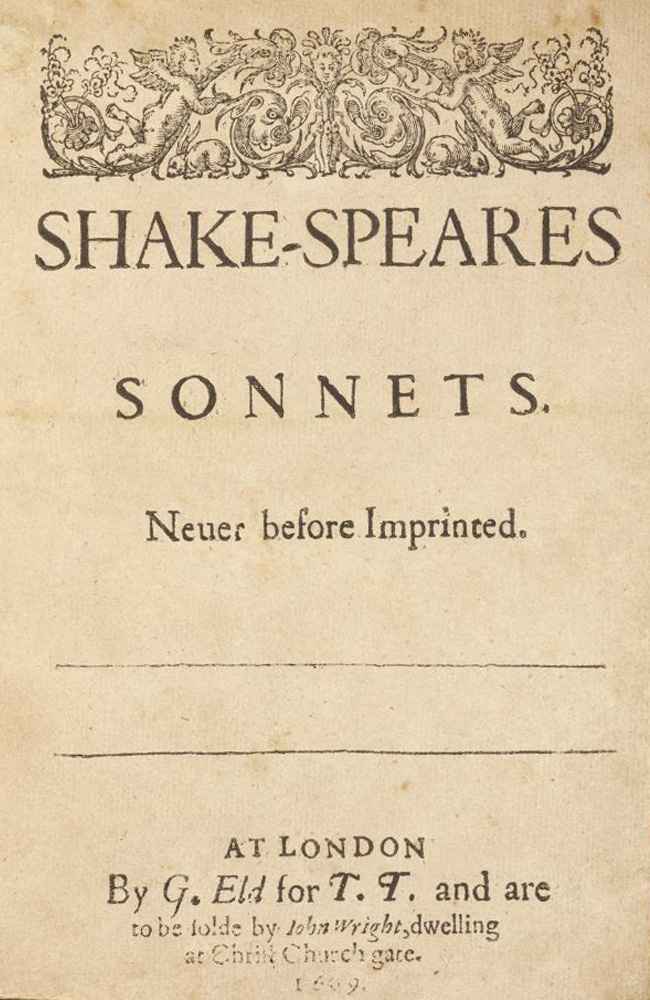
Shakespeare's Sonnets cover

Shakespeare's Sonnets

Chapter 149: CXLVIII
Open in WeRead

About This Book

A sequence of lyric sonnets presents a speaker who examines love, beauty, time, and mortality through intimate, shifting addresses. Many poems urge a beloved to preserve beauty through progeny, while others meditate on aging and the ravages of time; a contrasting strand records erotic passion, jealousy, and betrayal. The pieces vary tone from pleading to defiance and experiment with sonnet form and rhetorical argument, often asserting poetry’s power to memorialize. Recurring images and contrapuntal voices probe desire, artistic rivalry, and the tension between physical love and spiritual admiration.

CXLVIII

O me! what eyes hath Love put in my head,
Which have no correspondence with true sight;
Or, if they have, where is my judgement fled,
That censures falsely what they see aright?
If that be fair whereon my false eyes dote,
What means the world to say it is not so?
If it be not, then love doth well denote
Love’s eye is not so true as all men’s: no,
How can it? O! how can Love’s eye be true,
That is so vexed with watching and with tears?
No marvel then, though I mistake my view;
The sun itself sees not, till heaven clears.
    O cunning Love! with tears thou keep’st me blind,
    Lest eyes well-seeing thy foul faults should find.