
WeRead Powered by ReaderPub
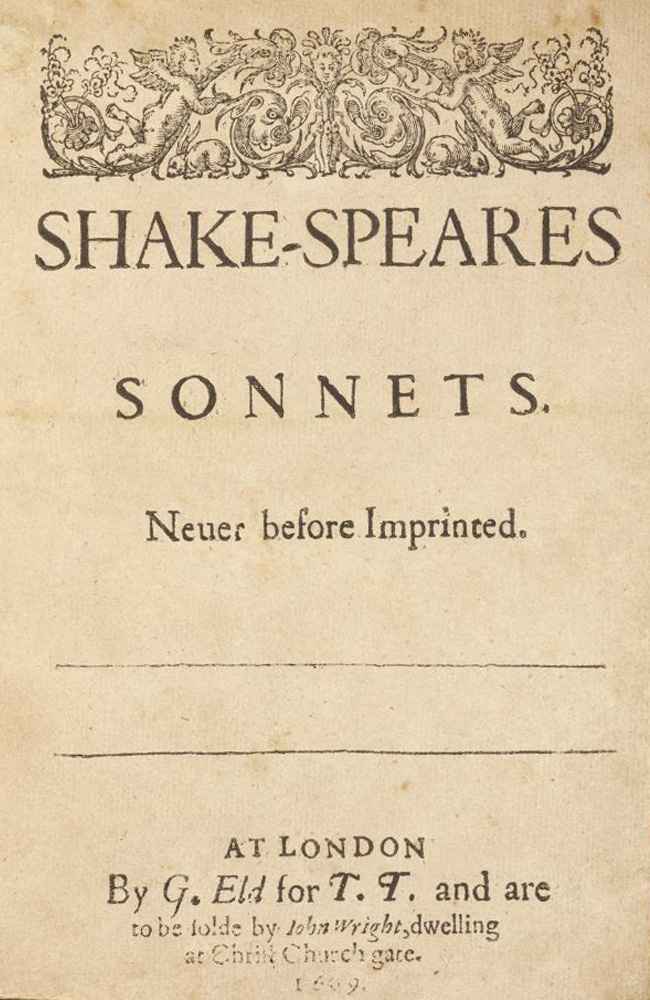
Shakespeare's Sonnets cover

Shakespeare's Sonnets

Chapter 150: CXLIX
Open in WeRead

About This Book

A sequence of lyric sonnets presents a speaker who examines love, beauty, time, and mortality through intimate, shifting addresses. Many poems urge a beloved to preserve beauty through progeny, while others meditate on aging and the ravages of time; a contrasting strand records erotic passion, jealousy, and betrayal. The pieces vary tone from pleading to defiance and experiment with sonnet form and rhetorical argument, often asserting poetry’s power to memorialize. Recurring images and contrapuntal voices probe desire, artistic rivalry, and the tension between physical love and spiritual admiration.

CXLIX

Canst thou, O cruel! say I love thee not,
When I against myself with thee partake?
Do I not think on thee, when I forgot
Am of my self, all tyrant, for thy sake?
Who hateth thee that I do call my friend,
On whom frown’st thou that I do fawn upon,
Nay, if thou lour’st on me, do I not spend
Revenge upon myself with present moan?
What merit do I in my self respect,
That is so proud thy service to despise,
When all my best doth worship thy defect,
Commanded by the motion of thine eyes?
    But, love, hate on, for now I know thy mind;
    Those that can see thou lov’st, and I am blind.