
WeRead Powered by ReaderPub
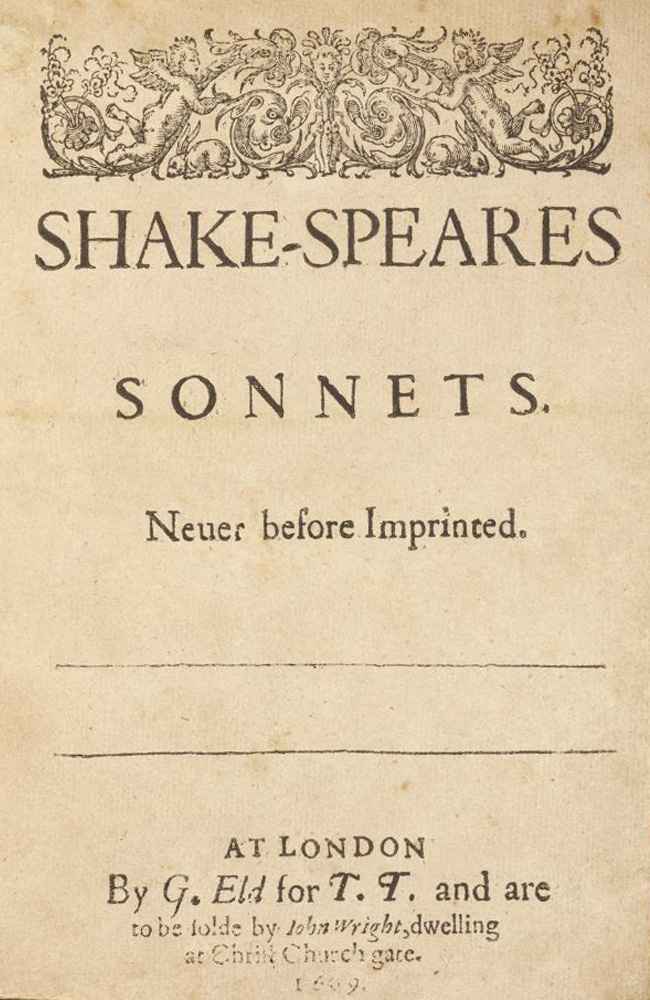
Shakespeare's Sonnets cover

Shakespeare's Sonnets

Chapter 18: XVII
Open in WeRead

About This Book

A sequence of lyric sonnets presents a speaker who examines love, beauty, time, and mortality through intimate, shifting addresses. Many poems urge a beloved to preserve beauty through progeny, while others meditate on aging and the ravages of time; a contrasting strand records erotic passion, jealousy, and betrayal. The pieces vary tone from pleading to defiance and experiment with sonnet form and rhetorical argument, often asserting poetry’s power to memorialize. Recurring images and contrapuntal voices probe desire, artistic rivalry, and the tension between physical love and spiritual admiration.

XVII

Who will believe my verse in time to come,
If it were fill’d with your most high deserts?
Though yet heaven knows it is but as a tomb
Which hides your life, and shows not half your parts.
If I could write the beauty of your eyes,
And in fresh numbers number all your graces,
The age to come would say ‘This poet lies;
Such heavenly touches ne’er touch’d earthly faces.’
So should my papers, yellow’d with their age,
Be scorn’d, like old men of less truth than tongue,
And your true rights be term’d a poet’s rage
And stretched metre of an antique song:
    But were some child of yours alive that time,
    You should live twice,—in it, and in my rhyme.