
WeRead Powered by ReaderPub
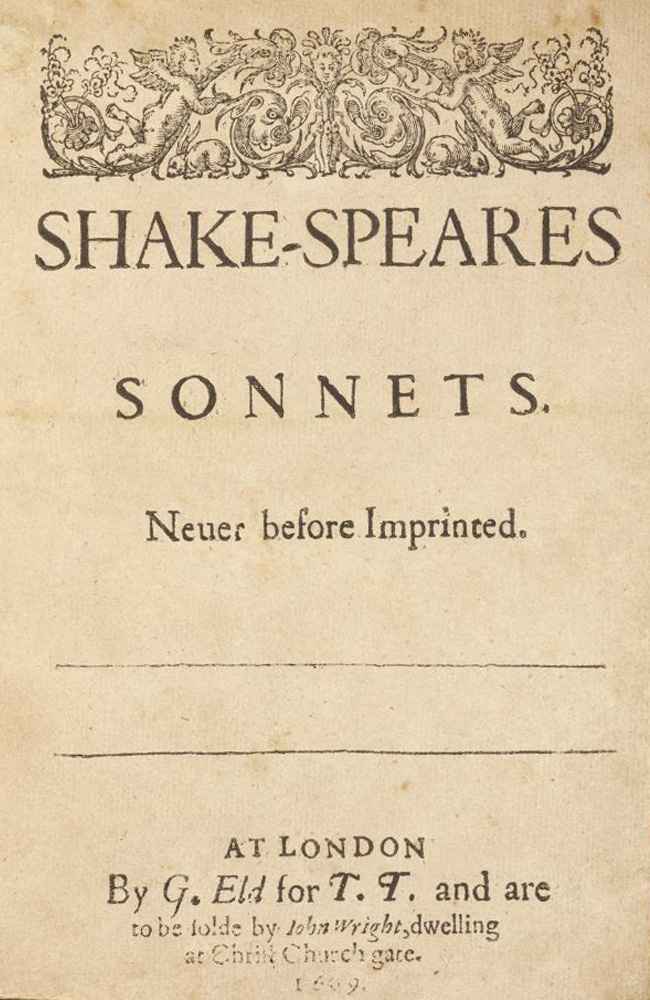
Shakespeare's Sonnets cover

Shakespeare's Sonnets

Chapter 39: XXXVIII
Open in WeRead

About This Book

A sequence of lyric sonnets presents a speaker who examines love, beauty, time, and mortality through intimate, shifting addresses. Many poems urge a beloved to preserve beauty through progeny, while others meditate on aging and the ravages of time; a contrasting strand records erotic passion, jealousy, and betrayal. The pieces vary tone from pleading to defiance and experiment with sonnet form and rhetorical argument, often asserting poetry’s power to memorialize. Recurring images and contrapuntal voices probe desire, artistic rivalry, and the tension between physical love and spiritual admiration.

XXXVIII

How can my Muse want subject to invent,
While thou dost breathe, that pour’st into my verse
Thine own sweet argument, too excellent
For every vulgar paper to rehearse?
O! give thyself the thanks, if aught in me
Worthy perusal stand against thy sight;
For who’s so dumb that cannot write to thee,
When thou thyself dost give invention light?
Be thou the tenth Muse, ten times more in worth
Than those old nine which rhymers invocate;
And he that calls on thee, let him bring forth
Eternal numbers to outlive long date.
    If my slight Muse do please these curious days,
    The pain be mine, but thine shall be the praise.