
WeRead Powered by ReaderPub
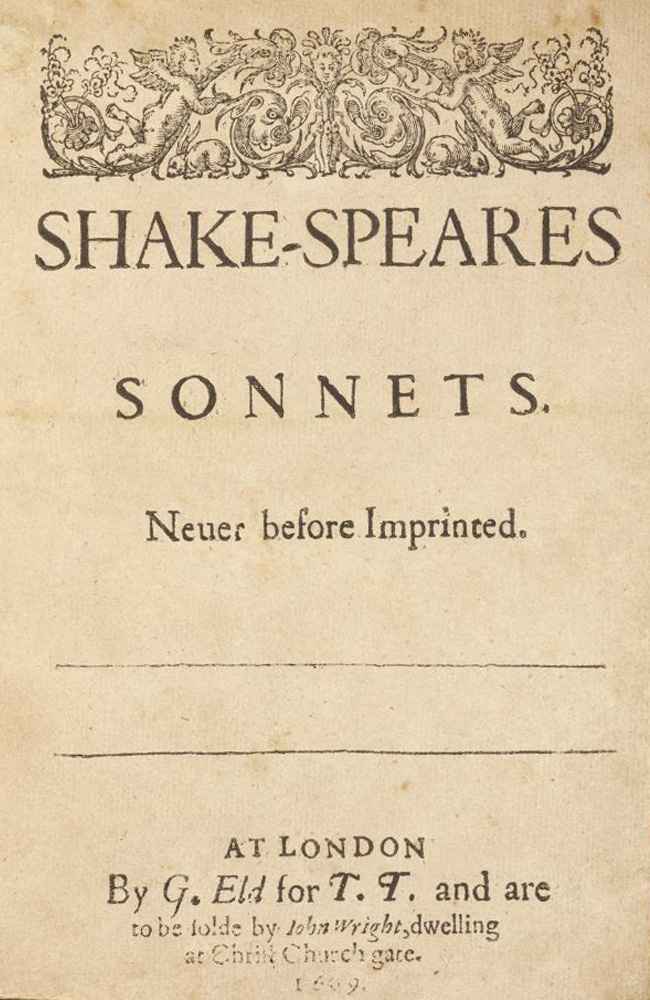
Shakespeare's Sonnets cover

Shakespeare's Sonnets

Chapter 43: XLII
Open in WeRead

About This Book

A sequence of lyric sonnets presents a speaker who examines love, beauty, time, and mortality through intimate, shifting addresses. Many poems urge a beloved to preserve beauty through progeny, while others meditate on aging and the ravages of time; a contrasting strand records erotic passion, jealousy, and betrayal. The pieces vary tone from pleading to defiance and experiment with sonnet form and rhetorical argument, often asserting poetry’s power to memorialize. Recurring images and contrapuntal voices probe desire, artistic rivalry, and the tension between physical love and spiritual admiration.

XLII

That thou hast her it is not all my grief,
And yet it may be said I loved her dearly;
That she hath thee is of my wailing chief,
A loss in love that touches me more nearly.
Loving offenders thus I will excuse ye:
Thou dost love her, because thou know’st I love her;
And for my sake even so doth she abuse me,
Suffering my friend for my sake to approve her.
If I lose thee, my loss is my love’s gain,
And losing her, my friend hath found that loss;
Both find each other, and I lose both twain,
And both for my sake lay on me this cross:
    But here’s the joy; my friend and I are one;
    Sweet flattery! then she loves but me alone.