
WeRead Powered by ReaderPub
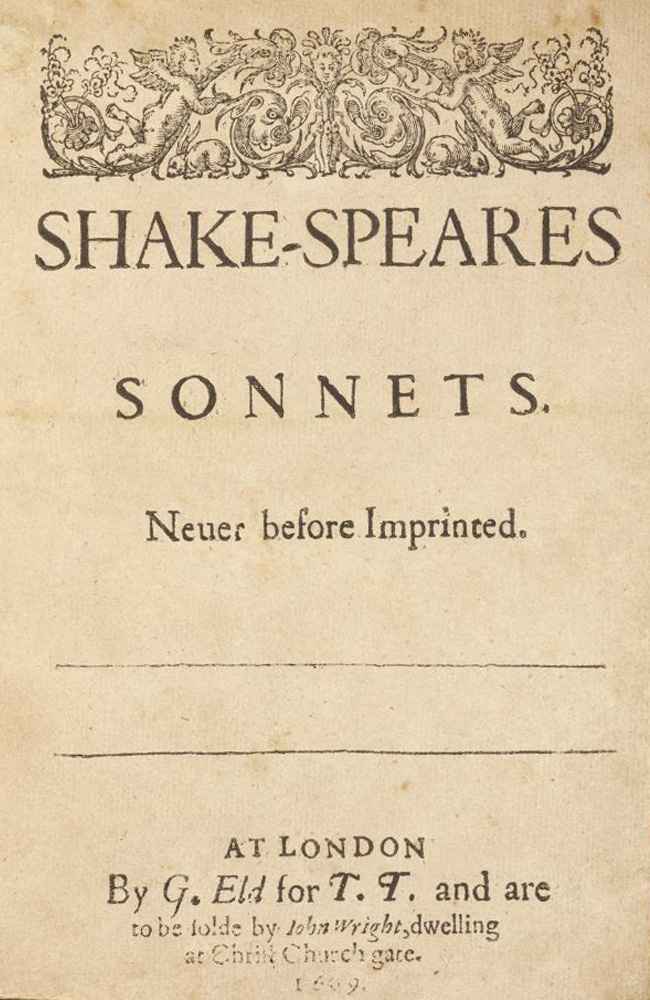
Shakespeare's Sonnets cover

Shakespeare's Sonnets

Chapter 7: VI
Open in WeRead

About This Book

A sequence of lyric sonnets presents a speaker who examines love, beauty, time, and mortality through intimate, shifting addresses. Many poems urge a beloved to preserve beauty through progeny, while others meditate on aging and the ravages of time; a contrasting strand records erotic passion, jealousy, and betrayal. The pieces vary tone from pleading to defiance and experiment with sonnet form and rhetorical argument, often asserting poetry’s power to memorialize. Recurring images and contrapuntal voices probe desire, artistic rivalry, and the tension between physical love and spiritual admiration.

VI

Then let not winter’s ragged hand deface,
In thee thy summer, ere thou be distill’d:
Make sweet some vial; treasure thou some place
With beauty’s treasure ere it be self-kill’d.
That use is not forbidden usury,
Which happies those that pay the willing loan;
That’s for thyself to breed another thee,
Or ten times happier, be it ten for one;
Ten times thyself were happier than thou art,
If ten of thine ten times refigur’d thee:
Then what could death do if thou shouldst depart,
Leaving thee living in posterity?
    Be not self-will’d, for thou art much too fair
    To be death’s conquest and make worms thine heir.