
WeRead Powered by ReaderPub
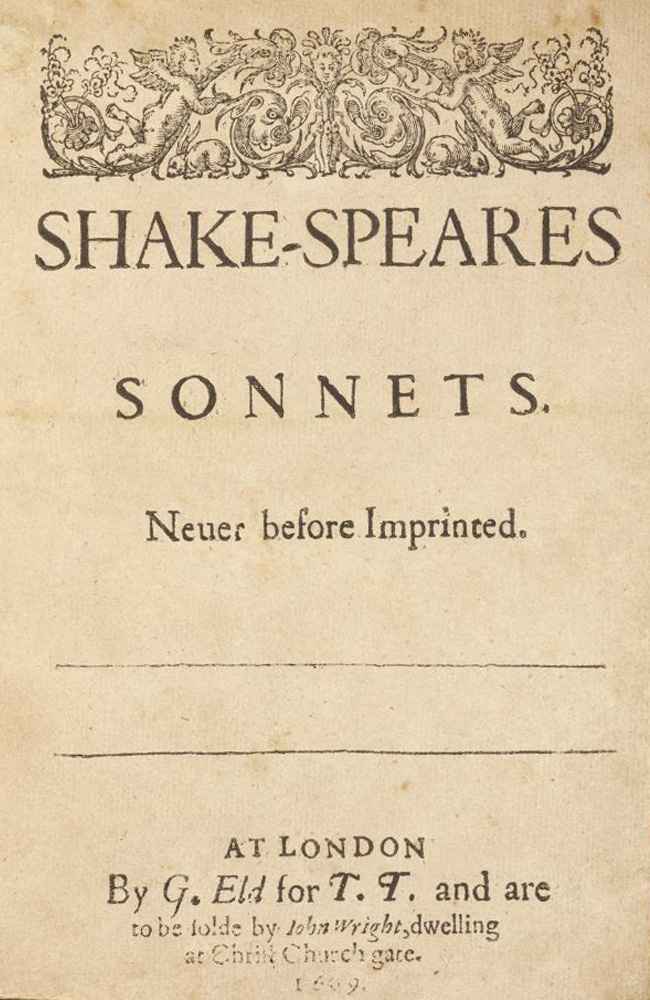
Shakespeare's Sonnets cover

Shakespeare's Sonnets

Chapter 71: LXX
Open in WeRead

About This Book

A sequence of lyric sonnets presents a speaker who examines love, beauty, time, and mortality through intimate, shifting addresses. Many poems urge a beloved to preserve beauty through progeny, while others meditate on aging and the ravages of time; a contrasting strand records erotic passion, jealousy, and betrayal. The pieces vary tone from pleading to defiance and experiment with sonnet form and rhetorical argument, often asserting poetry’s power to memorialize. Recurring images and contrapuntal voices probe desire, artistic rivalry, and the tension between physical love and spiritual admiration.

LXX

That thou art blam’d shall not be thy defect,
For slander’s mark was ever yet the fair;
The ornament of beauty is suspect,
A crow that flies in heaven’s sweetest air.
So thou be good, slander doth but approve
Thy worth the greater being woo’d of time;
For canker vice the sweetest buds doth love,
And thou present’st a pure unstained prime.
Thou hast passed by the ambush of young days
Either not assail’d, or victor being charg’d;
Yet this thy praise cannot be so thy praise,
To tie up envy, evermore enlarg’d,
    If some suspect of ill mask’d not thy show,
    Then thou alone kingdoms of hearts shouldst owe.