
WeRead Powered by ReaderPub
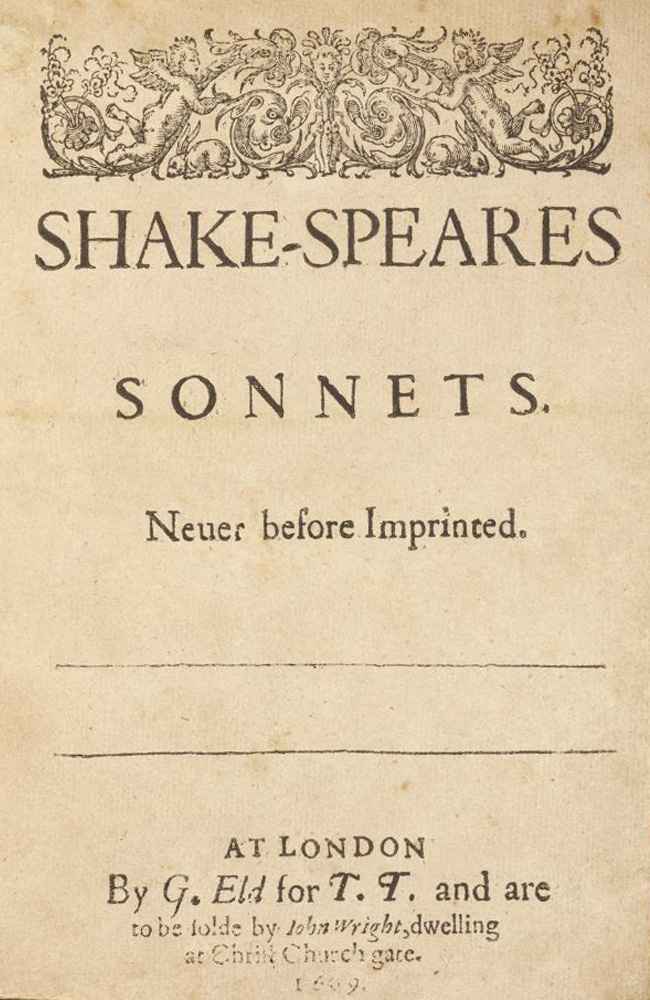
Shakespeare's Sonnets cover

Shakespeare's Sonnets

Chapter 72: LXXI
Open in WeRead

About This Book

A sequence of lyric sonnets presents a speaker who examines love, beauty, time, and mortality through intimate, shifting addresses. Many poems urge a beloved to preserve beauty through progeny, while others meditate on aging and the ravages of time; a contrasting strand records erotic passion, jealousy, and betrayal. The pieces vary tone from pleading to defiance and experiment with sonnet form and rhetorical argument, often asserting poetry’s power to memorialize. Recurring images and contrapuntal voices probe desire, artistic rivalry, and the tension between physical love and spiritual admiration.

LXXI

No longer mourn for me when I am dead
Than you shall hear the surly sullen bell
Give warning to the world that I am fled
From this vile world with vilest worms to dwell:
Nay, if you read this line, remember not
The hand that writ it, for I love you so,
That I in your sweet thoughts would be forgot,
If thinking on me then should make you woe.
O if, I say, you look upon this verse,
When I perhaps compounded am with clay,
Do not so much as my poor name rehearse;
But let your love even with my life decay;
    Lest the wise world should look into your moan,
    And mock you with me after I am gone.