
WeRead Powered by ReaderPub
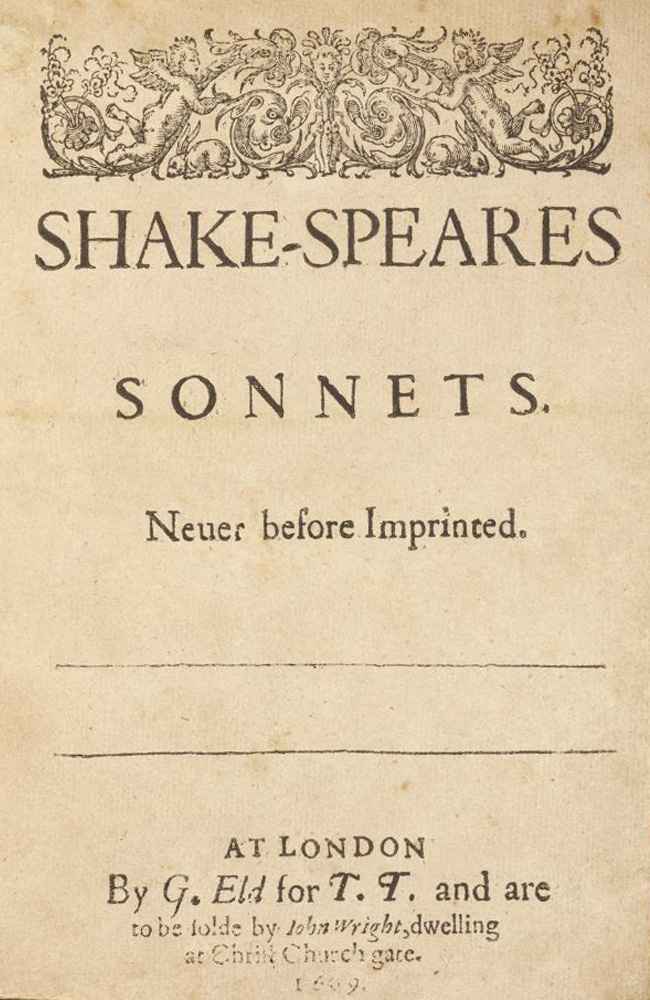
Shakespeare's Sonnets cover

Shakespeare's Sonnets

Chapter 83: LXXXII
Open in WeRead

About This Book

A sequence of lyric sonnets presents a speaker who examines love, beauty, time, and mortality through intimate, shifting addresses. Many poems urge a beloved to preserve beauty through progeny, while others meditate on aging and the ravages of time; a contrasting strand records erotic passion, jealousy, and betrayal. The pieces vary tone from pleading to defiance and experiment with sonnet form and rhetorical argument, often asserting poetry’s power to memorialize. Recurring images and contrapuntal voices probe desire, artistic rivalry, and the tension between physical love and spiritual admiration.

LXXXII

I grant thou wert not married to my Muse,
And therefore mayst without attaint o’erlook
The dedicated words which writers use
Of their fair subject, blessing every book.
Thou art as fair in knowledge as in hue,
Finding thy worth a limit past my praise;
And therefore art enforced to seek anew
Some fresher stamp of the time-bettering days.
And do so, love; yet when they have devis’d,
What strained touches rhetoric can lend,
Thou truly fair, wert truly sympathiz’d
In true plain words, by thy true-telling friend;
    And their gross painting might be better us’d
    Where cheeks need blood; in thee it is abus’d.