
TO MY MOTHER AND THE SOUTH
INTRODUCTION.
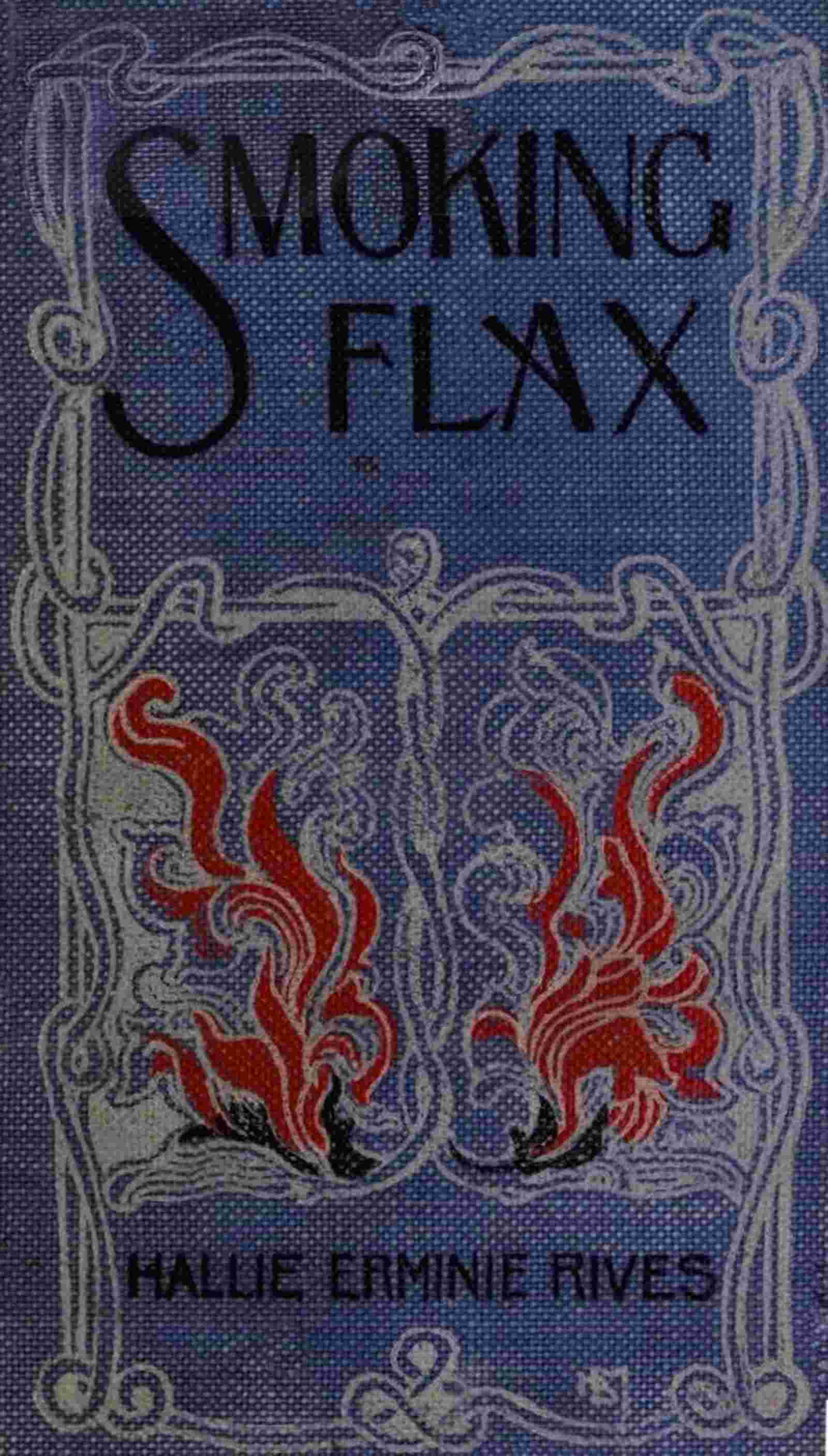
“Smoking Flax” is a story of the South written by a young Kentucky woman. Undoubtedly in the South its advent will be saluted with enthusiastic bravos. What will be the nature of its reception in the North it is hazardous to predict. One thing, however, can be confidently prophesied for it everywhere—consideration. This the subject and manner of its treatment assures.
The methods of Judge Lynch viewed from most standpoints are, without extenuation, evil; from a few aspects they may appear to be perhaps not wholly without justification. Miss Rives, through the medium of romance, presents the question as seen from many sides, and then leaves to the reader the responsibility of determining “what is truth,” though where her own sympathies lie she does not leave much in doubt.
The authoress comes of an old Virginia stock to whom the gift of narrative and literary expression seem to be a birthright. Since revolutionary days literature has been more or less enriched by contributions from successive members of the family—the well known contemporary novelist and the youthful author of this book sharing at the present time the responsibility of upholding the hereditary traditions. It seems, therefore, happily appropriate that Miss Rives should have taken upon herself the task of placing before the world southern views of the problem of lynching, which, be it understood, are far from unanimous. The subject is handled with admirable tact, the author steering clear alike from prudish affectations of modesty and shocking details of inartistic realism: and throughout is maintained a judicial impartiality infrequent in the treatment of such burning questions.
Miss Rives will achieve distinction in the South and at least notability elsewhere.
H. F. G.
Rochester, N. Y.
September 22nd, 97.